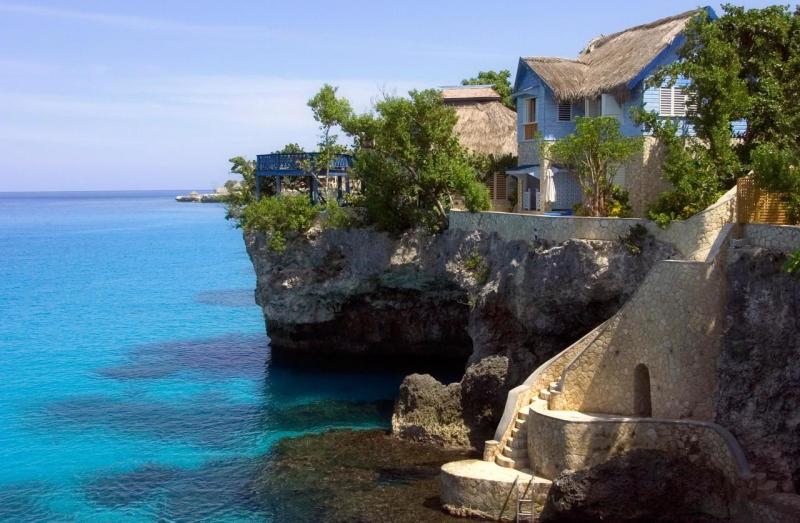
Where To Stay, Play, and Eat Gourmet In America’s Top City

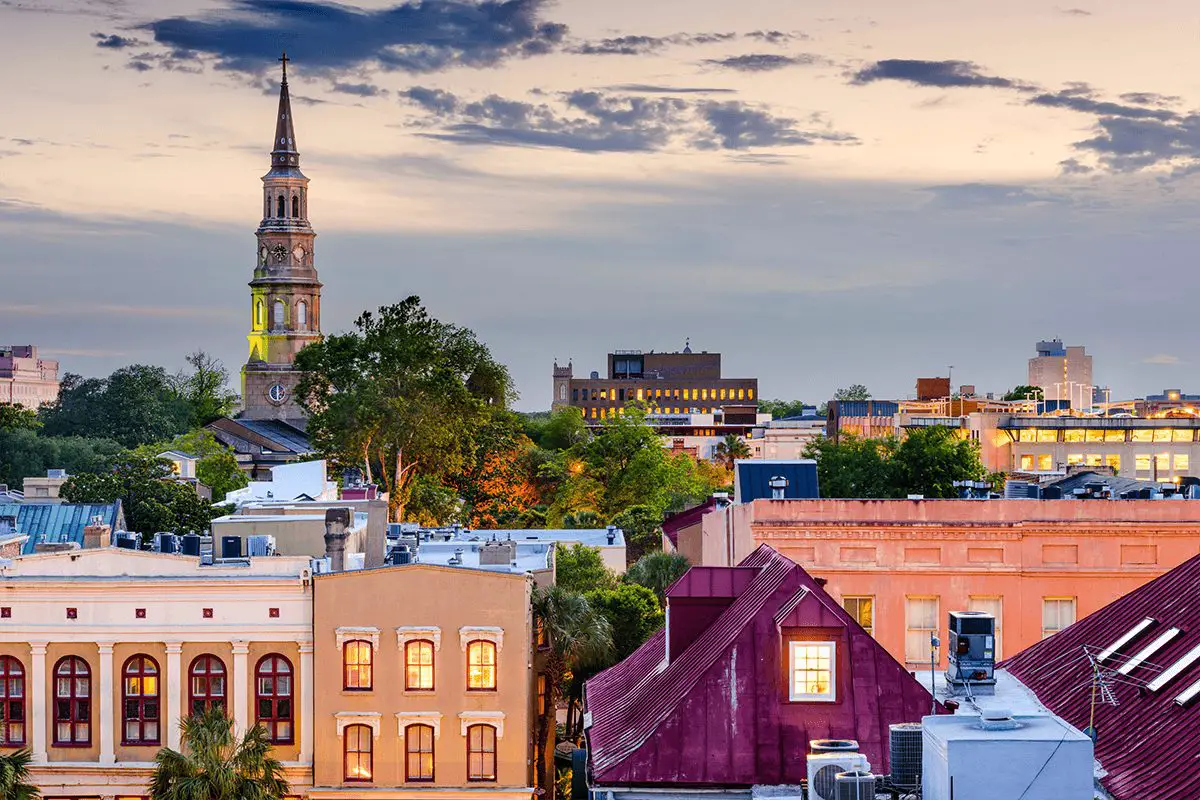
Move over, New York. Step aside, Chicago. Not you, Los Angeles. In the opinion of Travel + Leisure magazine, the top city in America for 6 years running does not have a major sports team, a thriving economy, or even a handful of famous people that call it home.

Continue reading

Where to Stay, Play and Eat Gourmet in LA’s Hip West Third Street Neighborhood

As a New Yorker, I think of Los Angeles as being very spread out. Then again, every city in America is spread out compared to Manhattan. For the most part, I actually like its spread, and even the driving sometimes, too—sans traffic. It’s no surprise, though, that I find myself craving the walkability of New York whenever I’m visiting its West Coast counterpart. Continue reading

How Topo Chico Went From Local Cult Favorite to Worldwide Phenomenon

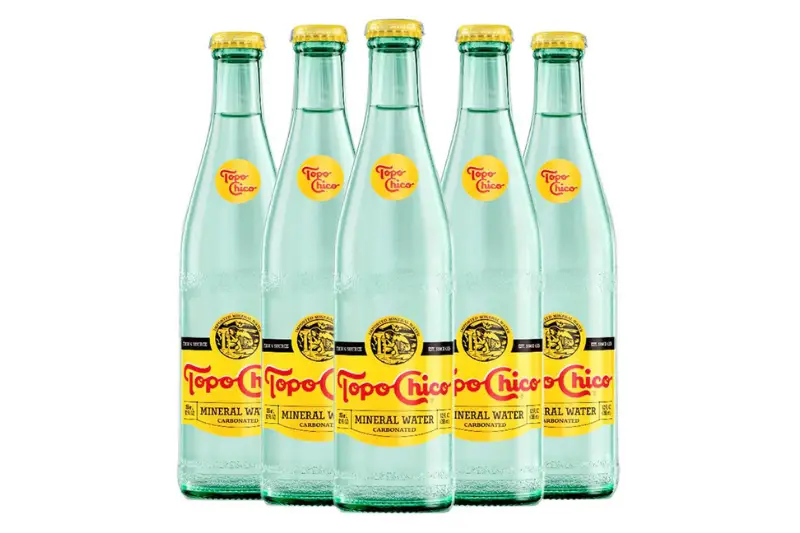
Founded in Monterey, Mexico in 1895, Topo Chico’s uber-bubbly mineral water is now an internationally recognized brand. The story of this seemingly innocuous sparkling water that was born in Mexico, raised in Texas and is now flourishing on multiple continents—thanks in part to its acquisition by Coca Cola in 2017—dates back over 125 years.

History of production and relationship with Coca-Cola

The history and relationship between Topo Chico and Coca-Cola can be traced back approximately 100 years, highlighting a long-standing association between the two companies. Interestingly, prior to Coca-Cola’s acquisition of Topo Chico, it was actually Topo Chico that obtained the licensing rights to bottle Coca-Cola in Mexico a century ago. This enduring partnership with Coca-Cola over the years made Coke’s decision to acquire Topo Chico a natural progression.

Founded in 1895, Topo Chico initially began its journey by sourcing and bottling water from a spring located near a small hill shaped like a mole, from which it derived its name. The word “Topo” means “mole” in Spanish, while “chico” translates to “small.” Remarkably, even after 127 years, Topo Chico still relies on the same pristine water source, the “Cerro del Topo Chico” spring, to provide the exceptional water quality that has become its hallmark.

The minerals matter

Topo Chico stands out from ordinary sparkling water, such as seltzer or club soda, due to its distinction as mineral water. It naturally contains essential minerals and electrolytes like Sodium, Calcium, Magnesium, Potassium, and Manganese. In contrast, popular sparkling water brands like “La Croix” only offer seltzer without any added minerals. What makes these minerals so remarkable?

Sodium plays a crucial role in regulating blood and bodily fluids, and its absence can significantly impair bodily functions. It also facilitates the transmission of electrical impulses in the body. Calcium, an important nutrient, serves as a vital component for bones and teeth. Magnesium aids in digestion, helps muscles recover, and promotes a sense of calm. Potassium acts as a fuel for the heart, supports kidney function, and aids in the proper functioning of the nervous system. Manganese acts as an antioxidant, benefiting bone health and boosting collagen production for healthier-looking skin.

While consuming Topo Chico on a daily basis may not single-handedly solve all your health issues, it certainly won’t harm you, and the additional mineral intake could yield some positive effects. Moreover, the electrolyte-rich nature of this water will aid in maintaining hydration, which is beneficial in itself.

It now comes in 3 flavors but you may like the original

In addition to their original unflavored version, TC also comes in three litely flavored mineral waters; Twist of Lime, Twist of Grapefruit and Twist of Tangerine—all zero calorie.


While Topo Chico’s flavored versions are quite popular, their original unflavored water tastes quite good too. The naturally occuring carbonation, while plenty effervescent, has a softer mouthfeel than other sparkling waters, as if the bubbles are smaller but greater in quantity, leading to a texture that is mellow and inviting. Also, despite the minerals, TC also has a very mild aftertaste, if any at all—something I would imagine most people want in a sparkling water. Less is more.

It all about the bubbles

When it comes to the aftertaste, less can be more, but when it comes to carbonation, more is definitely more. This is where Topo Chico truly shines—its secret weapon lies in its bubbles. Put simply, the naturally occurring carbonation in Topo Chico is both explosively effervescent and remarkably long-lasting, surpassing any other brand I’ve tried. It’s no wonder that it has gained a devoted following among consumers and bartenders alike, who seek a vibrant Vodka Soda or Tom Collins with a ferocious fizz that refuses to go flat.

Even if you leave an open bottle of Topo Chico out overnight, the next day it will taste as if you just cracked it open. Unlike some other mineral waters, which can contain high levels of sodium that may deter some individuals, Topo Chico boasts a relatively low sodium content, providing a refreshing and thirst-quenching sensation without overwhelming the palate.

What is Ranch Water?

When it comes to creating an authentic Ranch Water cocktail, Topo Chico is an absolute must. If you’re not yet familiar with Ranch Water, it’s a refreshing drink consisting of tequila, soda, and lime—a popular choice nowadays due to its low-calorie profile and reduced hangover potential. However, it’s important to note that a true Ranch Water can only be achieved by using Topo Chico. As the unofficial cocktail of Texas, which happens to be the unofficial home-away-from-home for Topo Chico, this beloved drink has played a significant role in the meteoric rise of Topo Chico’s popularity over the past decade. Texans, known for their deep affinity for Topo Chico, have undoubtedly contributed to its widespread acclaim.


Ranch Water Cocktail

Photo Courtesy: Valerie’s Kitchen


TC launches hard seltzer lineup (no surprise there)

In March of 2021, Topo Chico introduced a range of Hard Seltzers to the market, a move that hardly came as a surprise in today’s craze for hard seltzers. This lineup offered an array of enticing flavors, including Tangy Lemon Lime, Exotic Pineapple, Strawberry Guava, and Tropical Mango. Building on their success, almost a year later, Topo Chico unveiled a new collection of hard seltzers called “Margaritas,” featuring flavors inspired by the classic cocktail. These delightful options included Signature Margarita, Tropical Pineapple, Strawberry Hibiscus, and Prickly Pear, each capturing the essence of tropical indulgence with a dash of salt, lime, and tequila flavors.

During the same launch campaign, Topo Chico also unveiled their highly anticipated “Ranch Water” Hard Seltzer, drawing inspiration from the renowned cocktail recipe made famous by Texas bartenders. The Topo Chico Ranch Water Hard Seltzer was crafted with real lime juice, offering a truly refreshing and crisp taste that echoes the beloved original cocktail. This release further demonstrated Topo Chico’s commitment to innovation and their ability to capture the essence of popular flavors in a convenient and effervescent form.


Topo Chico Hard Seltzer Margarita Variety Pack


9 Green Luxury Hotels We Love

While a lot of the heavy lifting to help curb climate change and other environmental concerns requires governmental initiatives there are plenty of things individuals and the private sector can do to make a difference too. Continue reading

Where to Stay Play and Eat Gourmet in Puerto Rico

The island of Puerto Rico is the heart and soul of the Caribbean and is known for its gorgeous beaches, tropical sophistication, vibrant culture, and adventurous spirit. Check out our curated Top 5 Things to Do in Puerto Rico by renowned luxury travel expert Christopher Parr.

The beautiful Fairmont El San Juan is the perfect blend of tradition, culture, and sophistication since its opening in 1958. Located in Old San Juan, romantic cobblestone streets, vibrant restaurants, boutiques, and shops are just outside your door. Designed by Miami Beach architect Morris Lapidus, the hotel embodies the island heritage, along with modern luxury after a 65 million dollar remodel. With 266 guest rooms, the property can accommodate any type of room you may need, with 36 suites and 3 specialty suites, including the palatial Presidential Suite and 83 Banyan, Pool, and Ocean Villa Rooms.

Once you have arrived, you won’t ever want to leave with access to Award-winning Isla Verde Beach, where you can spend the afternoon jet skiing, kayaking, paddle boarding or just relaxing by one of four pools. When the sun sets, head to  Foxwoods El San Juan Casino for non-stop gaming, entertainment, and live music.


Wyndham Rio Mar

Located on Puerto Rico’s northern shore, the Wyndham Grand Rio Mar is situated on a two-mile stretch of white sand beach surrounded by the El Yunque Rainforest, sun, and surf. Find your perfect retreat in one of 400 guest rooms and suites, well-appointed with balcony views, plush bedding, a mini-fridge, and complimentary modern conveniences like free WiFi, water, and Puerto Rican coffee. Enjoy two championship golf courses & tennis center, a spa, a fitness center, 10 restaurants & bars, a casino, two nature reserves, and a guest experience program to explore all that nature has to offer.


The St. Regis Bahia Beach Resort, Puerto Rico

Built on a former coconut plantation and ties you directly to nature at the foot of El Yunque National Rainforest. Nestled on a former coconut plantation, the property offers sustainable activities like naturalist-guided bird-watching and kayaking tours to discover over 240 unique species of flora and fauna, including tropical birds and leatherback turtles.

TRY AUTHENTIC PUERTO RICAN CUISINE

With Spanish, African, Asian, and Caribbean influences, Puerto Rico has some vibrant cultural dishes. With a close influence on the sea, freshly caught seafood is a must-try. If you haven’t tried some of the local specialties, Purto Rico offers so much more than just fried plantains, spit-roasted pork, stuffed Mofongo, and rice & beans. If you want to explore Old San Juan like a local, try a food tour with https://thespoonexperience.com. Founded by a group of artists, event planners, and former executives with a passion for food, culture, and the island of Puerto Rico Island, this is the perfect chance to taste several dishes and two beverages, with stops to points of interest along the way.


EXPLORE ADVENTURE & NATURE

With over 1,200 beaches around the island and over 270 miles of coastline, there is a beach for everyone. Enjoy the rays on white sand beaches with crystal blue waters, or try snorkeling, surfing, or scuba diving.

If you are looking for adventure, try leaping off a waterfall in the rainforest, cave rappelling, zip-lining over the forest, or paddling through the glow-in-the-dark bioluminescent bay. In the spectacular El Yunque National Forest on the Sierra de Luquillo mountains, you can hike to waterfalls, take a Rainforest Foothills & Beach Tour, or even a Bio Bay Kayaking Adventure Tour.

If you are looking for a unique day trip, take a Catamaran Day Trip to Culebra with East Island Excursions. Travel by catamaran to snorkel at the reefs of the Island of Culebra, explore the marine life at the famous Flamenco beach, Cayo Luis Peña, and Culebrita Island.

 
ART & CULTURE
Explore the local art scene with theartwalkpr, an independent local cultural project designed to promote Puerto Rico’s art scene through curated art experiences, exhibition projects, and community art-based initiatives. The “rutas y experiencias” spans a range of experiences from group tours of the murals at “Calle Cerra”, casual cocktails at Santurce’s alternative art spaces, to sit-down dinners at an artist’s studio to artist community-based projects. theartwalkpr can also tailor-make experiences.
Explore Modern Art at the Museum of Contemporary Art
Founded in 1984, the Museo de Arte Contemporáneo de Puerto Rico (MAC) is the only institution on the island expressly dedicated to the study, collection, preservation, exhibition, and promotion of art produced since the mid-20th century in Puerto Rico, the Caribbean, and Latin America. Spread over two floors, this is one of Puerto Rico’s best collections of contemporary art by local artists and those from other Caribbean islands.
VISIT HISTORIC SITES
Old San Juan
Dating back to 1521, Old San Juan is one of the oldest cities in the United States. Stroll through cobblestone streets lined with brightly colored houses with buildings dating from the 16th century, including the San Felipe del Morro and San Cristóbal fortresses. The Bautista Cathedral houses the tomb of Spanish explorer Juan Ponce de León, and Old San Juan is home to cocktail bars and Caribbean fusion restaurants.
Old Forts
Old San Juan is home to several massive fortresses with historical importance, with the most famous being Castillo San Felipe del Morro (“El Morro”). Located on the coast, the fortress was an important military post during the First and Second Wolrd Wars. Don’t miss Castillo de San Cristóbal, one of the largest forts built in America, that took over 250 years to build.  Then, stop by the governor’s mansion, La Fortaleza, built between 1533 and 1540 and is the oldest executive mansion in continuous use in the New World.

The Resurgence of the Travel Agent

If there’s one thing we can collectively embrace in the COVID era, it is a bit of nostalgia. Sure, we are still trying to be mindful, and grateful, and present, but the past can be a comforting balm when living in the moment looks more like “Groundhog Day” than “Eat, Pray, Love.” Whether you have been staring dreamily at old vacation photos on your camera roll or grinning at the sight of Mark Hamill and R2D2 back on your TV screen, being reminded of the days of old (or, you know, any day prior to February 2019) has been energizing and damn near delightful. GLR doesn’t mind that you’re fondly reminiscing—we are, too!—but might we suggest a tip for marrying the comfort of the past with the prospects of a vaccinated future? If “Saved By the Bell” can get a reboot, so can an old travel industry standby. (Re)enter:  the travel agent.


We know what you’re thinking:  you have a plethora of online booking options at your fingertips, which are already almost permanently glued to your keyboard or phone at this point. Redirect that side eye and hear us out, though. Sure, widespread, global travel is not greenlit just yet and we understand if you are still too spooked to count the proverbial chickens of 2021. With the FDA’s approval and roll-out of vaccinations now on track, though, it just might be high time for wanderlusters to seek out a helping hand in a changed landscape.


“The role of the travel advisor has become more important now than ever, as people need help navigating all of the Covid details, including which counties are open for travel, entry requirements, testing sites, and more,” says Corey Cook, an agent for Elli Travel in Larchmont, NY and GLR’s resident travel advisor.


Jolie Goldring of the NYC-based agency In The Know Experiences (ITKE) has a similar take on the logistical benefits of using a travel advisor. However, the veteran advisor also points out the additional perks she can get her clients, noting amenities such as resort credits, daily complimentary breakfast, small personal touches and often confirmed upgrades—not to mention the general hand-holding that her clients have become accustomed to receiving.


“Whether it be leveraging our relationships to help with more flexible deposit and cancel policies, deciphering airline cancel and refund policies, or guiding clients about testing and quarantining policies that may be required, we are offering an invaluable service and peace-of-mind,” says Goldring.


Cook also sees the role of travel agent as similar to other sought after experts that the average person seeks out on a regular basis, such as a financial adviser or interior designer. Due to all the travel sites that have spawned across the web for years, many think that planning a trip is no longer something they need to outsource. According to Cook, though, she has recently seen her job become en vogue again, and hey, we get it. After all, why scour the internet for the best flight deal or agonize over conflicting hotel reviews when you could instead enlist the help of an individual who has made a career of knowing these things?


“The web has become oversaturated with travel information, and it’s simply overwhelming for many people. Which hotel should I book? What are the better activities/tours to do? There’s a million options,” Cook opines. “That’s where travel advisors come into play. We cut through all of that confusion to properly guide our clients and help with the bookings.”


Furthermore, studies in recent years have shown that the use of travel agents, even pre-Covid, was still more prevalent than the average I-can-do-it-myself hodophile might have guessed . The 2018 Global Passenger Survey completed by the International Air Transport Association, which garnered 10,408 responses from 145 countries, found that about 43 percent of passengers preferred to use a travel agency, travel management company or corporate travel department to book flights. Another particular standout from that 2018 survey that rings particularly relevant was a finding from the responses that passengers wanted “a human touch when things go wrong.”


Ahem. Case closed, are we right?


See our full report on The State of Travel: 2021


Beyond Pebble Beach

If you’re heading to the Monterey Peninsula to play golf (or watch the pros play), why not stick around after it’s over? Monterey County has a plethora of pleasures to offer from world-renowned golf courses to interesting restaurants to craggy terrain. Continue reading

5 Great Juicers

Juicing — the process of extracting the juice from fresh fruits or vegetables — is popular because it can increase the variety of nutrient-rich foods in your diet so you can take advantage of all of fruits and vegetables’ healthy benefits.

There are three styles of juicers: slow, centrifugal, and citrus. Slow juicers and centrifugal juicers are usually best for fruits and vegetables, while citrus juicers are dedicated for simply squeezing citrus, like oranges, lemons, limes, and grapefruit.

No matter what kind of juicer you’re looking for, there are many on the market today. But we’ve narrowed them down to our top 5 favorite juicers. Here they are in ascending order:


Hurom’s H101 Easy Clean Slow Juicer ($499)

The H101 is on our top juicers list because it really was designed with cleaning in mind. It has grooved strainers and a tiled juicing chamber that pours out more — and leaves less mess inside — so you can really enjoy all the benefits of juicing without the messy cleanup. There’s also a pulp outlet, aka trap door, that opens 180 degrees so you can easily flush out any remaining pulp inside the chamber. This slow juicer mimics the motion of fruit squeezing by hand, rotating at a speed of just 43 revolutions per minute, which produces delicious fresh juices in their most natural state. Hate pulp? Love it? This one has a function to control the amount of pulp to suit your own taste preferences. And we should also mention this top juicer also can juice nuts and soybeans into a variety of smoothies and nut milks.


Novis Vita Juicer ($500)

We love the bright, sleek and shiny exterior design of this juicer, and it comes in seven colors! This top juicer is amazing because it truly has the benefit of all three juicing options, including its own attachment for citrus. It’s simple to use, with just one button to operate everything. And an AutoSpeed function auto-senses the best speed for each food, adjusting the speed of the press and centrifuge according to your chosen fruit or vegetable. There’s a large tube, so you won’t need to cut all of the fruits and vegetables, and every part of the juicer can be easily cleaned in the dishwasher.


The Smeg Citrus Juicer ($180)

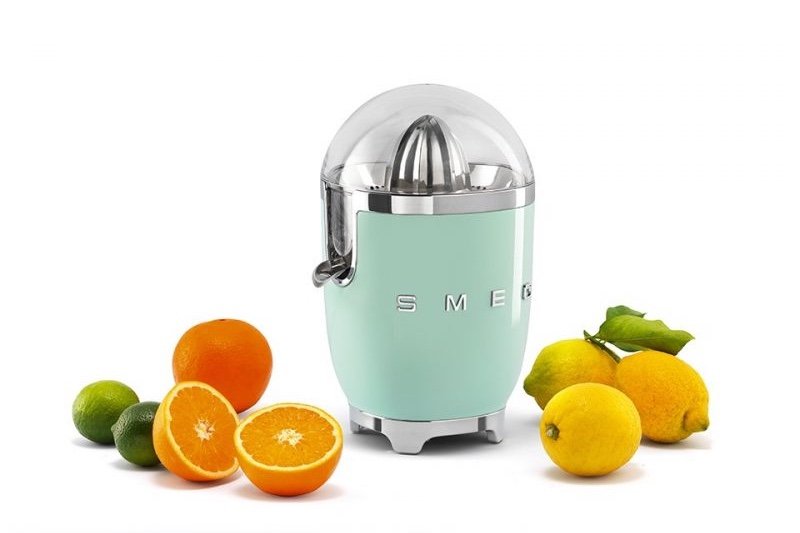
As the name implies, this one is specifically for citrus, and therefore best for oranges, lemons, and limes. It is the top juicer that has our favorite look, sophisticated and retro, and a design that comes in a few cool colors. Its superior performance pairs with reliability, showing off a powerful 70W motor with an integrated on-off sensor. And using it is simple thanks to a non-drip spout which prevents spillage, keeping kitchen surfaces clean.


Kuvings Whole Slow Juicer ($600)

Kevin’s Whole Slow Juicer stands out for its versatility. It does an efficient job of juicing greens, veggies, and fruits alike. Its 3.2” wide-mouthed two-way feed tube reduces prep time and allows you to insert different types of ingredients without jamming. It has patented low speed extraction technology that prevents nutritional loss and minimizes oxidation. Multiple strainers, including a sorbet and a smoothie strainer attachment, allow for even more food options. And it even has a handle so you can carry it with you.


Breville Juice Fountain SL Cold Plus ($350)

The Breville Juice Fountain is SL Cold Plus Pursuitist’s overall favorite juicer for its power, ease of operation and clean-up. Its super sized 70 fl.oz. jug seals and stores so you can make large batches, and the 3.5” wide chute shortens prep time — seriously, you can put a whole apple in, core and all, and it juices. The “cold” its name refers to Breville’s “Cold Spin Technology” that reduces the amount of heat transferred while juicing. Set-up couldn’t be simpler, your juice will be pulp-free and delicious, and clean-up is a breeze. What could be better than that?!


This article was originally published on Pursuitist. Republished by permission.

Yucatan Three Ways

As we dip our toes back into travel after a year of social distancing, it may feel hard to decide where to go and what to do first. Does a beach vacation sound most appealing or would you prefer an urban getaway focused on shopping, dining, and culture? Perhaps an escape to the country and days of waking to birdsong, dining on farm fresh meals, and exploring small towns is the trip you are dreaming of.


Mexico’s Yucatan Peninsula makes the process of picking a destination easier, as you can choose from all three of these holiday options in one place. It also offers the convenience of flying into and out of Cancun, with flights from more than a dozen American hubs. After you land, you just have to decide whether to drive south, to the beaches along the Riviera Maya; west, to the lively and charming capital of the state of Yucatan, Mérida; or into the countryside, for a stay at a sprawling hacienda reborn as a luxury hotel.


Escape to the Seashore

With its dramatic Maya ruins sitting atop a bluff overlooking the Caribbean and its small resorts strung along the sea, it’s not surprising that Tulum has become a favorite of those travelers looking for beach time in the winter but who aren’t interested in the mega-resorts of Cancun.


God of Winds Temple, Tulum, Mexico (Shutterstock)


The plus of Tulum’s emergence as a destination has been the opening of new hotels and restaurants that have transformed what was once a sleepy backpacker destination into a decidedly stylish one.


Getting There: From Cancun it’s a straight shot south on a well-maintained highway. If you are driving, expect the journey to take between 90 minutes to two hours. There are also buses and shuttles, though renting a vehicle will give you the freedom to explore some nearby sites like the Sian Ka’an Biosphere and the Maya ruins at Coba, a much larger complex than the one in Tulum.


Where to Stay: Olas Tulum is a small B&B that has a very Tulum-like boho-chic atmosphere and attitude. A plus is that it is to the south of most of Tulum’s hotels—you can enjoy the quiet of the location for naps on the sand in the afternoon but when cocktail hour comes around it’s a short walk to Tulum’s other bars and restaurants.


Don’t Miss: Make sure to have at least one meal at Hartwood Tulum which helped lead Tulum’s transition from modest beach town to jet-setter destination. Chefs and owners Eric Werner and Mya Henry opened the restaurant in 2010 and it has made its way on to many “best-restaurant” lists thanks to dishes featuring farm-fresh produce from the Yucatan and seafood straight from the Caribbean in simple preparations that let the ingredients shine.


Country Living

Much of the Yucatan peninsula is dotted with haciendas that used to produce henequen (a fiber that is, in English, more commonly called sisal, after the port of Sisal where much of it was exported from). Sisal was essential to rope-making and huge fortunes were made growing the crop. The Mexican Revolution and, more importantly, the invention of nylon led to the bust of that boom though today many haciendas are enjoying second lives having been reborn as luxury hotels where you can spend days lounging by pools or visiting off-the-beaten path villages, convents, and Maya sites. You’ll fall asleep each night to the captivating sounds of the jungle wildlife at night.

Getting there: There are haciendas throughout the peninsula, though there tend to be more of them in the states of Yucatan and Campeche (on the northern and western sides of the peninsula—Quintana Roo, where Cancun is located, runs along its eastern side). You’ll want to rent a car if you intend to spend your days exploring the backroads, but most haciendas will happily arrange for transfers to their properties if you intend to spend your days relaxing on the grounds.

Chablé, Yucatan


Chablé Yucatan

Where to Stay: Chablé Yucatan is the most luxurious of the reborn haciendas, though most accommodations there are in newly built free-standing casitas while the historic buildings house common areas, lounges, and restaurants. Hacienda Petac is an appealing smaller hacienda that is rented exclusively to one group at a time and can accommodate up to 14 guests. Marriott’s Luxury Collection includes five beautifully restored haciendas.


Don’t Miss: The Maya sites of Chichen Itza and Coba are world-famous, and the crowds at them are evidence of that. An advantage of a stay at a hacienda, however, is that it’s easier to visit some of the less-popular Maya sites. Uxmal, which is just over an hour south of Mérida, is one of the most magical of them. It is built in the so-called Puuc style which is known for being more decorative than other Maya styles with intricate carved geometric patterns and designs.


Uxmal Pyramid


A City Escape

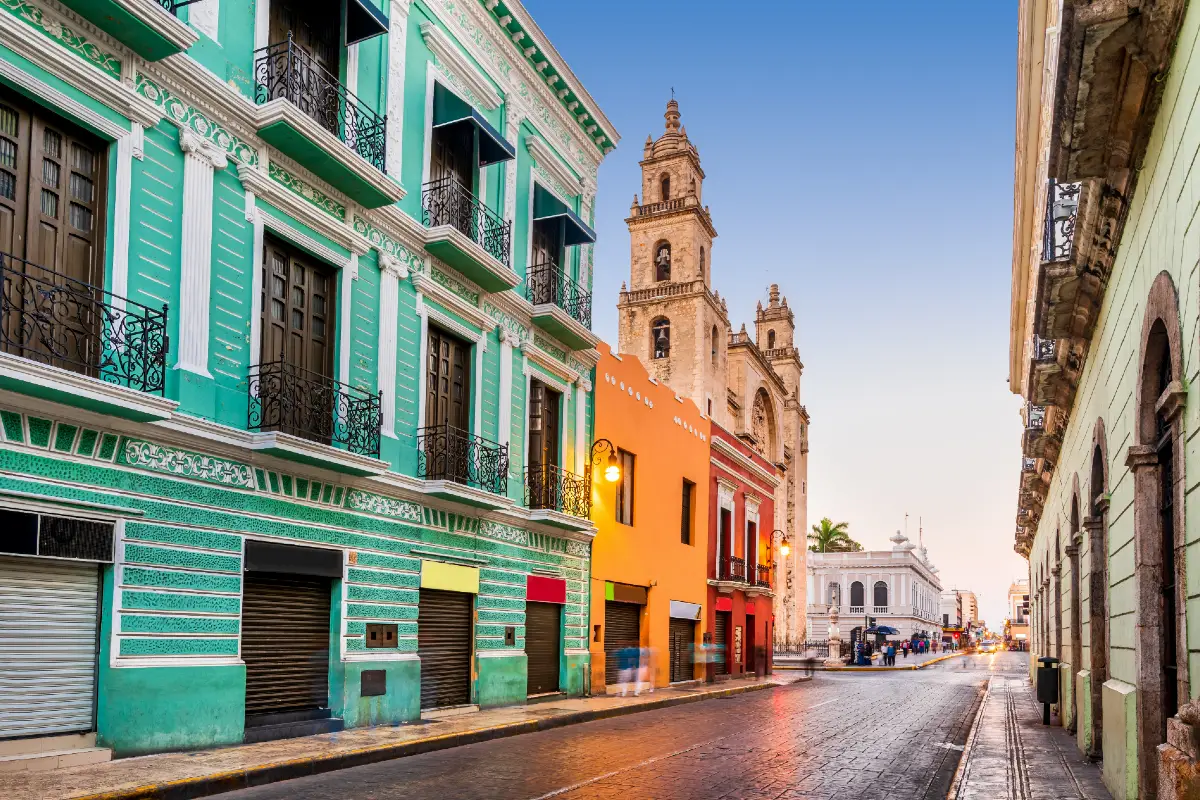
Mérida, the capital of the state of Yucatan (and the largest city on the Yucatan peninsula) has emerged in recent years as one of the most exciting cities in Mexico. It has long been known for its laidback pace and impressive collection of historic buildings spanning the 16th to 19th centuries (within Mexico, only Mexico City has a larger historic district). Now the city can also boast about its lively dining and shopping scene, supported by both a growing expat community and travelers who have discovered Mérida’s appeals.


Getting There: Mérida is roughly 3.5 hours from Cancun on a toll road. The colonial town of Valladolid and the Maya ruins at Chichen Itza are appealing stops en route. (It is also possible to fly to Mérida directly.)

Guilermina Restaurant, Merida

Where to Stay: Mérida has an abundance of rental properties in historic homes that have been lovingly restored and you will want to check out the options on AirBnB and VRBO. If you prefer a hotel, the recently opened Wayam has a cool, contemporary style and also one of Mérida’s best new restaurants, Cuna, which serves delicious updated takes on Yucatecan cooking.

Cuna Restaurant at Wayam (Photo: Orbitz)

Don’t Miss: Mérida is not only a state capital but a culinary one too. It’s a place to sample both street food like the simple tacos served at stands at the Santiago Market (a small neighborhood market that is less intimidating than the central one) to the innovative Mexican cuisine of Picheta which overlooks Mérida’s cathedral and central square.

—John Newton, Founder, Signal Custom Content. (John previously worked as an editor at AFAR, Condé Nast Traveler, and Travel+Leisure and has written travel stories for many other publications and websites.)

Dining Departures

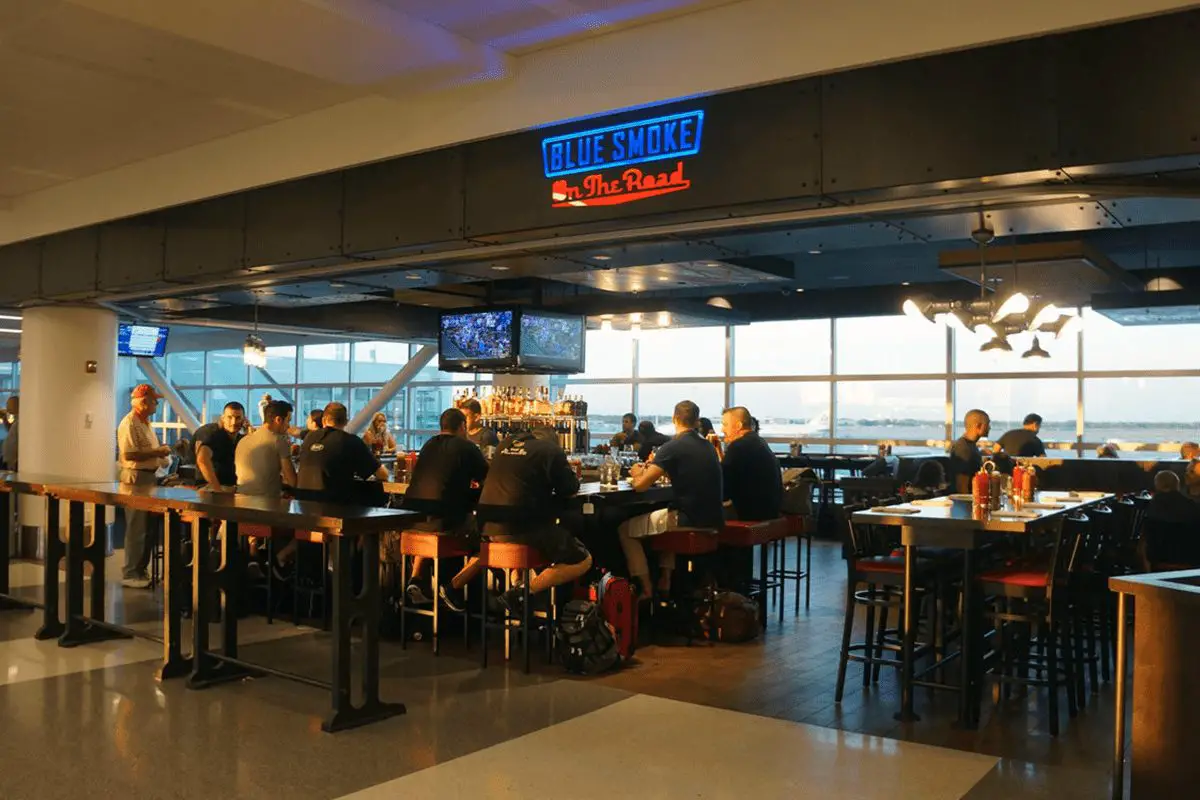
Delays at airports are not as woeful as they used to be. That is, if you are lucky enough to be stranded in a choice terminal replete with the type of trendy dining and watering-hole options that rival our very cities. If you find yourself in an airport for an extended period of time this coming holiday season—or any time for that matter—hopefully it’s at one of these terminals. Continue reading

How to Optimize Your Airline Points and Other Tips From a Travel Expert

TomFlies.com is an NYC-based, new-concept travel agency that aims to provide several essential aspects of travel that may have been overlooked throughout the years. Not selling exaggerated experiences, but rather leading their clients to genuine discovery is a key goal at the new age travel agency. We asked their Lead Flights Analyst, Adam Kwan some questions about the future of travel and how TomFlies.com plans to be a part of it. Here is what he had to say.


Q.It appeared for a while that the Internet (and D.I.Y. booking) would deal a major blow to travel agencies, however they have actually seen a strong resurgence in recent years. Why is this and how does the pandemic factor in?


A.What we try to do for each one of our clients is to identify where we can add value above and beyond the services they can book themselves. Whether it be monetary value from negotiated rates or service-oriented benefits such as expertise and personal vetting of providers and vendors, we think this goes a long way in showing clientele the benefits of booking with us.


People nowadays are inundated with what are essentially cookie cutter options that provide instant gratification. Just go on Amazon and you’re a couple clicks away from getting whatever you want, shipped straight to you from a warehouse containing hundreds of the same whatever-you-wants. We believe that this type of standardized mass merchandising is not befitting of people’s travel needs. People don’t buy vacations as nonchalantly as they do household goods. They want to be sure that they will get the best experience and best value for their travel. Especially since, for many people, a vacation is a significant expense relatively.


Right now, travelling in a pandemic-stricken world, people are more nervous than ever. Their confidence has been shaken and many people are unsure what will await them when they exit their plane. Making sure that people are confident that their travel will go off without a hitch has always been one of our main goals, so we view travel consultants as more beneficial than ever. There is a deluge of information out there with each country having different regulations. The last thing someone wants to do is spend their hard-earned money on a trip, only to find out they cannot board the plane or leave quarantine during their stay. That’s where we step in, making sure that our clients are making completely informed decisions with confidence.


Shutterstock


Q. Loyalty and rewards programs play a much larger role for airlines and hotels than meets the eye. Can you discuss how and why these programs are so vital for the travel industry, especially during the Covid-19 pandemic?


A. We see two main benefits to loyalty programs. The first is obvious—reducing customer churn and encouraging purchases with your company over your competitors; i.e. customer loyalty. The second benefit is liquidity through corporate partnerships.


Reducing customer churn (the rate at which customers stop buying your product over time) is important for every industry, but even more so in leisure travel where each individual customer may only purchase something once a year or less. It is tantamount that a travel company remains prominently in view of their clientele. Regular newsletters, deals, and targeted ads help with this, but a loyalty program will take this a step further. Loyalty programs create a sense of investment in your clients and strongly encourage them to return to you for their travel needs. There have been many detailed studies done on the psychological effects of loyalty programs, but the benefits are essentially the following:


  • Goal Anticipation – Creating something for your client to work for. By giving them a concrete goal and a way for them to track their progress towards that goal, people will be strongly motivated to complete that goal; i.e. purchase more. Not only that, but customers will invest more to complete the goal the closer they are to achieving it.
  • Positive Reinforcement – Encouraging customers to stick with you by giving them rewards is an obvious example of positive reinforcement. But just as important is the converse. Not only are you encouraging people to purchase through your company, but you also create a sense of “lost value” when they book with your competitors. Studies have shown that people generally tend toward being risk-averse when faced with a value-loss proposition.
  • Creating a sense of exclusivity – Simply put, people like being in exclusive groups and feeling unique and appreciated. Top-tiers of loyalty programs offer this prestige. If you make JetBlue Mosaic, you’re going to feel pretty good being the first one on the plane.


The second main benefit is more simply explained. Airlines and hotels will create liquidity by selling their points to corporate partners. When Chase or American Express offer their cardholders point exchanges or deals with specific travel partners, that likely means the bank has purchased points in bulk from the travel provider. This accounts for a surprisingly significant portion of the liquidity for several travel companies and is important in supporting daily operations and business development.


Both of these benefits are eminently important during the pandemic. When your clients are ready to travel again, you want to make sure they come back to you. And while traditional sales dry up, you want the extra liquidity from corporate points sales to keep things running.


Q. Should consumers be thinking any differently about their loyalty/rewards memberships during this period? Are there any tips or strategies you have for people who travel frequently and accrue a lot of points?  


A. There are a few tips and tricks we have for maximizing the value of your points, however more so in general rather than specifically during the pandemic.


First is to absolutely do your research. There’s no way of knowing if you’re getting a good value for your points unless you know the baseline value of them. For example, TrueBlue points are worth 1.1 cents each on average. I would only book flights with points where you meet or exceed that exchange rate. During COVID, we’d suggest to make sure that there is no expiration on your points and benefits, at least until you’re ready to travel again. If there is, ask the airline or hotel if they can extend the expiration for you.


Second is to shop around. Just because you have points with American Airlines doesn’t mean you can’t buy a British Airways ticket with them. Airlines have partners which often allow you to book the same exact flight through them. For example, Alaska Airlines offers many of the same flights operated by its partner American Airlines, however the flights usually cost fewer Alaska Airlines miles than AAdvantage Points. You can simply transfer your points from AA to Alaska and use them there for more value per point.


Philip Pilosian/Shutterstock


Q. What have been the most frequently asked questions by your clients during the pandemic and how are you advising them? 


A. Far and away the most asked question is whether a traveler will have to quarantine when they arrive at a destination or if they will have to take a COVID test before travelling. We’re keeping track of the ever-changing regulations for each of our most popular destinations so we can make sure all of our clients are fully informed.


Q. What destinations, US and international, do you expect to see the most interest in once virus fears subside and travel returns to pre-pandemic levels—or close? 


A. Hard to tell, but it’s between the Caribbean and the Mediterranean in our opinion. We’re already seeing a large uptick of interest in the Caribbean, especially for all-inclusive resort destinations like Cancun and Punta Cana. The amount of interest can only go up from here. We think that the private and comprehensive experience offered by all-inclusive resorts does add a sense of security for their guests. Knowing that everything you need is in an environment you’ve seen being sanitized goes a long way towards making people feel safe during a pandemic. They can have it all without having to go out into unfamiliar surroundings that may not be clean.


Positano at sunset/Shutterstock


We also think people are just itching to head back to the Mediterranean, we know we are. Italy, Spain, Egypt, Israel, and Greece et al have always been some of our most requested destinations, and people miss those places more than ever now that travel is restricted.


Q.What is the single biggest reason to use a travel advisor?


A.Simply that the cost to benefit ratio is great. With our agency’s negotiated rates and worldwide reach, we can offer prices competitive with OTAs while also offering the added benefit of travel planning expertise and dedicated e-concierge services and support before, during, and after travel. Essentially, people will be able to pay roughly the same amount of money for their travel as if they booked it themselves, without actually having to do anything themselves.


Q.In just a few words, what is your philosophy at TomFlies.com?


A.“Always wander!”


See our full report on The State of Travel: 2021

8 Versatile Wines to Pair With Your Thanksgiving Feast

“Thanksgiving Wines” has become an annual favorite of mine to write. I enjoy the challenge of trying to find wines that pair well with a Thanksgiving meal—not as easy of a task as one might think.


I definitely favor white wines over red wines for this once-a-year meal, but the type of white wine you choose is key. The amount of oak is always something I wrestle with. On the one hand, the wine needs to be “big” enough to stand up to the richer aspects of the meal. Dark meat turkey, gravy and even a green bean caserole all call for bigger style whites. This usually means white wines with ample oak that have gone through some malolactic fermentation. As such, California Chardonnays can be a wonderful pairing for this meal, however I lean towards the less oaky ones with ample acidity to cut through the fattiness of the meal. For 2022, I have two Chardonnays listed (both from California).


Versatility and minerality are equally if not more important. Thanksgiving is a motley group of foods with a lot of different dishes serving as supporting cast to the main actor, turkey with gravy. This means you need a wine that can go with myriad flavors (sweet, salty, savory), with plenty of minerality and acidity to pair with the fattier apsects of the meal.


Alas, here are my 2022 “Thanksgiving Wines” selections, with a variety of price points (ordered by least – most expensive) from a variety of regions.


Chapoutier ‘Bila-Haut’ Cotes du Roussillon Blanc 2020 (SRP $15)


A blend of Grenache Blanc, Roussanne, Macabeu, Vermentino and Marsanne, this Cotes du Roussillon Blanc from world-class Rhone Valley producer M. Chapoutier, is round and rich, yet balanced with good minerality, ample acidity and tons of bright flavors. Alluring white peach, quince and lemon zest give way to saline and limestone notes on the finish.


A versatile wine for food pairing, you can serve this with your Thanksgiving meal or with hors d’oeuvres before. With an average SRP of $15 (even lower at some discount stores) this is also a wine you should consider buying a case of for Thanksgiving and the Holiday season.


 2021 Garofoli Supèra Verdicchio Di Matelica DOC (SRP $16)


Dating back to 1871, Garofoli is the oldest family-owned winery in the Marche region of Italy. While Garofoli may be an old winery, the Supèra is relatively new and the winery’s first foray into Verdicchio di Matelica.


The grapes for this Verdicchio are from the higher elevation Matelica Valley where the Garofoli family is working with a young and innovative grape grower. Referred to as a “mountain wine” by Garofoli, this Verdicchio teams bright and tangy notes of lemon peel and tangerine with mellower notes of pine nuts and bread pudding.


 2021 La Valentina Pecorino Colline Pescaresi IGT (SRP $18)


Established in 1990, La Valentina is a good example of the modern winemaking renaissance happening in Abruzzo, a region long undervalued for its quality wine production. A true believer in sustainability, the winery avoids the use of artificial or chemical products and estate vineyards are farmed organically (or in transition towards organic).


The Pecorino grape thrives in the rocky slopes and maritime climate of Abruzzo—the areas clay, limestone, and gravel soils and microclimates a great mix for a grape that is known for being difficult. but more than worth the effort.


The light hue of this wine (very pale yellow) is misleading. Citrus, stone fruits, minerals and acidity literally explode out of the glass, with very little oak presence—which I love. Like the ‘Bila-Haut,’ this is a versatile wine that will match with your smorgasbord of Thanksgiving spoils, but can also be served as a cocktail wine beforehand.


2020 Trivento Golden Reserve Malbec (SRP $20)


I have always liked Malbec as a plush, soft tannin, mellow alternative to bigger Bordeaux varietals like Cabernet Sauvignon. However, I have always felt there was a ceiling to its quality. That is before I met Germán di Cesare, chief winemaker at Bodega Trivento—one of Argentina’s top Malbec producers, in the foothills of the Andes Mountains. Both of the reserve Malbecs I tried were extrememly approachable, complex and paired beautifully with our lunch at mid-town Manhattan’s L’ Amico restaurant.


Their Eolo Malbec is the best Malbec I have ever tried, but at $100 it is very expensive for a Malbec—especially for Americans who typically think of Malbec as a relative value. At $20 though, their “Golden Reserve” is VERY good and a great value. This wine reminds me of a Napa Valley Boardeaux-style blend, with dark red fruits, anise, tobacco and spice box wafting out of the glass. This wine is very structured for a Malbec, with soft, yet prevalent tannins and complex flavors shaping it the whole way through.


2020 Inama “Carbonare” Soave DOC Classico (SRP $30)

Inama’s vineyards cover 70 acres throughout Soave Classico, mainly on and around the dormant Monte Foscarino volcano.


The region’s soil owes its characteristic to a stream of water that flows underground in the region. According to Inama, “the basalt, which characterizes the ground in most of the Soave Classico area, has great chromatic complexity…the strong character of the vineyard is evident in the grapes.”


Aromas of citrus and fresh cut flowers greet you with this Soave, followed by effervescent acidity, strong minerality and a little bit of limestone salinity on the finish—which I love! This Soave can easily stand up to your turkey and gravy while also complimenting your sides, from sweet potatoes to green bean casserole.


2021 Frank Family Carneros Chardonnay (SRP $40)


I’ve written about Frank Family wines before and for good reason—they are very good, VERY consistent and generally available Napa Valley wines at reasonable prices.


The grapes for this wine were sourced from some very reputable vineyards—primarily their estate Lewis Vineyard as well as neighboring Beckstoffer Vineyards (Napa-Carneros) and Sangiacomo Vineyards (Sonoma-Carneros).


This wine has a rich bouquet of baking spices, apple pie and Meyer lemon upfront. While only seeing partial malolactic fermentation, this prototypical Carneros chardonnay is full bodied, with pineapple, peach, and brioche bread notes upfront. Plenty of bright acidity and subtle hints of oak are revealed on the long finish. Frank Family’s “Lewis Vineyard” Chardonnay is also worth seeking out if you can find it and don’t mind the higher price point. Pineapple, pear, tangerine and vanilla custard notes are shaped by impeccable structure, ample acidity and a super long finish.  This is one of the better California Chardonnays I have tried but you might need to order it directly from the winery.


 Fiddlehead “Oldsville” Willamette Valley Pinot Noir (SRP $54)
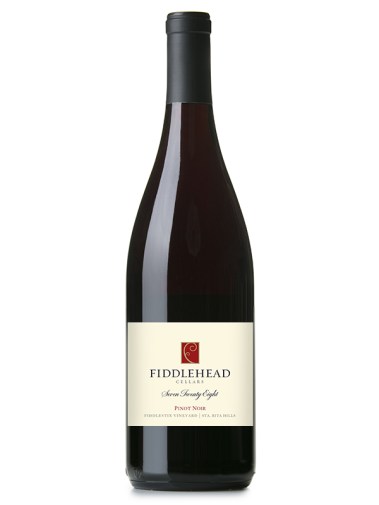


Founded in 1989 by winemaker Kathy Joseph, Fiddlehead Cellars stands out as one of California’s pioneering producers dedicated to terror-driven and age-worthy wines tied to great vineyard sites. Running the winery 30-plus years, Kathy is one of Santa Barbara County’s first leading female winemakers to own both her own winery and vineyard, with a hands-on role in the farming, winemaking, and other aspects of the business.


While Fiddlehead is famous for their Santa Barbra County wines, they have also been producing outstanding Pinot Noir in the Willamette Valley for nearly 30 years. Their Oldsville Pinot Noir is indicative of Kathy’s attention to making wines that are an expression of their vineyard sites—in this case terrior driven, Burgundian-style Willamette Valley Pinot Noir.


This classic Willamette Valley Pinot is packed full of blueberries and pomegranates with undercurrents of strawberries and lavender and complimented by earth, leather and smoked meat notes. The wine finishes with tobacco, spice box and just a hint of vanilla oak—with great structure and a long, lingering finish. This Pinot Noir is a perfect match for lamb chops but will also work well with your Thanksgiving feast.


Lynmar 2018 Quail Hill Vineyard Chardonnay (SRP $63)


At the heart of Lynmar Estate is its original site, the 47-acre Quail Hill Vineyard, one of the foremost vineyard sites within the Russian River Valley. Planted in 1974, proprietor Lynn Fritz acquired the site in 1980 as a rural retreat from running an international corporation in San Francisco. Upon tasting some of the original wines sourced from Quail Hill, made by Merry Edwards at Matanzas Creek and Tony Soter at Étude, Lynn began to fully understand the site’s rare qualities. Today it remains one of the top vineyards in Russian River for world-class Chardonnay and Pinot Noir.


This wine is quintessential, top-tier, Russian River Chardonnay. Tropical and citrus fruits give way to peach, pear and crème brulee, with bright acidity and limestone minerality on the finish.

Raw Bar Hopping—8 Great Oyster Bars in NYC

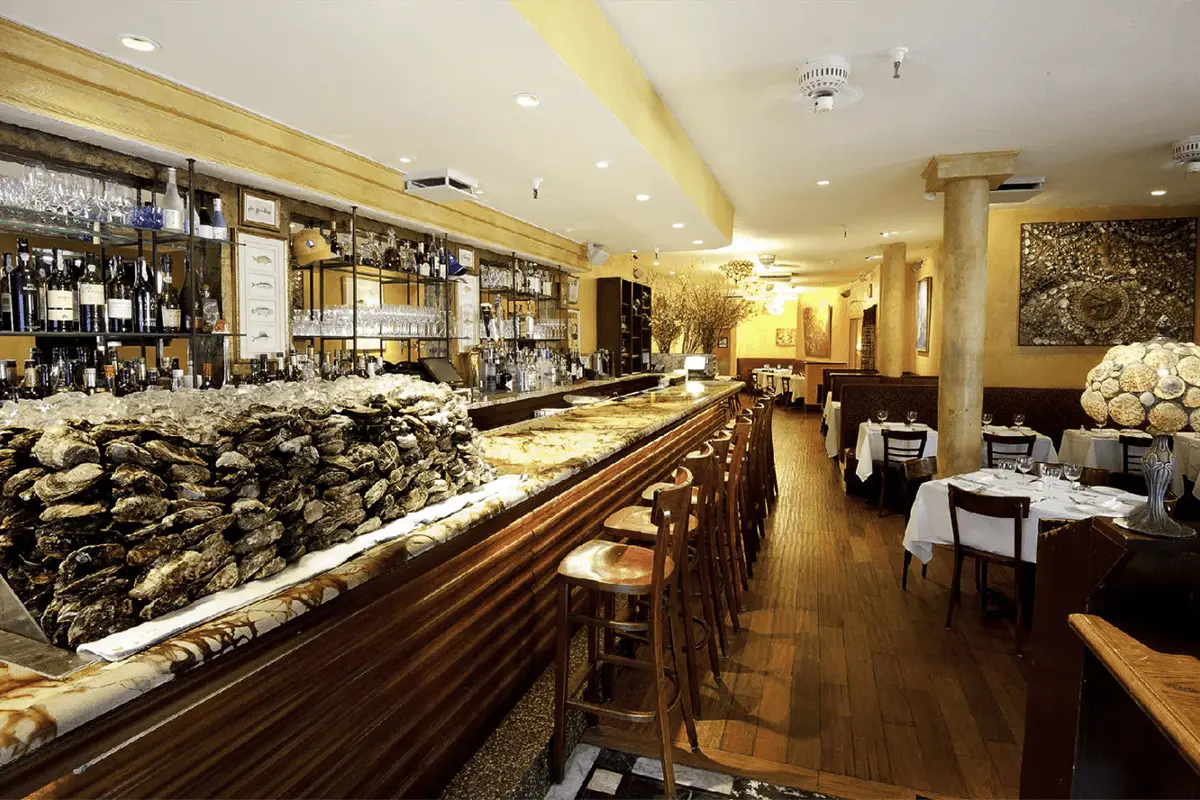
In the book The Big Oyster, Mark Kurlansky writes “before the 20th century, when people thought of New York, they thought of oysters.”  Though that sentiment along with New York’s oyster population has diminished over the past two centuries with the city’s drastic growth, oysters are currently making a strong comeback in Mahattan via the Oyster Restoration Research Project. Continue reading
6 Sneaky Cool Features of the Rivian R1

The Gear Tunnel

I would not be surprised if most Rivian owners name the gear tunnel as their favorite feature. It’s a simple yet brilliant utility. Exactly like it sounds, the gear tunnel is an 11.6 cubic foot storage area that runs right through the middle of the truck, between the cab and bed, accessible through small doors on both sides of the truck’s exterior. You can also access the Gear Tunnel through an opening between the rear seats.


The uses for the gear tunnel are endless. As the name suggests, it is obviously great for storing gear—fishing rods, skis, golf clubs, camping gear…whatever your jam is. The tunnel’s doors also double as seats or as a foot stool to reach the truck’s roof. And since the engineers at Rivian don’t like any wasted space, the doors also have small cubbies for additional storage. But Rivian did not stop there. Realizing that this space has so many applications, they thoughtfully outfitted a few custom products—designed specifically for this space—that slide in and out of the tunnel.  The coolest one by far is the…


Portable “Camp Kitchen”


While an expensive option, there is no denying how cool this custom feature is. The camp kitchen includes a countertop, a two-burner electric stove, a 4-gallon water tank for the sink, and a 30-piece dish-ware set that includes plates, utensils, carving knives, and more. All of this folds up like a transformer into a unit that slides into the gear tunnel, like a glove, so you’ll never hear it bouncing around. Of course, if you are not planning on camping anytime soon, then simply take it out and leave it in your garage until it’s needed and use the storage space for something else.


Onboard air compressor


The obvious use for an air compressor would seem to be if you got a flat tire or had a slow leak and needed some quick air in a tire in order to make it to a mechanic. And having an onboard air compressor is certainly a comforting accessory should this scenario present itself. But the Rivian was built for rugged terrain and sometimes—whether it be driving on a beach or over rocks on a mountain road—deflating your tires can be prudent.  The integrated compressor—seamlessly built into the side of the bed—comes with a kit that includes a 20-foot hose that extends to all four wheels, for inflating your tires after airing down for rough terrain. It also includes a quick-connect nozzle and adapters to fill up myriad other gear including your bike tires, an air mattresses, raft, or even just a basketball. Just set the pressure and hit a button, and voila, you have air whenever you need it.


Portable Blue-tooth Speaker


The built-in (but portable) Bluetooth speaker weighs only 5 pounds and docks seamlessly within the truck’s center console for easy storage when not in use. It charges when docked or can be plugged into an external USB Type-C port when docking isn’t an option.


The flashlight with its own integrated door pocket


Powered by a single cell from Rivian’s battery pack, the flashlight fits—James Bond-style—right into a cylindrical opening on the side of the door (when the door is open). Assuming you always pop it back into place, it will always be fully charged. To access the flashlight you simply press inward on the end of the device (almost like pressing a button) and it pops out. Taking up virtually no space, who wouldn’t want this?


LED lights built into sideview mirrors


The Rivian is the ideal vehicle to go camping with. The folks at Rivian know this and added a lot of simple features that do not add any bulk to its overall form factor. The LEDs built into the side-view mirrors—which can light up a campsite or tailgate—is a perfect example. While they are not as bright as the headlights, they add additional lighting from different angles to your camp site or beach BBQ. Don’t like them? Don’t use them. They blend in seamlessly.


There’s a Hidden Bar in Grand Central Terminal That’s Been Around for Several Decades Yet Alludes Most

It’s no secret that Manhattan—and the thirsty masses who live in and travel to it day in and day out—love a good speakeasy. After all, potent drinks, exclusivity and Gatsby-esque charm will take you far in a city renowned for not sleeping and its endless waitlists.

Continue reading

The Real Rosé Season Starts Now

Don’t wait till Memorial Day to load up on your favorite rosé—many won’t still be around!

Most people, when they think of rosé, think of the enjoyment it can bring on a hot summer day. Personally I love the salmon colored elixir anytime of year though warm summer weekends certainly lend themselves the most.

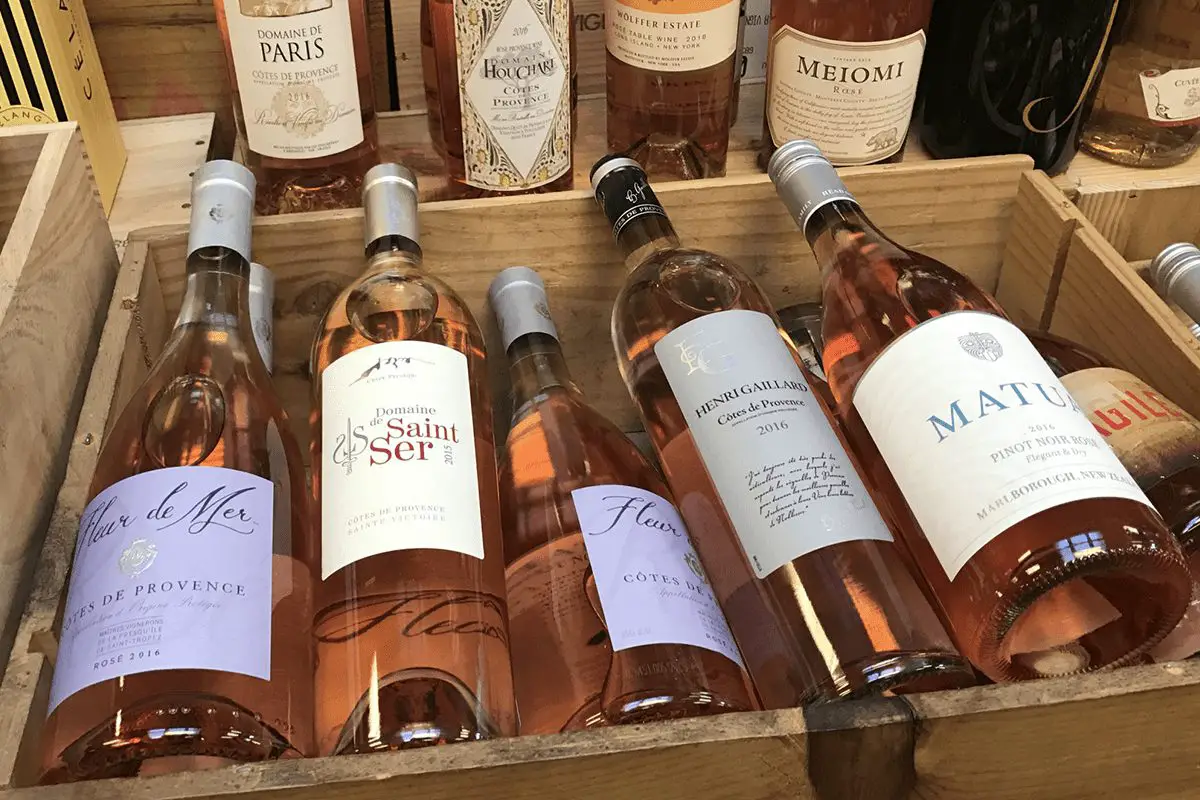
It might come as a surprise therefore that summer is not actually rosé season—at least not from a retail standpoint. This is because rosé wines— from the motherland in Provence, across Italy, Spain and even in California and Oregon—are released every year in March and April, when a lot of the country is still thawing out. A decade ago it may have been safe to wait till May or June to buy a case of your favorite rosé. But now, due to the soaring popularity of rosé there is no assurance that your favorite one will still be around come Memorial Day. Ultimately it depends on the allocation your local wine shop gets and how they decide to stagger it, but why leave it to chance. If you prefer to buy wine by the case or you plan on entertaining in early summer and you want to make sure there is plenty of your favorite summer sipper once the warm weather arrives, don’t wait.

Look for value

As for what to buy. That depends, but I am a firm believer that one should never pay a premium for rosé as there are so many great values on the market. Despite having worked in the wine business for a number of years (for a large importer/distributor in California and for Wine Spectator in New York) I am no more qualified to tell you what’s good than the next guy. I do however have a knack for finding value whenever I can (or at least I try) and that is what I have tried to do with the list below. In addition to all these wines being of good value I have only picked wines that have large case production, thus making it likely you will find them at your local wine store…so long as you don’t wait till the middle of the summer to stock up.

Wolffer Estate Rosé Long Island – $18.99

Varietals: Merlot, Chardonnay, Cabernet Sauvignon, Cabernet Franc, Riesling.

This is hands down my favorite rosé from Long Island and one of my favorites period. The varietals Wolffer uses are not the typical ones you would find in the south of France, but somehow the final product tastes very similar to something from Cotes de Provence—and is always good. It’s dry, with good minerality and just enough fruit. Wolffer Estate goes quickly though, so don’t wait too long to buy!

Minuty “M” Rosé Cotes de Provence – $16.99

Varietals: Grenache, Cinsault, Syrah

A classic blend of grenache and cinsault. Good acidity with notes of peach and citrus and an extremely fresh, quaffable finish. The curvy bottle and sleek label also make it stand out at events.

Beckmen Vineyards Grenache Rosé – $24.99

Varietals: Grenache, Syrah

A sophisticated, dry rosé with medium-pink hue, this is actually a blend of 87% Grenache and 13% Syrah. What I love about this wine is that it has the characteristics of a Provence style rosé that I like, but is more amplified. This is perhaps accomplished through their fermentation process which involves longer skin contact that imparts hints of tannin (not typical in most roses) and full, refined fruit flavors. Beckmen was one of the first wineries in Santa Barbara to bottle a rosé and is one of my favorite Rhone varietal producers in the area.

Domaines Ott “BY.OTT” – $19.99

Varietals: Grenache, Cinsault, Syrah

Its big brother—with a price tag north of $40—is the type of hifalutin rosé that flies in the face of the very thing rosé is known for—a good value. But at $19.99, the second label Ott offers much of the same freshness and elegance—with peach and citrus notes—at half the price.

Château Vignelaure La Source Rosé – $14

Varietals: Grenache, Cabernet Sauvignon, Syrah

This large estate, one of the most famous in Provence (northern Provence), specializes in red wine but also makes three rosés. The La Source Rosé is rich with good concentration and structure thanks to the Cabernet Sauvignon and Syrah in the blend. Notes of strawberry, dried orange peel and peach intertwine with limestone earthiness making it quite complex for a rose.

Henri Gaillard Côtes de Provence – $16.99

Varietals: Syrah, Grenache, Cinsault, Mourvèdre

This rosé is perfect for a hot summer day. It’s light, dry, crisp and refreshing with great acidity and minerality and just enough fruit to round it out. A classic blend of Rhone varietals results in very delicate notes notes of strawberry and citrus with a very clean finish. Perfect for a warm summer day with oysters.

Bonny Doon Vin Gris de Cigare Rosé – $18.99

Varietals: Grenache, Grenache Blanc, Carignane, Mourvedre, Cinsaut and Roussanne

A little easier to find on the west coast than the east, this wine is named in honor of the cigar-shaped alien craft banned from landing in the vineyards of Châteauneuf-du-Pape by decree of the village council in 1954. Made with Rhone varietals, from California’s central coast, in a Provence style, this wine is a true amalgamation of flavors but ultimately has that classic Provence style taste we like.

Elouan Rosé – $19.99

Varietals: Pinot Noir

Rosés made from Pinot Noir—common in California and Oregon—can often be bright red, brimming with raspberry and cherry and a bit tart on the finish. Others, like the Elouan Rosé from Oregon’s Willamette Valley, are more restrained, striking a nice balance between old world and new world styles. This is the style I like in new world rosés made from Pinot Noir. The Pinot Noir flavors are evident but the fruit is not in your face, with enough terroir to gain good balance. Dried strawberry and ripe peach shine through on the palate, with a delicate earthiness—thanks to the fertile soils of the Willamette—resulting in a somewhat sweet, yet deftly balanced rosé.  Much of this balance can be attributed to the areas where Elouan sources their fruit from—three regions along Oregon’s Coast: Willamette, Umpqua, and Rogue Valleys.  The diversity of these cool climate areas combined with a long growing season creates a wine with intensity of fruit flavor, structure, and a fresh vibrant acidity.

(Top photo: Horseneck Wines & Liquors, Greenwich, CT)

The State of Travel: 2021

In December of 2020 Airbnb, after a long-awaited debut, finally went public on the NASDAQ Stock Market. I watched on CNBC as the newly issued stock went from $68 a share to $150 within milliseconds of the initial offering—establishing its market capitalization at a cool $100 Billion. As Scott Wapner, host of the channel’s “Halftime Report” show, astutely pointed out, Airbnb was now worth roughly the same market cap as Hilton and Marriot…COMBINED!

In this report we look at some of these trends and services, with analysis and commentary from bona fide travel insiders such as travel advisors, hotel executives and wellness experts.  We also look specifically at what the state of travel might look like post-pandemic, including “Key Findings” from a survey we conducted exclusively with travel industry executives.

To make it easier to read we have provided an abbreviated version (below) that includes all of the editorial content in the report. However, you can also access the full report, which is available in a vivid, easy-to-read PDF format with all the data from our “Key Findings” section. Read Full Report

We hope you enjoy the content!

—Whit Cook


Resurgence of the Travel Agent

If there’s one thing we can collectively embrace in 2020, it is a bit of nostalgia. Sure, we are still trying to be mindful, and grateful, and present, but the past can be a comforting balm when living in the moment looks more like “Groundhog Day” than “Eat, Pray, Love.” Whether you have been staring dreamily at old vacation photos on your camera roll or grinning at the sight of Mark Hamill and R2D2 back on your TV screen, being reminded of the days of old (or, you know, any day prior to February 2019) has been energizing and damn near delightful. GLR doesn’t mind that you’re fondly reminiscing—we are, too!—but might we suggest a tip for marrying the comfort of the past with the prospects of a vaccinated future? If “Saved By the Bell” can get a reboot, so can an old travel industry standby. (Re)enter:  the travel agent. (Read more)


Yucatan Three Ways

As we dip our toes back into travel after a year of social distancing, it may feel hard to decide where to go and what to do first. Does a beach vacation sound most appealing or would you prefer an urban getaway focused on shopping, dining, and culture? Perhaps an escape to the country and days of waking to birdsong, dining on farm fresh meals, and exploring small towns is the trip you are dreaming of.


Mexico’s Yucatan Peninsula makes the process of picking a destination easier, as you can choose from all three of these holiday options in one place. It also offers the convenience of flying into and out of Cancun, with flights from more than a dozen American hubs. After you land, you just have to decide whether to drive south, to the beaches along the Riviera Maya; west, to the lively and charming capital of the state of Yucatan, Mérida; or into the countryside, for a stay at a sprawling hacienda reborn as a luxury hotel. (Read more)


Interview with Lead Flights Analyst Adam Kwan of Contemporary Travel Agency TomFlies.com

Q. It appeared for a while that the Internet (and D.I.Y. booking) would deal a major blow to travel agencies, however they have actually seen a strong resurgence in recent years. Why is this and how does the pandemic factor in?

A. What we try to do for each one of our clients is to identify where we can add value above and beyond the services they can book themselves. Whether it be monetary value from negotiated rates or service-oriented benefits such as expertise and personal vetting of providers and vendors, we think this goes a long way in showing clientele the benefits of booking with us.

People nowadays are inundated with what are essentially cookie cutter options that provide instant gratification. Just go on Amazon and you’re a couple clicks away from getting whatever you want, shipped straight to you from a warehouse containing hundreds of the same whatever-you-wants. We believe that this type of standardized mass merchandising is not befitting of people’s travel needs. People don’t buy vacations as nonchalantly as they do household goods. They want to be sure that they will get the best experience and best value for their travel. Especially since, for many people, a vacation is a significant expense relatively. (Read more)


Interview with LeAnn Campas, CEO of Social Platform Travevel

Q. Why are travel and social media so synergistic?

A. Social media is visual and there are few things more visually interesting than travel images and videos. The two were made for each other. Additionally, the vast majority of us put more weight on personal experiences, and there is no better way to share our adventures, explore others’ experiences and interact with them than through a social platform. (Read more)


Wellness Warriors

They say you can foretell future trends by looking at what the big thinkers and pioneers are doing now.  So, what’s up with wellness warriors in 2020?

Let’s start with an example of the future of business travel in the wellness arena.  In spite of in-person events being canceled across the board, the Global Wellness Summit—an international organization that brings together leaders and visionaries to positively impact and shape the future of the global wellness industry—had the fortitude and determination, in spite of some resistance, to go forward with their first ever hybrid (both in-person and virtual event) Nov 8 to 11 at The Breakers in Palm Beach, Florida. (Read more)


Nomadic Nutrition—Foraging in the COVID Era

In the Time of COVID, the wide blue yonder is both my escape hatch and my sanity maintenance pill. Specifically the swath of public lands east and west of my home in Seattle. Out there, in the ancient forests and lonesome mountains of the Cascades and Olympics, I can breathe in the fresh air and not worry about tainted particles of disease, those “air-born droplets” we’ve heard so much about.

Only, those same mountains aren’t so lonely these days. (Read more)


The Family Truckster

I work in the travel industry as both a travel advisor and a travel writer. I’ve owned the travel blog, Fifi + Hop, for the past 6 years, and write mainly about family travel, as I have two kids. Between my conversations with other family travel bloggers and my colleagues in the travel agency world, there are certain trends that will no doubt play a part in family travel in 2021. We’ve seen them already, and they will continue for a while. (Read more)


Read full report 


Nomadic Nutrition—Foraging in the Covid Era

In the Time of Covid, the wide blue yonder is both my escape hatch and my sanity maintenance pill. Specifically the swath of public lands east and west of my home in Seattle. Out there, in the ancient forests and lonesome mountains of the Cascades and Olympics, I can breathe in the fresh air and not worry about tainted particles of disease, those “air-born droplets” we’ve heard so much about.


Only, those same mountains aren’t so lonely these days.


It turns out there are plenty other Americans with cabin fever, and outdoor recreation is seeing a boom like never before. Retail stores are sold out of camping equipment, fishing gear, bikes, and cross-country skis. Trailheads overflow with cars. Popular spots for hiking and angling are busier than Grand Central Station.

I enjoy all those activities, too, but thankfully I’m also a forager, which encourages me to get off the beaten path to go on a more solitary outdoor treasure hunt for wild edible foods. Foraging is a perfect way, in fact, to forget about the downward spiraling news cycle and find literal sustenance in nature.


Chokecherries, common across much of North America, make tasty jam


Foraging is in fashion

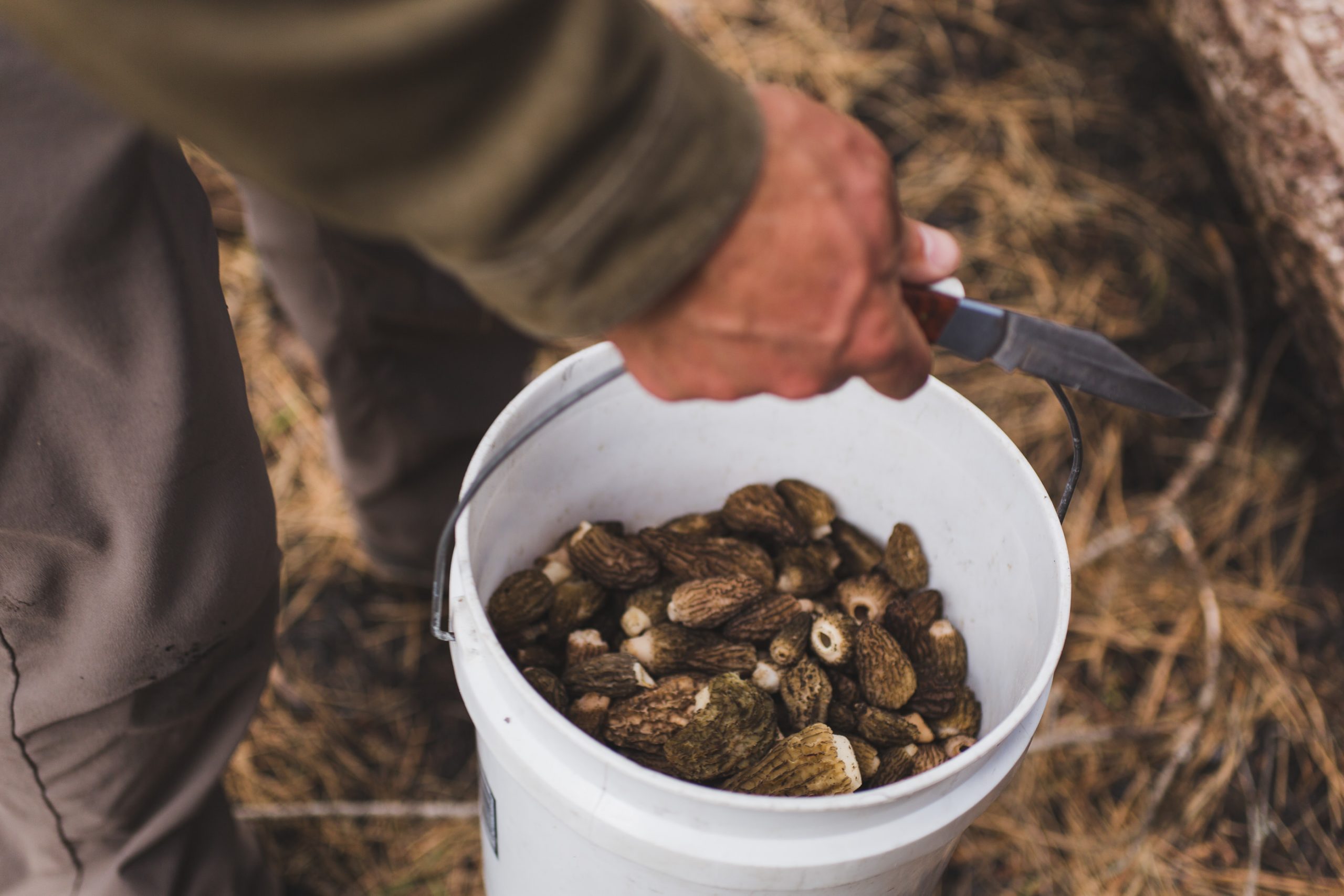
And in case you’ve been squirreled away in deep quarantine, foraging is hip these days. It’s now cool to traipse through the woods, woven Guatemalan basket in hand, in search of chanterelle mushrooms for the table, or to brave the bite of stinging nettles for a pot of soup. Every Michelin-aspiring chef has wild foods on the menu, and the bearded hipsters in their logging shirts from Portland, Oregon, to Portland, Maine, are learning how to tell a Death Cap mushroom from a delicious clump of porcini.


Fiddlehead ferns, lovely and full of earthy flavor


But…about those Death Caps… If you’d like to learn how to find a few untamed foods to spice up dinner during lockdown, just remember the forager’s Golden Rule: Never, ever, eat anything from the wild without one-hundred percent certainty of its identification. While there aren’t many deadly poisonous plants and mushrooms, there are a few, meaning it’s a good idea to learn how to recognize, for instance, a common weed such as poison hemlock (looks a bit like parsley!), yes the same one that killed Socrates.

If you’re new to foraging, try to go beyond leafing through field guides or surfing YouTube videos. Take a class or workshop if possible, join a mycological or horticultural society (most club meetings are via Zoom these days, but it’s a start), and best of all, find a more experienced friend or willing teacher who can mentor you.


Pan-seared diver scallops with morels and potatoes in stinging nettle sauce


Regional specialities coast to coast

There’s ample foraging just about everywhere across this stricken nation, including within city limits. Every region boasts of a few specialties: prickly pear cactus in the Southwest desert; wild rice in the Great Lakes; onion-y ramps up and down Appalachia. In many places you can harvest something as ubiquitous as the humble-yet-nutritionally-off-the-charts dandelion year-round, or go for the more advanced art of clam digging or mushroom hunting in season.

Regardless of quarry, wild food foraging is a great way to get outside for a while and forget about what ails us.

Langdon Cook, award-winning author of Upstream and The Mushroom Hunters.

Power and Elegance

Bordeaux style blends from Napa Valley have always been a favorite of mine. Whether it’s a left bank style (heavier on the Cabernet Sauvignon), a right bank style (heavier on the Merlot and Cab Franc) or somewhere in the middle, the concept of blending varietals together to make a more rounded, complex wine has been around for a long time. The French championed the style a couple centuries ago in Bordeaux—more out of necessity than preference, since their climate does not always yield ripe enough fruit. Thus blending was needed to smooth out the edges and soften the tannins. Napa’s trailblazer vintners were initially reticent to blend because they did not want to copy the French—nor did they need to. Thanks to its warm climate and consistently sunny days during most of the growing season, a lack of ripeness is rarely a problem in Napa. But the practice eventually took hold nonetheless. Joseph Phelps is considered by many to be the first winery in Napa Valley to practice the technique, back in the 1970’s. Their flagship wine “Insignia,” considered the first Bordeaux-style blend in Napa, remains one of my favorite wines to this day.


Of course, many producers in Napa Valley still prefer to make 100% Cabernet Sauvignon and excel at it. Caymus Special Selection and Shafer Hillside Select are two of the most revered Napa cabs on the market, with international name recognition and cult-like status—not to mention hefty price-tags. Thanks in part to ideal vineyards plots, perfect soil and a long growing season—these producers can make world-class red wines that consist of 100% Cabernet, yet with decidedly soft, plush tannins and layers of complexity that might easily be mistaken for a blend. While most Napa wineries tend to concentrate—and subsequently excel—at one or the other, a few excel at both.


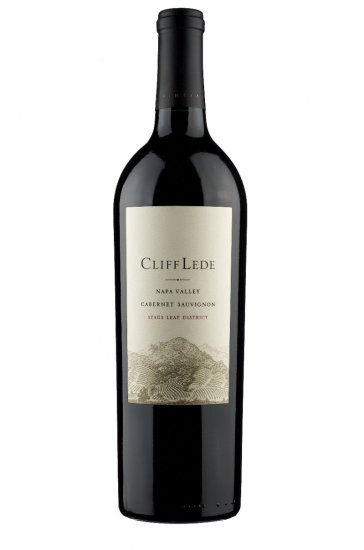
Cliff Lede, located in the Stags Leap district of Napa Valley, is one of these producers that has mastered both. They make blends—namely their “Claret” and “High Fidelity” labels. And they make Cabernet—though depending on the label and the vintage it could be anywhere from 85% to 100% Cabernet, give or take a few percentage points. All of their wines, even their Sauvignon Blanc, are extraordinary in my opinion. Before I delve more into their wines, let’s take a quick look at the winery itself and it’s rather short, yet successful history in Napa Valley.


History of Cliff Lede

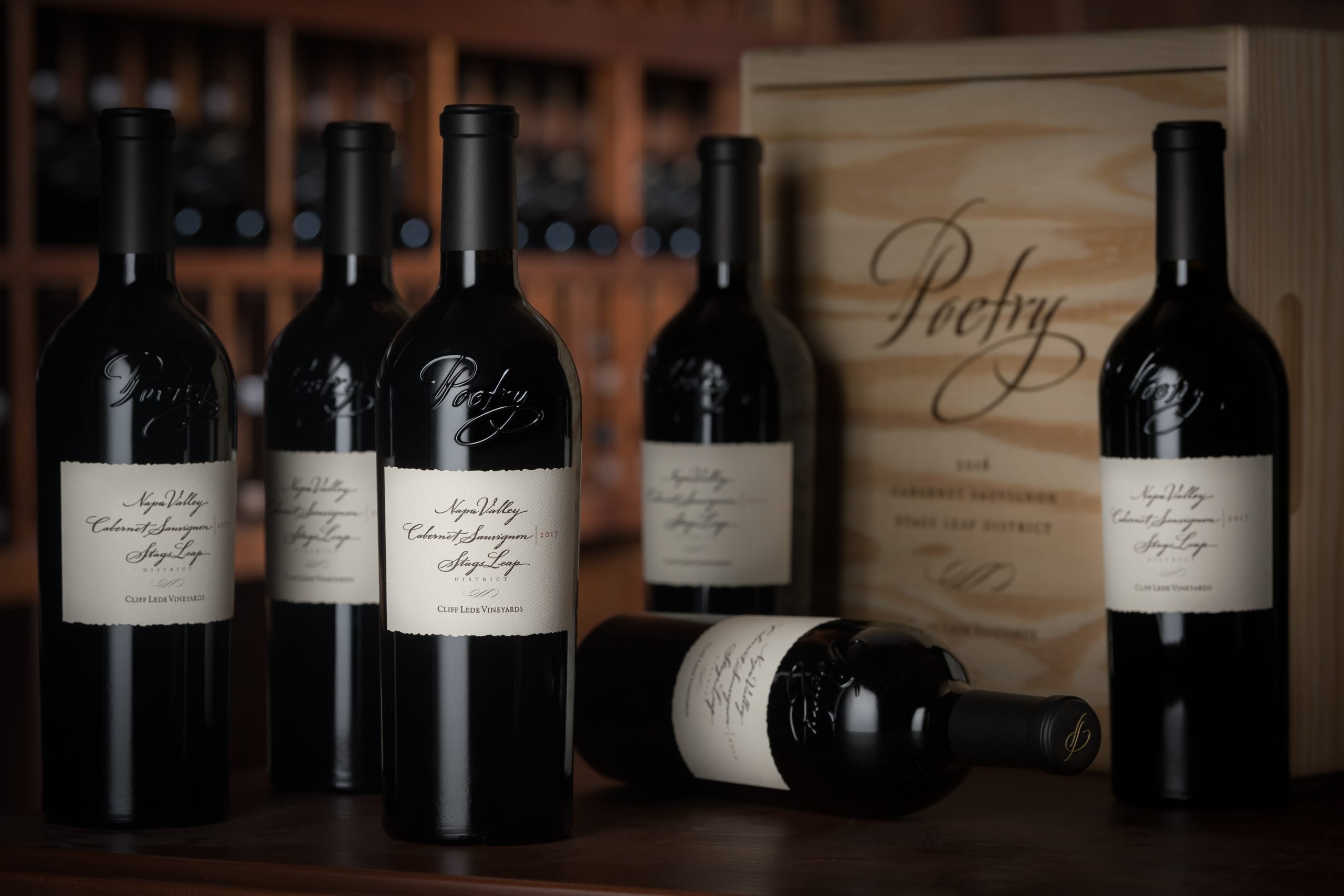
Cliff Lede Vineyards was established in 2002 by Canadian born Bordeaux enthusiast, Cliff Lede, following the acquisition of a sixty acre estate in the Stags Leap District of Napa Valley. With a focus on producing wines from estate vineyards, Lede tapped David Abreu, considered the best viticulturist in Napa Valley, to replant the vineyards. Lede decided to name each vineyard block after some of his favorite rock songs and albums—from “My Generation” to “Dark Side of the Moon,” creating what is known today as the Cliff Lede Vineyards “Rock Blocks.” In 2005, a state of the art, 25,000 square foot winery and cave system was etched into a hillside overlooking the estate vineyards. Winemaker Christopher Tynan crafts Cabernet Sauvignon and Sauvignon Blanc, with the flagship, Poetry Cabernet Sauvignon, sourced from the steep eastern hillside portion of the estate.


Ok, so what makes these wines special? After all, Napa Valley is home to a lot of great producers. For me, it’s the balance, complexity and polish of their wines. And while winemaker Christopher Tynan deserves a lot of credit, even he would probably agree that the vineyard plots Cliff Lede lays claim to in the Stags Leap District play a major role in the final product.  There are 16 AVAs in total in Napa Valley and each one has different characteristics. Yet, while the differentiating characteristics of these AVAs can be debated, it is hard to argue against the notion that Stags Leap District Cabernets have distinctively softer, silkier tannins than their neighboring AVAs. This is what SLD Cabernets are known for. Power and elegance.


Situated in southeastern Napa Valley, along the Silverado Trail, about five miles north of the city of Napa, the Stags Leap District is only about a mile wide and three miles in length. This makes it is one of the smallest AVAs in Napa Valley. And given its southern location in Napa Valley, it is also one of the cooler AVAs, resulting in a more subdued style of Cabernet Sauvignon.


Often referred to as a “valley within a valley,” the district is bounded on the east by the towering Stags Leap Palisades, to the west by the rolling hills and Napa River, to the north by the Yountville Cross Road, and to the south by low-lying flatlands. These landscape features lend the district its clear physical identity while a unique set of topographical characteristics make it ideal climate for growing Cabernet.


Says the Stags Leap District Winegrowers Association, “The rock facades of the palisades reflect the heat of the sun onto the vineyards below, causing temperatures to rise more quickly than in neighboring vineyards. As afternoon draws to a close, the hills funnel the cool, marine air flowing north from the San Pablo Bay through the Stags Leap District corridor. The cooling effect of this breeze, coupled with nighttime air drainage off the mountains and hills, means lower nighttime temperatures. This allows the grapes to achieve an excellent balance of acid and sugar and also minimizes the threat of frost. The end result is a longer growing season of warm days and cool nights—perfect for late-maturing varietals such as Cabernet.”


Cliff Lede currently produces a total of 10 Cabernet and Bordeaux-style blends. While all of them are muscular enough to stand up to a steak or lamb chops in the heart of winter they are also very elegant wines that can be enjoyed anytime of year with a wide array of cuisines. Below are my notes for the three wines I tried.


2017 Cliff Lede Cabernet Sauvignon, Stags Leap District (SRP – $78)

The fruit for this Cabernet (88% Cabernet Sauvignon,5% Merlot, 4% Petit Verdot, 3% Cabernet Franc) was sourced from the hillside terraces of Cliff Lede’s Poetry Vineyard, Twin Peaks Vineyard estate which surrounds the winery, and a few neighboring vineyards in the Stags Leap District. The wine is composed of small lots from their best blocks, representing a diverse range of carefully selected clones and rootstocks. This wine is also rich in soil diversity ranging from Poetry’s volcanic origins, to the ancient riverbed alluvial soils of Twin Peaks, further contributing to the wine’s complexity. Great wines are indeed “made in the vineyard.”


The 2017 Stags Leap Cabernet has vibrant aromas of crushed flowers and dark fruits (blackberry, dark cherries) intertwined with chocolate, spice box and cassis. The wine has tremendous depth and layers of flavors that build into a long opulent finish that is framed with great minerality and loamy soil that personifies the SLD terrior.


2017 Dancing Heart Cabernet Sauvignon, Stags Leap District (SRP – $110)

89% Cabernet Sauvignon, 7% Petit Verdot, 3% Merlot, and 1% Malbec. The fruit for this one is sourced from Lede’s Poetry and Twin Peaks Vineyards. The Cabernet Sauvignon is planted in shallow volcanic soil and farmed to low yields, resulting in good structure with plush tannins and tremendous concentration.


This wine announces itself a bit more on the nose than the Stag’s Leap Cabernet, wafting with a bouquet of dark berry fruits, lavender and cocoa. Wonderfully complex with minerals and slate/graphite on the finish.


2017 Poetry Cabernet Sauvignon, Stags Leap District (SRP – $285)


The Poetry Vineyard, carved into a steep west-facing hillside, reaches from the highest elevations of the Stags Leap District appellation to the valley floor. This vineyard, designed by David Abreu specifically for Cabernet, draws its uniqueness from shallow, volcanic soils atop fractured shale. Due to the stressful nature of the site, planted with high vine density and farmed to very low yields, the vines develop slowly and produce small flavorful berries.


A blend of 88% Cabernet Sauvignon, 7% Cabernet Franc, 1% Merlot, and 4% Petit Verdot the bouquet on this one is loaded with black currants, crushed flowers, stone and cherry liquor. On the palate it has a complex medley of spices, tobacco, licorice, currant, dark cherries and even hoisin. The long finish includes cigar, dried cherries and warm slate.


Wolf Gourmet High Performance Blender—The Ferrari Of Kitchen Countertop Appliances

At the Architectural Digest Design Show that took place in March in New York, Pursuitist visited the expansive Sub-Zero exhibition space, which showcased its most recent innovations within its Sub-Zero, Wolf Gourmet and Cove product lines. Continue reading

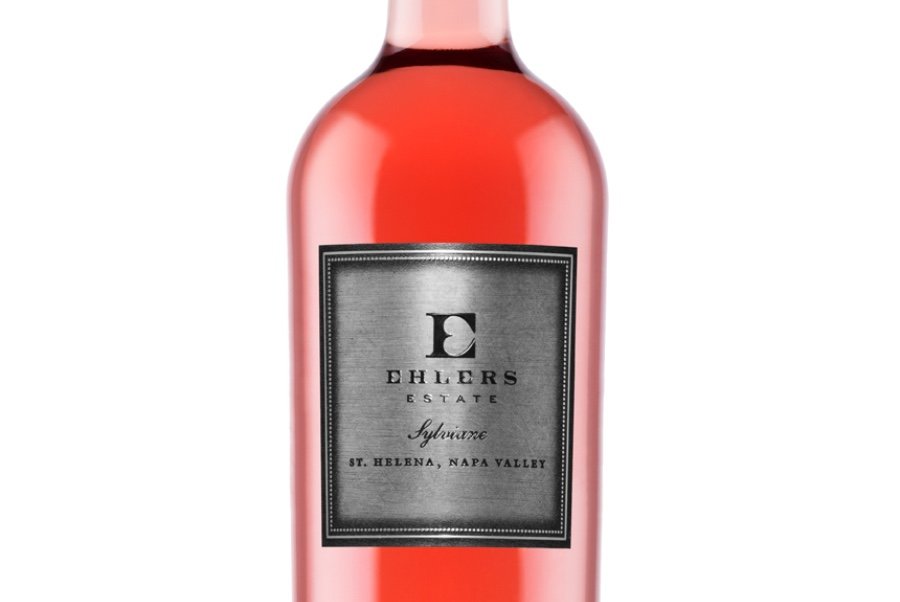
Ehlers Estate Rosé

Like a lot of people who enjoy a glass of rosé as the weather warms, I like the classic style that the Provence region of southern France is known for—light salmon color, dry, with a slight earthiness. That’s not to say, however, that the wine has to be from Provence in order to achieve this style. Put a bottle of Wollfer Estate (Eastern Long Island, NY) in a blind tasting line-up and you’ll likely fool some people who might peg it for Provence or Bandol in the south of France.  Regardless of its origins, this style of rosé is very quaffable, very popular and very available. And for years this has been my default style. But rosés, which can be made from almost any red grape varietal, come in a lot of different styles. So why not branch out.


I recently tried Ehlers Estate’s Napa Valley Rosé (“Sylviane”) made from 60% Cabernet Sauvignon and 40% Cabernet Franc and was pleasantly surprised. While a number of Napa wineries do a rosé, most are merely a fun experiment. A warm-up wine to include in the tasting line-up for people visiting the winery. After all, Napa Valley does not exactly lend itself to rosé, at least not from a traditional standpoint. In my article, “The Real Rosé Season Starts Now” I highlighted a couple of California rosés that I love—Beckman’s Grenache Rosé and Bonny Doon’s Vin Gris De Cigare. The former is 100% Grenache and the latter is a blend, comprised (typically) of Grenache, Grenache Blanc, Carignan, Cinsault and Mouvedre. Notice a pattern here? Both of them use Rhone varietals (which are also prevalent in Provence to the south), mimicking the French style. And both are delicious. But that doesn’t mean wineries in Napa Valley most follow this script. After all, these varietals do not exactly thrive in Napa Valley. Beckman and Bonny Doon are both in the central coast. Napa vintners can certainly grow varietals like Grenache with decent quality and they do. But is that something they really want to put much effort towards? My guess is no, which is why you see many of them, like Ehlers, using what they already have—Cabernet Sauvignon and Cabernet Franc. Why mess around with Rhone varietals when you have some of the best Cab and Cab Franc in the valley?


Tasting Notes: The juice of Cabernet Sauvignon and Cabernet Franc lots were fermented in stainless steel drums and once-used barrels. The first thing I noticed is that the wine was not quite as acid driven as the traditional roses I have talked about, yet it had more structure with mellower tannins and more body. According to the winemaker, the fermentation went very slowly and the used oak allowed for the development of a beautiful creamy texture in the wine, which I would say is dead on. Bright aromas of raspberries and strawberries, melon, vanilla beans and white peach fill the glass. This rose will certainly refresh you on a hot day but, because of the softer tannins and more muscular body, can also be enjoyed year-round.