A Timeless Treausure in London

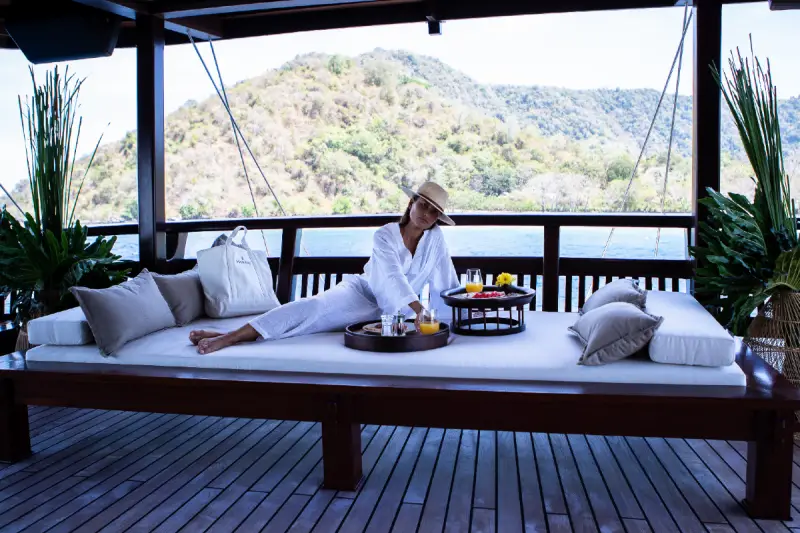
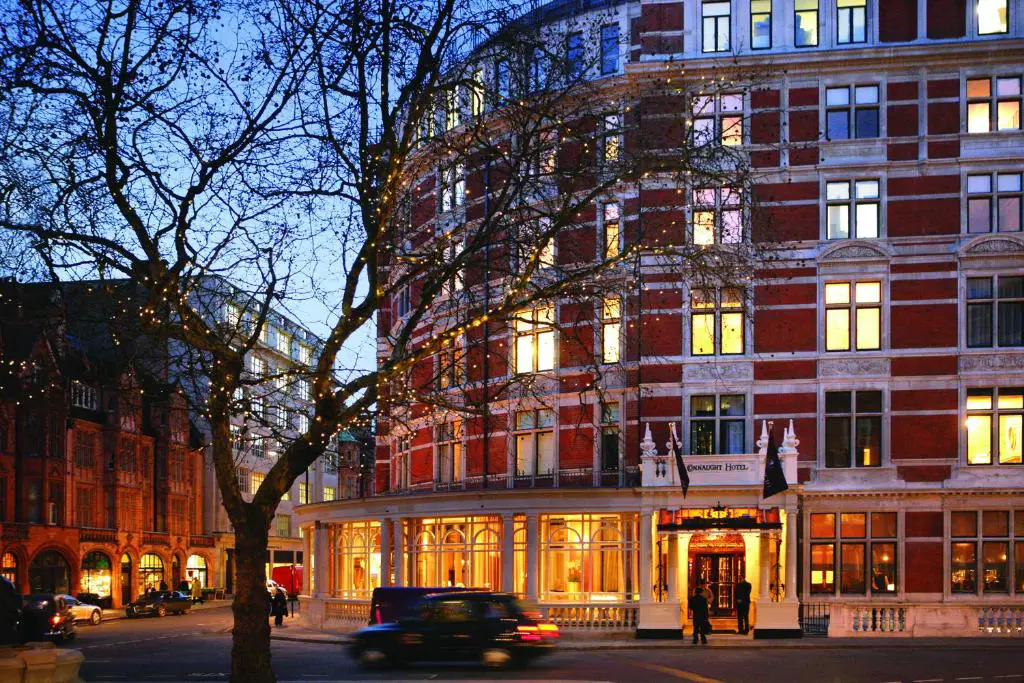
In the bustling heart of Mayfair, London, stands a true testament to refined elegance and unparalleled luxury—The Connaught Hotel. With its rich heritage, impeccable service, and unrivaled attention to detail, The Connaught has become synonymous with sophistication and has captured the hearts of discerning travelers from around the world. This iconic establishment offers a haven of tranquility and indulgence, making it a destination unlike any other in the vibrant city of London.

An Enduring Legacy

The Connaught Hotel has a storied history that dates back to 1815 when it was originally built as a private residence. Over the years, it has evolved into a symbol of timeless grandeur, attracting an elite clientele that includes royalty, celebrities, and influential figures. The hotel’s reputation for excellence has been carefully cultivated, and it continues to set the standard for luxury hospitality in London.


Timeless Elegance

Stepping into The Connaught is like entering a world of refined beauty and understated opulence. The hotel’s interior design seamlessly blends traditional British charm with contemporary sophistication. The public areas feature plush furnishings, exquisite artwork, and tasteful décor, creating an atmosphere of warmth and serenity. Every corner of the hotel reflects meticulous attention to detail, from the elegant corridors adorned with fresh flowers to the discreetly attentive staff who anticipate guests’ every need.


Exquisite Accommodations

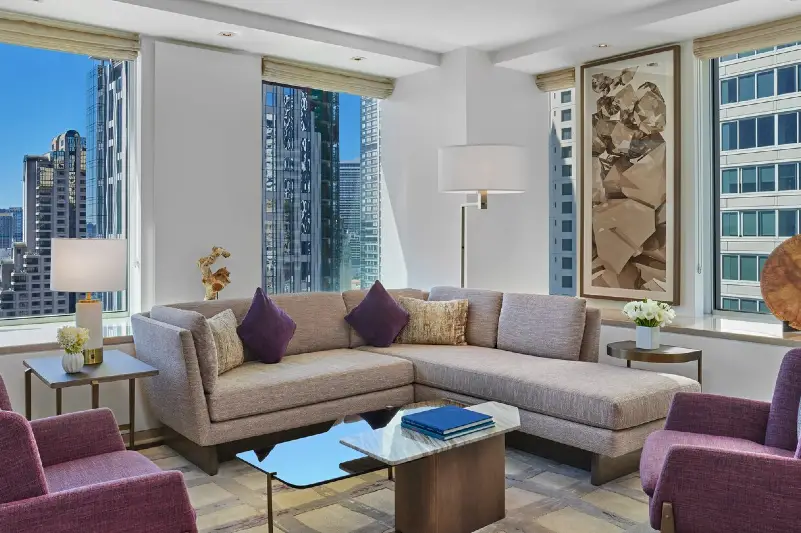
The Connaught offers a range of luxurious accommodations, each meticulously designed to provide an oasis of comfort and tranquility. The rooms and suites exude an air of timeless elegance, with sumptuous fabrics, bespoke furnishings, and modern amenities seamlessly integrated into the classic design. Guests can expect the utmost privacy and personalized service, ensuring a truly unforgettable stay in the heart of London.


Culinary Excellence

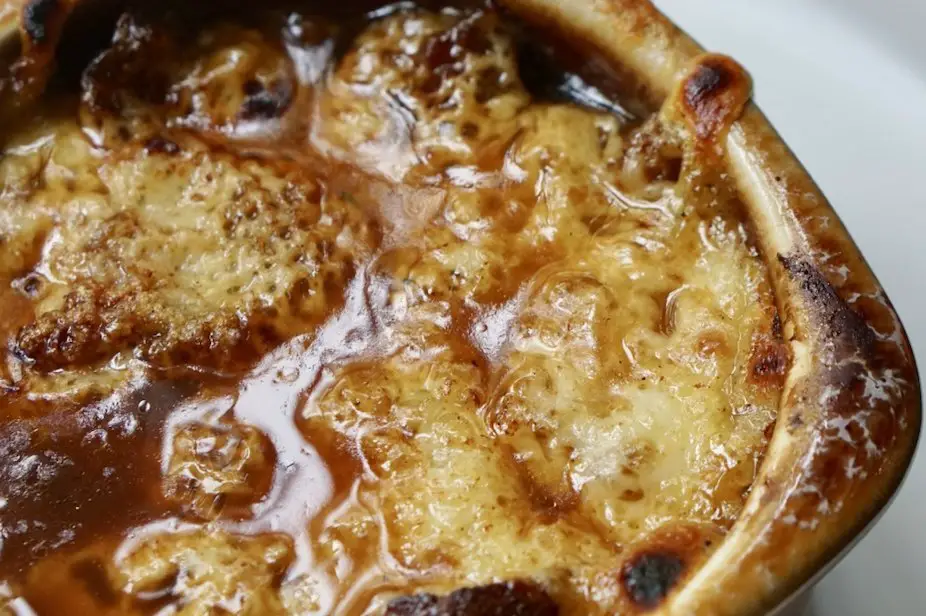
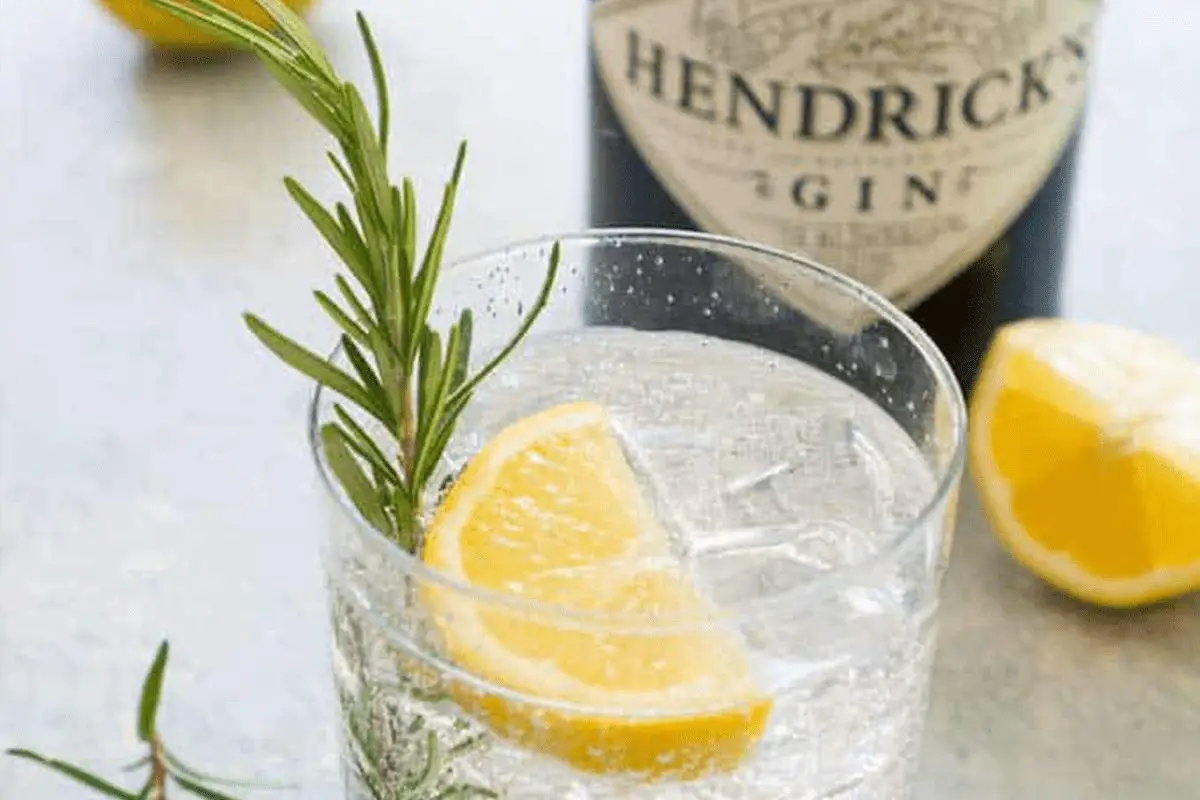
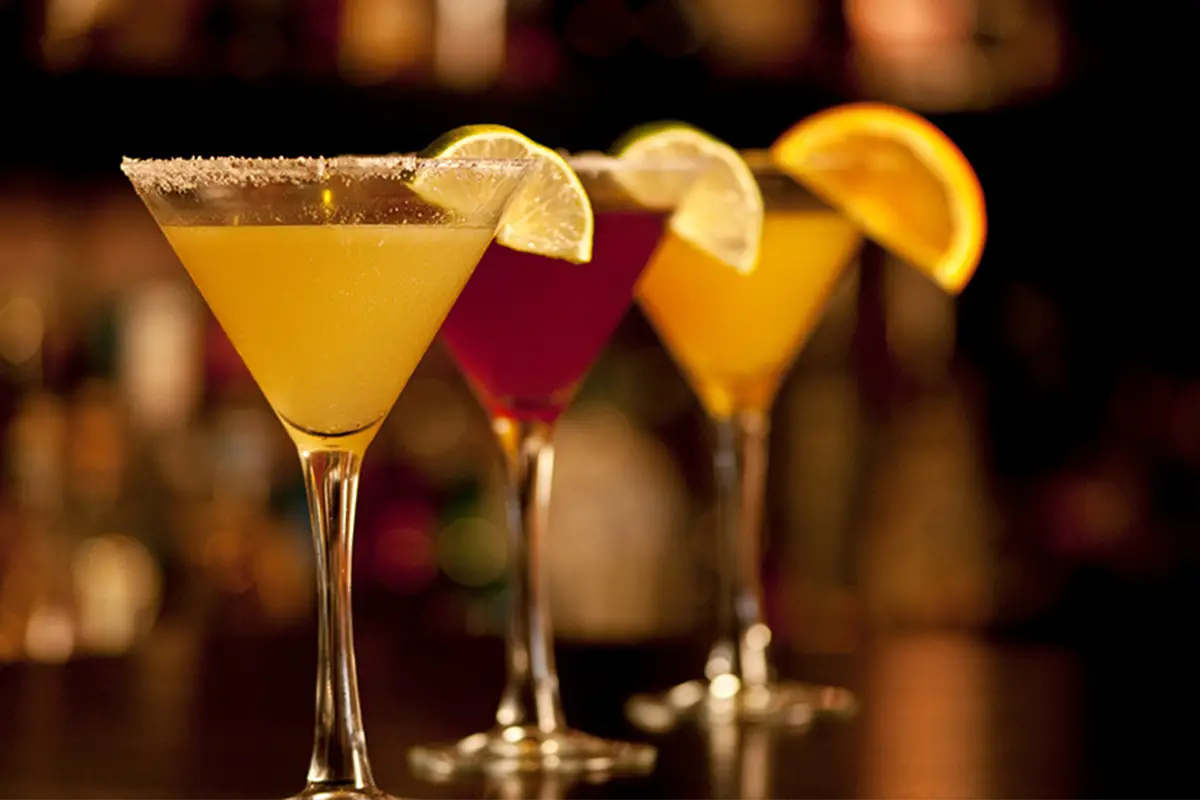
One of the highlights of The Connaught is its extraordinary dining experiences. The hotel boasts several acclaimed restaurants, each offering a unique culinary journey. At Hélène Darroze at The Connaught, guests can savor exquisite French cuisine created by Michelin-starred chef Hélène Darroze. The elegant surroundings and impeccable service complement the extraordinary flavors and artistic presentation of the dishes. For those seeking a more relaxed atmosphere, The Connaught Bar is a world-renowned destination for cocktail enthusiasts, where expert mixologists create innovative concoctions that push the boundaries of taste and presentation.


The Aman Spa

The Connaught Hotel takes pampering to new heights with its exclusive Aman Spa. Nestled within the hotel, this serene sanctuary offers a holistic approach to well-being, drawing inspiration from both Eastern and Western traditions. Guests can indulge in a range of luxurious treatments, including massages, facials, and rejuvenating therapies. The spa’s tranquil ambiance, coupled with the expertise of highly skilled therapists, ensures a blissful experience that rejuvenates the mind, body, and soul.


Unparalleled Service

What truly sets The Connaught apart is its legendary service. From the moment guests step foot inside, they are enveloped in an atmosphere of warmth and hospitality. The staff is dedicated to anticipating guests’ needs and providing personalized attention to ensure a flawless experience. Whether it’s arranging a private tour of London’s hidden gems, securing reservations at exclusive establishments, or simply delivering impeccable room service, the staff at The Connaught goes above and beyond to exceed expectations.


Mayfair’s Cultural Haven

Situated in Mayfair, one of London’s most prestigious neighborhoods, The Connaught offers easy access to a wealth of cultural attractions. Guests can explore the nearby art galleries, high-end boutiques, and world-class theaters, immersing themselves in the vibrant pulse of the city. The hotel’s prime

These are the Most “Googled” Travel Destinations in the World

Earlier this year TravelPulse parsed research from San Francisco-based luggage storage company “Bounce” to come up with an interesting take on the most googled cities for travel. In case you are wondering, Bounce enables consumers to book short-term luggage storage and package retrieval at local businesses throughout the world. It’s like Uber for luggage/parcel storage, complete with an app and easy lock/unlock access. While their core business may not seem entirely germane to travel data (like google searches) they have a research division and are in a unique position to provide granular insight into the travel space.


For their part, TravelPulse is a highly respected publisher of travel industry news, including in-depth editorial and key supplier and destination information that helps travel agents stay on top of their game. So we like the combined effort behind this research and the way in which it is featured.


So what is the most googled travel destination?


Note: While the data collected by Bounce was compiled earlier this year, we don’t think much has likely changed since then and thus is still worthy of your attention.


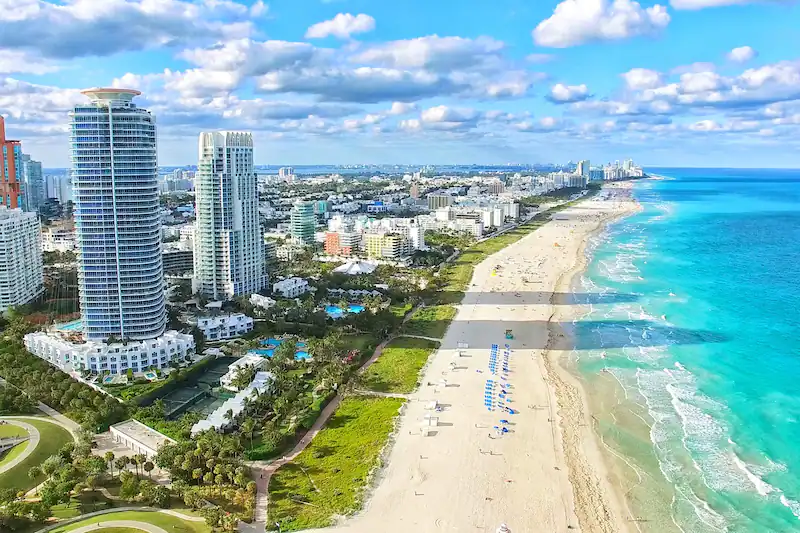
So what does the data reveal? It should not come as a huge surprise…Miami is the most popular destination for travelers! At least from one metric.


According to the research from Bounce, “Miami is the most popular city in the world when it comes to travel, ranking first for Google searches related to flights, hotels and vacations in as many as eight countries across the globe.”


While we like the angle Bounce has taken here—ranking popularity based on the number of countries who searched for this destination the most—it is a bit specialized and does not give the total, aggregate number of searches. When it comes to overall searches, regardless of where these people reside, “Las Vegas is easily the most popular city destination with 9,688,600 searches worldwide for flights, hotels and vacations” over the past year.


Interesting facts and findings:
  • Based on Bounce’s criteria for the most searched cities by specific countries, Miami finished 1st, Dubai 2nd, London and New York tied for 3rd place, while Las Vegas finished 5th.
  • The data that Bounce collected is not just Google searches on cities. It is specific to “airfare, hotels and vacations,” thus directly tied to travel to these cities and not just general information.
  • Dubai won the people of Poland, Romania, Ukraine, and Ireland in terms of most searches
  • London was the most popular search for people from Greece, Sweden and Iceland
  • New York won the people of France, Italy, Brazil, and the Dominican Republic


Our take away

It shouldn’t surprise anyone who travels frequently that Las Vegas and Miami received the most searches on google as both cities are uber popular right now and very popular for both vacationers and business travelers alike. Covid clearly slowed down the corporate outings in Las Vegas but that traffic is coming back in droves. And with a slew of new hotel casinos including the mega resort, “Resorts World”— the first integrated resort to be built on the Las Vegas Strip in over a decade—there are more options than ever for travelers to Sin City.


Meanwhile, Miami remains a favorite hot spot for both Americans and International travelers for obvious reasons. Beautiful beaches, great hotels and restaurants, a diverse international culture and great weather during the winter months—when most of the US is freezing—are just a few of the allures.


Our coverage of Miami and Las Vegas


Riding the Natural Vibes of 1 Hotel South Beach


The Miami Beach EDITION—Five Things I Loved and Two I Did Not


Best Hotel Bars in Miami


Turnberry Isle, Miami—Something for Everyone


Las Vegas Refresh


The Best of Las Vegas—Old and New


Healthy Travel Means Business


Family Friendly in Turks & Caicos

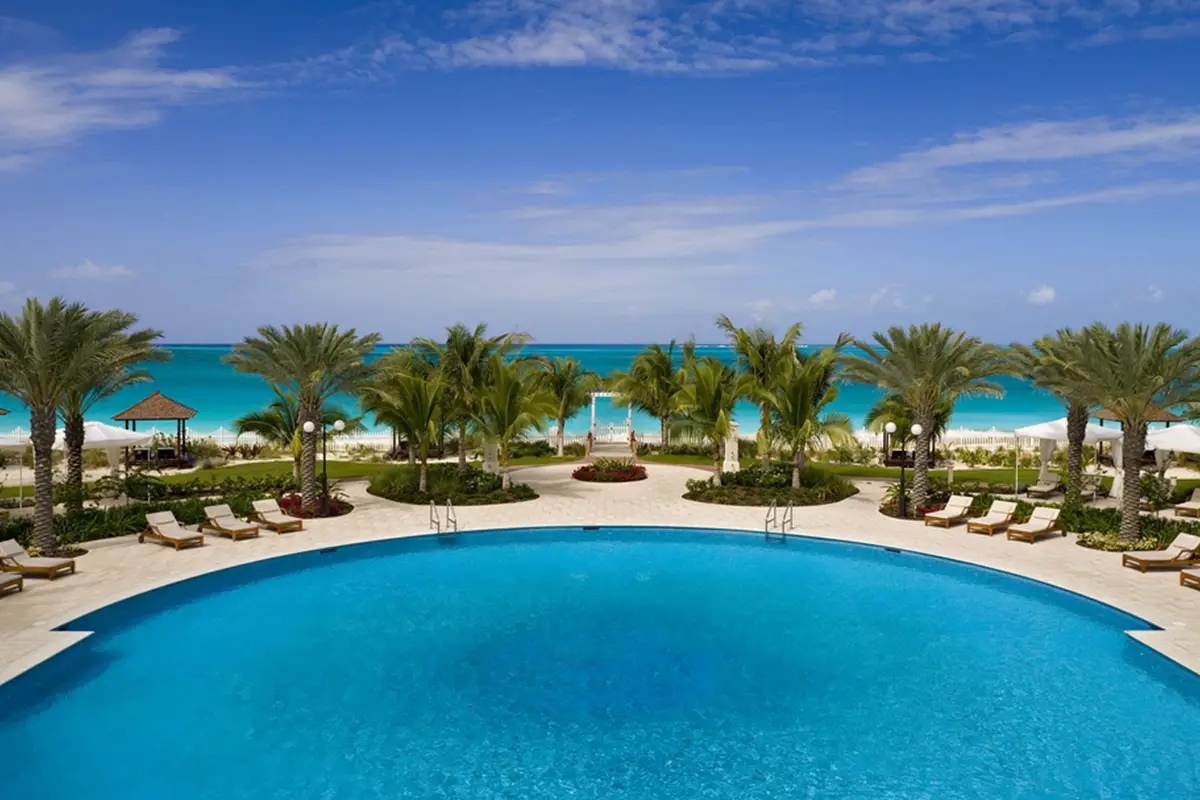
Turks & Caicos has been a hot travel destination for years, but more recently, family-friendly resorts – those with activities for parents and kids to enjoy separately – have been popping up along its beautiful beaches, making the locale more popular than ever.

Continue reading

Business and Pleasure at San Francisco’s St. Regis

Located in San Francisco’s bustling, entrepreneurial-laden SOMA district, The St. Regis San Francisco affords guests magnificent views of the San Francisco cityscape and quick access to the city’s business hub. Rooms feature stylish contemporary decor in creams and dark woods, with standard features such as flat-screen TVs, crisp Pratesi linens and deep bathtubs.  

str1511gr.142664_xx


Special Perks

Known for their timeless hospitality and sophistication this legendary San Francisco hotel is also known for their signature Butler services, a treasured hallmark of the St. Regis experience for more than one hundred years.  

str1511po.149454_xx

The hotel is also home to Remède Spa San Francisco, a Forbes Travel Guide ranked four-star spa in San Francisco and The St. Regis Grill which serves modern California cuisine in a contemporary setting.

str1511re.141347_xx
 

How This Mineral Water Went From Local Cult Favorite to Worldwide Phenomenon

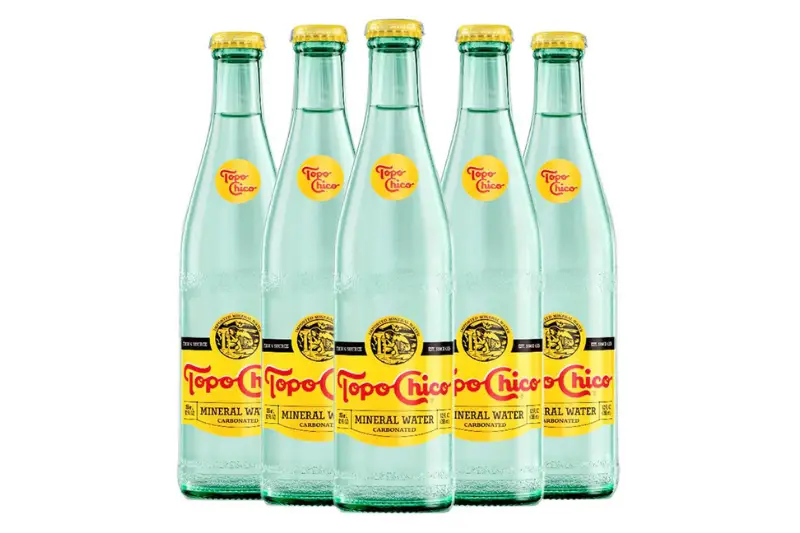
Founded in Monterey, Mexico in 1895 Topo Chico’s uber-bubbly mineral water is now a world-wide brand. The story of this seemingly innocuous sparkling water that was born in Mexico, raised in Texas and is now flourishing on multiple continents—thanks in part to its acquisition by Coca Cola in 2017—dates back over 125 years.

History of production and relationship with Coca-Cola

Speaking of its parent company Coca Cola, Topo Chico and Coca Cola have a relationship that dates back about 100 years. In fact, long before Coke acquired Topo Chico, Topo Chico actually acquired the licensing rights to bottle Coke in Mexico, roughly 100 years ago. Needless to say, they have been working with Coke for many years so it’s not a big surprise that Coke decided to acquire them.

When Topo Chico was founded in 1895, it sourced and bottled the water from a spring near a small mole-shaped hill that it was named after. “Topo” means “mole” in Spanish and “chico” means “small.” 127 years later, it still sources water from the very same “Cerro del Topo Chico” spring. 

The minerals matter

Topo Chico is not just ordinary sparkling water, like seltzer or club soda. It is actual mineral water, containing naturally occurring minerals and electrolytes like Sodium, Calcium, Magnesium, Potassium and Manganese. For comparison sake, “La Croix” sparkling water (another popular brand) is simply seltzer and does not contain any minerals. So what’s so special about these minerals? Sodium is needed for blood regulation (absence can cause serious impairment of bodily functions), regulates bodily fluids and transmits electrical impulses in the body; Calcium is an important nutrient and major component for bones and teeth; Magnesium aids in digestion, helps muscles recover and promotes a sense of calm; Potassium provides fuel for the heart and promotes kidney and nervous system function; Manganese is an antioxidant that benefits your bones and increases collagen production (healthy looking skin).

I’m not saying drinking Topo Chico everyday will solve any of your health problems but it certainly won’t hurt and the extra mineral intake could have some positive effects—if nothing else the electrolyte-laiden water will help keep you hydrated.

It now comes in 3 flavors but you may like the original

In addition to their original unflavored version, TC also comes in three litely flavored mineral waters; Twist of Lime, Twist of Grapefruit and Twist of Tangerine—all zero calorie. 


While Topo Chico’s flavored versions are quite popular, their original unflavored water tastes quite good too. The naturally occuring carbonation, while plenty effervescent (more on this in a sec), has a softer mouthfeel than other sparkling waters, as if the bubbles are smaller but greater in quantity, leading to a texture that is mellow and inviting. Also, despite the minerals, TC also has a very mild, neutral aftertaste, if any at all—something I would imagine most people want in a sparkling water. I know I do. Less is more when it comes to a water’s taste.

It all about the bubbles

While less may be more on the aftertaste, more is more when it comes to carbonation. Yes, Topo Chico’s secret weapon—you guessed it—is in its bubbles. Simply put, the naturally occering carbonation in Topo Chico is more explosive and lasts longer than other brand I have tried. No wonder it is a cult-favorite for consumers and bartenders alike who like a vibrant Vodka Soda or Tom Collins with ferocious fizz that doesn’t go flat.

Leave an open bottle of TC out overnight and the next day it will taste like you just opened it. And while all mineral waters naturally contain sodium—which can be off-putting to some people—the sodium level in TC is fairly low and provides a thirst-busting sensation (Gatorade’s secret thirst busting recipe has ample sodium for a reason).

What is Ranch Water?

You cannot make an authentic Ranch Water cocktail without Topo Chico. What is a Ranch Water you ask. It’s simply a tequila and soda with lime—a popular drink these days due to its low calorie, low hangover appeal. It is only a Ranch Water though if you use Topo Chico. It is also the unofficial cocktail of Texas—which is the unofficial home-away-from-home of Topo Chico. Yes, Texans love their Topo Chico and likely have played a big part in TC’s meteroic rise in popularity over the past decade.


Ranch Water Cocktail

Photo Courtesy: Valerie’s Kitchen


In March of 2021 Topo Chico released a lineup of Hard Seltzers onto the market—hardly a surprise in today’s hard seltzer crazed world. The flavors include: Tangy Lemon Lime, Exotic Pineapple, Strawberry Guava and Tropical Mango. Almost a year later TC released a new lineup of hard seltzer “Margaritas” (with salt, lime and tequila flavors) in four tropical flavors including Signature Margarita, Tropical Pineapple, Strawberry Hibiscus, and Prickly Pear. Seperately, during the same launch campaign, TC released their highly anticipated “Ranch Water” Hard Seltzer. Inspired by the taste of the popular cocktail recipe made famous by Texas bartenders, Topo Chico Ranch Water Hard Seltzer features real lime juice and a refreshing, crisp taste.


Topo Chico Hard Seltzer Margarita Variety Pack


Where To Enjoy Small Bites and Fun Drinks In NYC

A Higher End Happy Hour at These Popular NYC Restaurants

From $2 Osyters at The Standard East Village to Buratta Toast at Great Jones Distilling Co, You Can’t Go Wrong at These Top Spots

With the weather slowly cooling down, it’s about time for New Yorkers to enjoy the after-work hours, easily sipping libations with co-workers or friends. Sometimes, what you need is something exceptional, yet uncomplicated. Here are 5 of our favorite happy hours that will be sure to please:


Standard East Village


The Campbell At Grand Central—Still A Treasure Sans The Apartment

If you travel through Grand Central Terminal every day and find yourself scratching your head right now, don’t worry—that was sort of the point. Touted as one of Grand Central’s top hidden secrets by Travel + Leisure, this opulent space has never needed trickery to retain its speakeasy status.


The Campbell at Grand Central


Raw Bar Hopping – 8 Great Oyster Bars in NYC

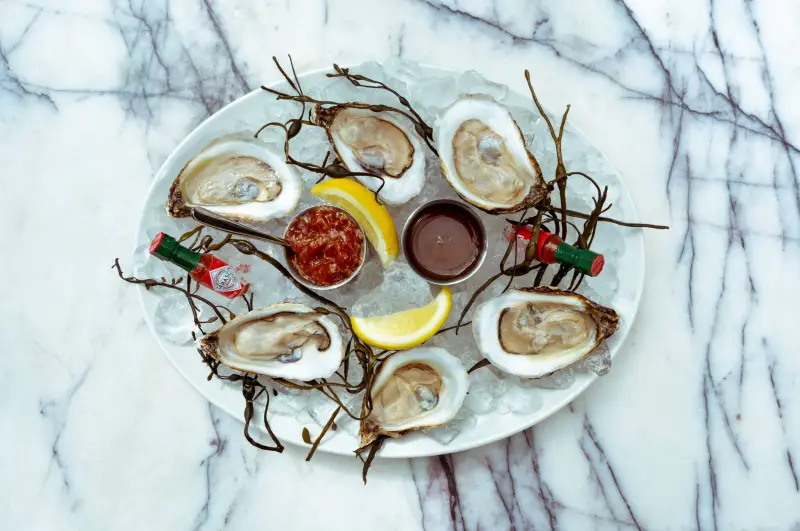
The most coveted oyster varieties from both North American coasts are appearing on the menus of Manhattan eateries in fresher, tastier and more robust selections than ever before. Here’s our list of top eateries in NYC shucking these delicious and ecologically powerful bivalves, and more.

Aqua Oyster Bar


6 Easy Rooftop Bars in NYC

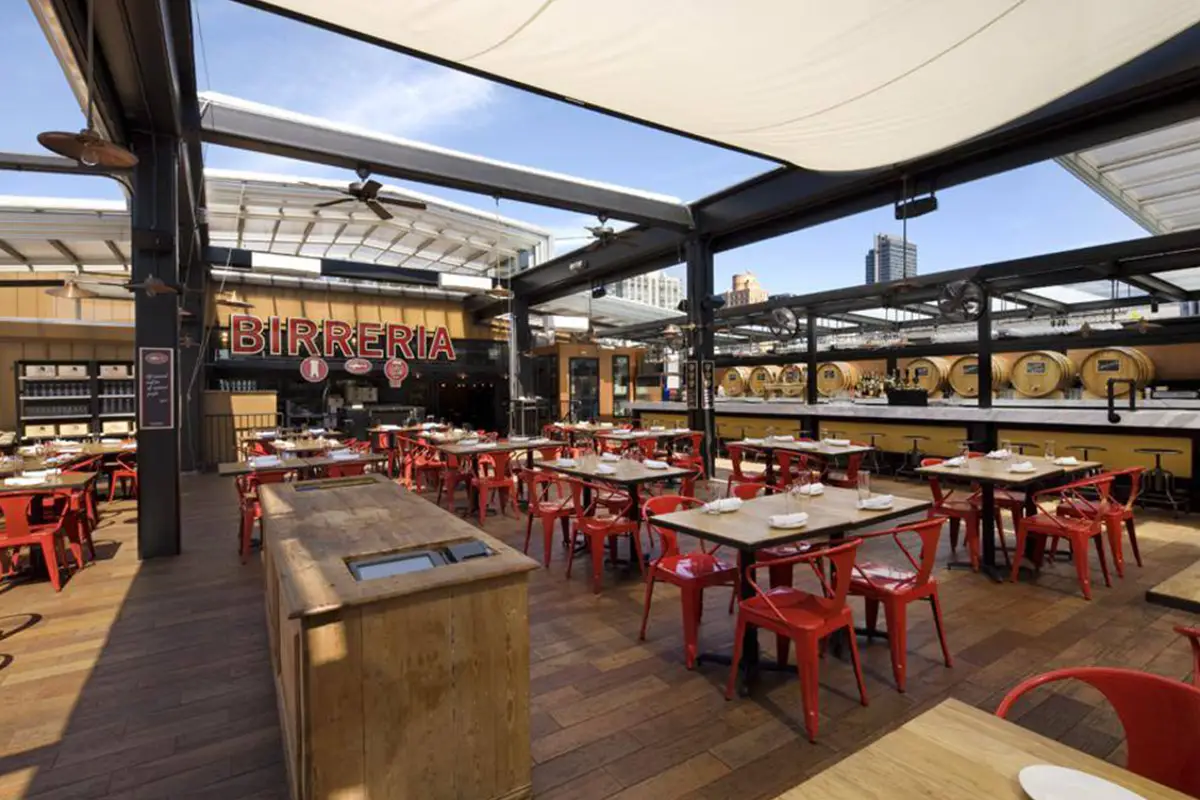
Like any good idea in New York City, once it’s out, everyone wants in. The proliferation of rooftop bars and restaurants in NYC has been a great thing, as many hotels, restaurants and building owners have realized just how valuable their rooftops really are.


The Refinery Hotel Rooftop

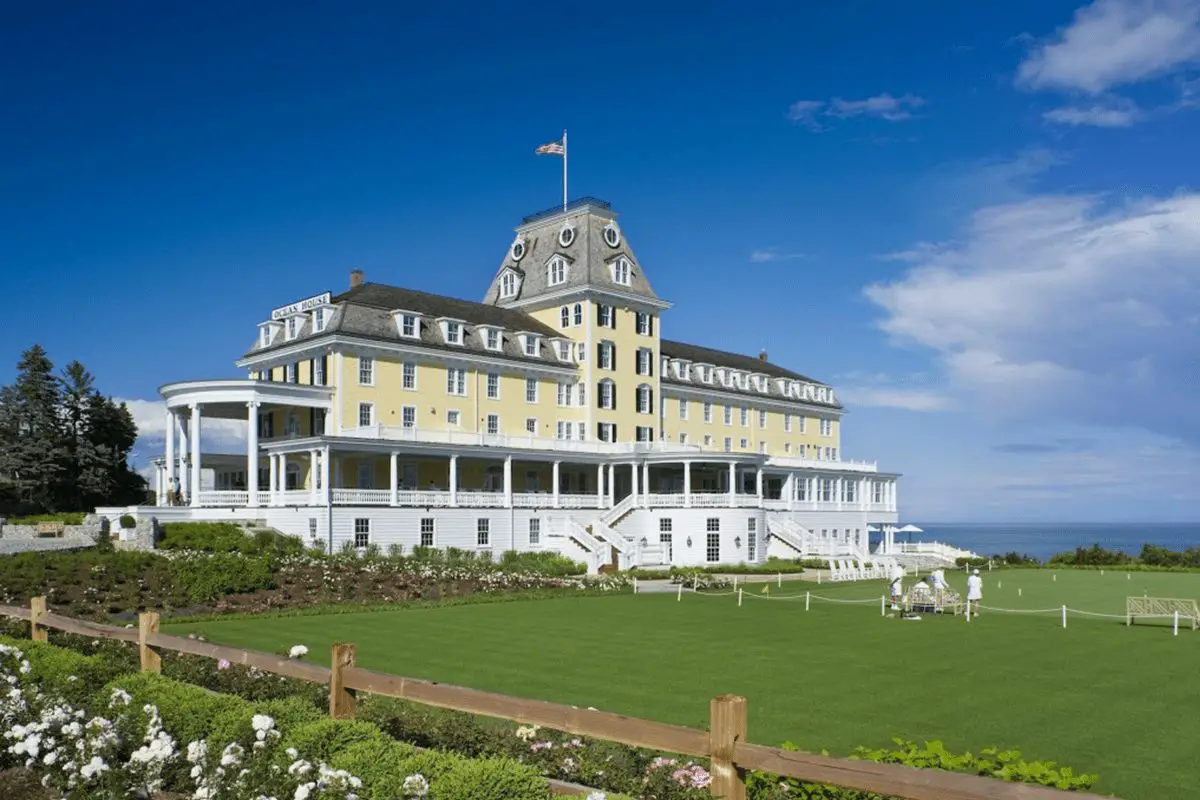
6 New England Beach Resorts to Stay at This Summer

While booking a summer rental has its merits, there is something about beach resorts—convenience, amenities and hospitality to name a few perks—that can make it much easier than hassling with the research and paperwork normally associated with summer rentals. Here are 6 resorts in New England that are sure to satiate your summer travel cravings, without any hassles. 

Continue reading

Celebrate and Learn About Massage Therapy on March 20th

March 20th is the United Nations’ “International Day of Happiness.” If being happy seems like an elusive goal after/in the COVID era, mark your calendar for March 20. Not only is it the United Nations’ “International Day of Happiness,” but the Global Wellness Institute (GWI) special massage initiative has named the same Sunday in March, “Global Massage Makes Me Happy & Healthy Day.”


Do you love a good massage but ever wonder if there is any scientific evidence of its efficacy or even what type of massage—Sweedish, Deep Tissue, Sports—you should even be getting? The public is invited to join an hour-long online event on March 20 where an array of experts will share 2022 wellness and massage trends and highlight the scientific reasons why the ancient practice of massage is beneficial for mind and body. Join the event via Zoom with:


Meeting ID: 882 1433 1601

Passcode: 076484


According to GWI, research shows that massage supports physical and emotional well-being, so in other words, massage creates HAPPINESS. It’s a bold and needed statement in a time when people have been purposely physically distancing; when single-person households are on the rise; when the #metoo movement has made many more wary of touch and when the majority of the population gives more attention to their screens than to connecting with people around them.


March 20 is a chance to connect in a healthy way. Ask your local spa or massage center about special offers honoring the day that celebrates this ancient, cross-cultural practice and caring therapy. “After 40 years of research,” explains Dr Tiffany Field, Founder & Director of the University of Miami School of Medicine’s Touch Research Institute and medical spokesperson for the GWI Massage Makes Me Happy Initiative, “we have yet to find a chronic or systematic human malady that massage does not aid.”


A much sought-after expert for media interviews during the isolating months of the COVID lockdown, Dr. Field first entered the public conversation when she visited orphanages in Romania and found that the children’s stunted physical and emotional growth was directly related to a lack of touch. Since then, her Touch Therapy Institute has completed over 100 studies on touch and massage, documenting benefits including: Enhancing growth and development of preterm infants; Reducing depression, attentional disorders and pain syndromes; Increasing immune function in chronic illnesses.


“Dr. Tiffany Field has always been a wellness rockstar for me,” explains Global Wellness Summit Podcast Host, Kim Marshall. “From when she first visited Romanian orphanages in the early 90’s and found out that the lack of being cuddled and touched was actually stunting physical and emotional growth for the infants and then went on to do groundbreaking work in the U.S. proving that massage helped preemies gain weight faster and thrive, it was clear that the benefits of wellness and touch were much more than a ‘feel good’ idea.  I am convinced that massage saves lives, and also that we’ve never needed compassionate and healing touch more than right now in human history.”


Presenters during the 1-hour Online MMMH event include:

-Susie Ellis, Founder, Global Wellness Institute & Global Wellness Summit

-Dr. Tiffany Field, Ph.D., Director/Founder of the Touch Research Institute

-Jeppe Tengbjerg, Founder and CEO of The International Massage Association

-Karen Short, CEO Universal Companies

-Luke Massery, CEO Scrip Companies

-Jim Chenevey, CEO Earthlite

-CG Funk, Sr. VP Culture & Industry Relations Massage Heights

-Lynda Solenin Wolf, Chair, MMMH Initiative and President, Solwolfe Resource Group, Inc.


A Midtown Mainstay for the Fashion Forward Traveler

Once home to a Garment District hat factory, the Refinery Hotel maintains its industrial aesthetic and fashion heritage with an updated sense of luxury. The decor is sleek and modern, yet inviting and comfortable. The location is convenient, and just steps from Bryant Park.

Drawing inspiration from their storied past, each of the spacious rooms at Refinery Hotel feature industrial accents such as 12-foot ceilings and distressed hardwood floors. While the 197 rooms call attention to the Colony Arcade’s early life as a hat factory, modern amenities like free WiFi, Noir bath products, and a mini bar stocked with Dean & DeLuca gourmet foods and local Hudson whiskey provide luxurious comforts.  


Serving breakfast, lunch, brunch, dinner and cocktails in a nostalgic atmosphere, Parker & Quinn, The Refinery’s main restaurant, features classic design touches from the building’s early life as a working factory. Executive Chef Jeff Haskell takes a straightforward and rustic approach in his kitchen, relying on high-quality and locally sourced ingredients to produce balanced, approachable American dishes.  

The Refinery Rooftop, however, is the crowning jewel of the space; a rooftop bar and lounge featuring over 3,500-square feet of cinematic views of the Manhattan skyline and Empire State Building. A cozy interior space is complete with fireplace, water feature, and wooden ceilings constructed out of wood salvaged from the original building’s water tank. An expansive indoor/outdoor space capped by a retractable glass roof, an outdoor terrace with porch swings, and spectacular city views from every direction make the Refinery Rooftop one of the most dynamic and tasteful (if not a bit lavish) rooftops in the city.  


Lunch menu favorites on the Rooftop include Seared Yellowfin Tuna, Grilled Hanger Steak Flatbread and the Little Gem Caesar salad with watermelon radish and frico. At night, lively crowds gathers for signature cocktails developed by In Good Company mixologists with a focus on natural ingredients paired in surprising and refreshing combinations.

63 West 38th Street New York, NY 10002

Dining Departures

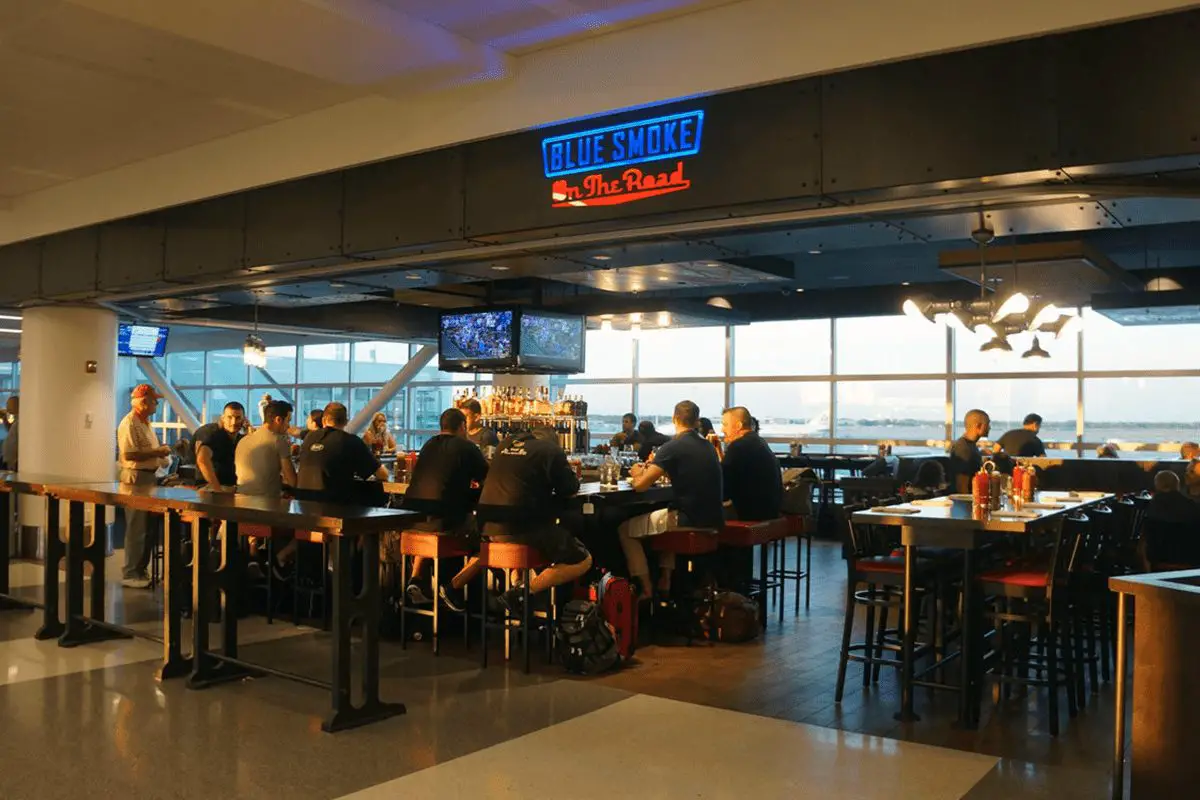
The Best U.S. Airport Terminals To Be Stuck At 

Delays at airports are not as woeful as they used to be. That is, if you are lucky enough to be stranded in a choice terminal replete with the type of trendy dining and watering-hole options that rival our very cities. If you find yourself in an airport for an extended period of time this coming holiday season—or any time for that matter—hopefully it’s at one of these terminals.

Continue reading

7 Farmers Markets To Visit This Summer

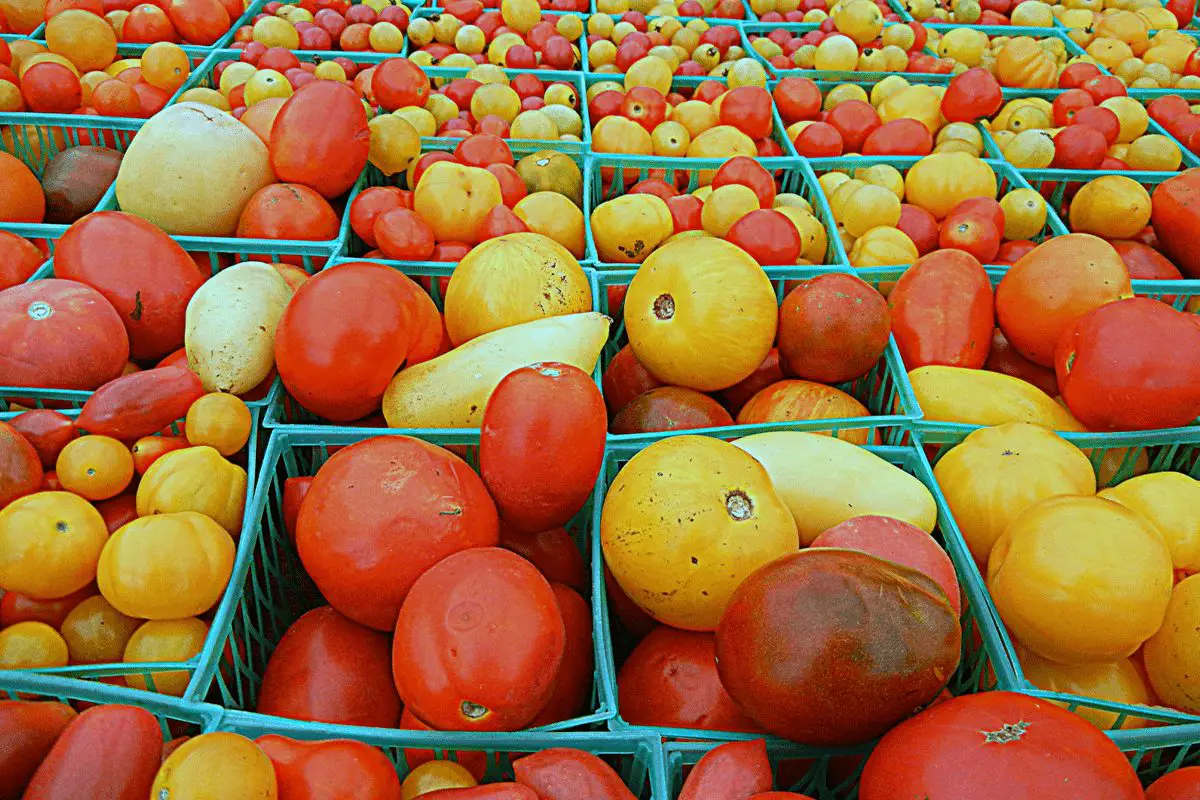
It seems to be basic human nature to take everything outdoors in the summer. Answer us this: Why dine at the kitchen table when you could have a barbecue out in the sunshine? Who hits the treadmill when they could take a breezy sunset jog? It’s simple – when the weather’s nice, we want to be out in it, absorbing all that wellness-inducing vitamin D. Continue reading

Wellness Trends for 2021

The Global Wellness Institute—an international organization that brings together leaders and visionaries to positively impact and shape the future of the global wellness industry—recently released their “9 trends for wellness in 2021” at their annual summit. Here they are:


Hollywood and the Entertainment Industries Jump into Wellness

If wellness programming on TV (whether Oprah or the Goop Lab) has been about wellness as a topic you passively consume, the future is TV content and platforms that involve and impact you. Smart TVs are baking wellness “channels” onto their home screens: Samsung TVs launched Samsung Health, letting people binge 5,000 hours of free fitness/meditation classes from the buzziest brands. The future: smart TVs (like Apple’s) that connect to your health wearable (like Apple Fitness+) to serve up personalized wellness/fitness experiences right on your TV. Wellness companies are becoming full-blown TV studiosMega-meditation-apps, Calm and Headspace, recently scored TV shows (HBO Max and Netflix), translating their meditative experiences into immersive television. Meditation apps with TV series? Unthinkable just two years ago. China is perfecting the marriage of wellness TV programming and e-commerce, and Waterbear Network is a new “Netflix” for climate activism.

The ways that music is being created for stress, sleep, focus, a better workout, or just trippy, ambient bliss…has kicked into high gear. It’s a paradigm shift: If music has always been consumed around artist, song and genre, now it’s “serve me music-as-therapy.” Meditation apps are becoming big wellness music “record labels,” and more apps are launching, specifically focused on music-for-wellbeing. Generative music technology—where your biometrics meet neuroscientist-designed sound—will take sound-as-precision-medicine to radical places. And not surprisingly, celebrities are now all over wellness, not just as spokespeople but as company founders, execs and major investors.

The Future of Immune Health: Stop Boosting, Start Balancing


We join many forecasters in naming immune health a 2021 trend, not only because we agree that it will remain a consumer obsession post-vaccine but because the main ways the wellness industry has been addressing it are…flat-out wrong. In 2020, people were blitzed with “immune-boosting” supplements, foods and therapies, but the idea that you can “boost” your immunity is unscientific nonsense, and “more boosting” is precisely the wrong approach. The future: approaches that lead to immuno-stabilization, immuno-balance.

We will see more evidence-backed approaches to immune health, with metabolic health, the microbiome, and personalized nutrition becoming crucial—along with more experimentation with everything from “positive stress” experiences to intermittent fasting for immune resilience. And immunity programs at travel destinations will go deeper, more medical, with interventions that matter more than “immune-boosting” menus and IV drips.

After a long 2020, people are aware that their immune health is a holistic affair, that food and the microbiome are lynchpins, and that “slow” not “hyper” strategies are the difference-makers. People will keep gobbling trendy quick-fixes in trendy bottles, but they’re ready for more. A wellness industry newly focused on the hard—and fast-evolving—immune science could extend and save many lives. And help its own reputation along the way.

Spiritual and Numinous Moments in Architecture


In recent years, a storm of studies has demonstrated the powerful connection between the built environment and our physical health, and a new “wellness architecture” sector has taken off, heavily focused on functional design moves, whether circadian lighting or air purification.

What has been glossed over is design that can tap into and nurture our spirituality. In 2021, we will see new attention paid to creating everyday spaces that can incite sacred and numinous moments, that elevate our consciousness and potential, and ground us in gravitas in the midst of a mindless, consumerist society. Architecture and design will move up Maslow’s Pyramid, from our recent era of look-at-me, visually ostentatious fads like luxury McMansions to a new architecture reaching for the “Self-Actualization” tier—a built environment that can move our souls.

Spiritual wellbeing is an inextricable part of a well life and rightfully deserves more design consideration and designated spaces in our homes, workplaces, communities and urban landscapes. The full report gives rich detail on examples, including thin places, ancient revivals, “nudge architecture,” and creating spiritual homes.

Just Breathe!


Contrary to popular belief, you don’t need to know where your chakras are or what a didgeridoo sounds like to do breathwork. An increasing number of clinical studies from major universities like Harvard, Stanford and Johns Hopkins are putting science and data behind something we’ve actually known for centuries—the way we breathe has profound effects on our mental and physical health and abilities. It might even help us strengthen our immune systems.

Practitioners are bringing breathwork to ever-larger audiences and pushing it into fascinating new territories, including rehabilitation, fitness, community building, and relief from chronic stress, trauma and PTSD. Cool, clubby breathwork parties and festivals are rising. There are even studies that point to breathwork as a possible therapeutic for one of the world’s deadliest diseases: hypertension. Perhaps the best part of all—this drug-free medicine costs absolutely nothing.

The full report explores the people, the techniques, the places, and the new breath-tech pushing the practical magic of breathwork into exciting—and important—new directions.

The Self-Care Renaissance: Where Wellness and Healthcare Converge


Over three hundred years after the first Medical Renaissance, we’re undergoing a new kind of medical renaissance where two complementary yet often competing entities—healthcare and wellness—will converge. Wellness is learning to lean into science, establish standards, and hold itself accountable. At the same time, healthcare is beginning to borrow from the wellness playbook—transforming a once sterile and strictly curative industry into a more holistic, lifestyle-oriented, and even pleasurable one. In this new era, hospitals will take inspiration from five-star resorts, yoga studios might measure improved telomere length, and prescriptions may be coupled with hyper-personalized guides to optimal health.

As we look to a future where healthcare and wellness converge, an excellent example in the full report is Octave’s Sangha Retreat in Suzhou, China, which presents what we believe is next for healthcare and wellness. A kind of yin yang approach where two seemingly opposing forces finally discover that they can—and must—work together. As Dr. Kenneth R. Pelletier puts it, “Medicine is realizing that its roots have come from wellness traditions, and the wellness community is recognizing that not all doctors are evil.”

Adding Color to Wellness


Graphic videos and the protests of last summer prompted many businesses to voice support for anti-racism. While diversity and inclusion have become a popular topic in the wellness industry, this

trend argues that to generate substantive change, the wellness industry must recognize and address the false narrative that wellness is for affluent white people. It discusses how the industry can add color to wellness by valuing Black consumers and wellness professionals and describes the different ways that Black people actually experience wellness offerings and spaces, highlighting racial inequalities.

This full report also provides insights into the future, illustrating how companies are changing the wellness narrative, and gives suggestions for how the wellness industry can add color to wellness. And it demonstrates that companies that value wellness for all racial groups and income levels will thrive as they expand their consumer markets and increase business innovation and profitability. Wellness enterprises that value diversity, respect Black wellness needs, and work to support more equitable access, represent the future of wellness.

Resetting Events with Wellness: You may never sit on a banquet chair again


Around mid-March 2020, the pandemic brought in-person events to an abrupt halt. And no matter the power of technology and the gratitude we felt for Zoomed Wi-Fi connectivity, the world hungered for personal interactions.

But there was a silver lining: A new trend that will forever change meetings and events was born, with wellness at the core. New hybrid events (in-person and virtual gatherings) sprouted like mushrooms after a spring rain. Technology companies raced to be the platform for hosting hybrid meetings. Investors threw money at tech companies, and within months of the pandemic shutting down most in-person-only gatherings, new companies had taken hold, and a new world was emerging.

As the full report explains, the trend reinforces top-of-mind topics like health, safety and immunity and employs new protocols and technologies that mitigate risk in engaging ways. In 2021 and beyond, creativity is driving connection—and how we gather is taking on new—and healthier—meanings.

Money Out Loud: Financial Wellness Is Finding Its Voice

Money has topped the “do-not-discuss” list for decades—right alongside religion, sex and politics. But it’s 2021, and transparency is trending. A culture craving authenticity is breaking the money taboo—transforming finance from a hush-hush, one-size-fits-all, cut-and-dry industry to one that’s more human, empathetic, and, dare we say, fun.

This growing openness is being driven by a much larger mental health awakening. And with research linking financial stress to anxiety, depression, high blood pressure, respiratory conditions and more—it’s about time money is put under the microscope.

This growing financial wellness movement is moving money talk far beyond the bank. Financial therapists are tackling the intersection between money and mental health, and the three billion views of #personalfinance content on TikTok prove that finance influencers are officially a thing.

In 2021 and beyond, we’ll begin to see the end of financial systems designed to profit from our failure and the start of financial wellness awakening. Money talks. It’s time we start using a language everyone can understand.

2021: The Year of the Travel Reset


The coronavirus pandemic acted as a near-complete brake on travel in 2020. The pause gave everyone—consumers and suppliers—the opportunity to think about rebooting travel for the better by correcting overtourism, becoming more conscious of where our money goes, and how to use the enormous power of tourism to sustain cultures and environments and perhaps even leave them better off.

Looking ahead, the year 2021 may be the year that all travel becomes wellness travel. From the manic travel of 2019, which was the ninth year of record-setting growth in travel, outpacing global economic expansion, 2021 will be the year of the travel reset, going slower, nearer and more mindfully. But travel will reset fitfully, mirroring the vaccination rollout, which has prompted optimism as well as tentativeness.


Herbal Remedies

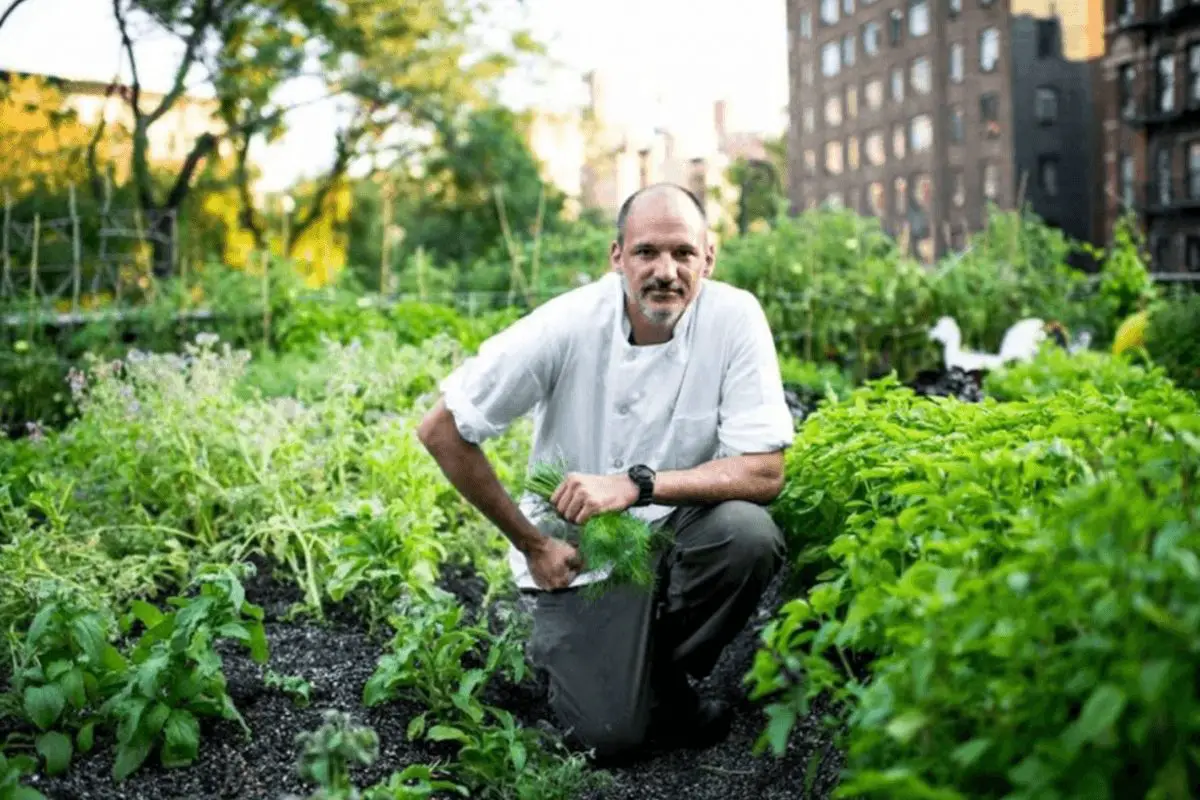
One of the greatest elements of summer is the garden–may it be on a rooftop or balcony, in a backyard or wherever else the sun shines. There’s nothing like grabbing a ripe tomato from your garden and putting it directly into a salad. But summer’s spoils are not just relegated to the dinner table. Continue reading
Restaurants’ Secret Gardens

5 Great Farm-to-Table Restaurants With On-Premise (Or Nearby) Gardens

The slow food revolution continues to sweep across the country. While restaurants in Europe and elsewhere have been utilizing locally sourced produce, meat and dairy for some time, Americans were slow to catch on. Beginning decades ago with activists like chef Alice Waters (Chez Panisse) restaurateurs around the country are continuing to realize the benefits of buying locally, whether its to help local farmers and purveyors or to have fresher and more beneficial foodstuff. If you live near a large city, chances are, you’ve eaten at a farm-to-table restaurant.

Continue reading

Last Minute Beacher

Five Easy Northeast Beach Towns For Last Minute Travel

While booking a summer rental—in advance—is usually the best way to get your beach fix on, last minute weekend trips to the beach are a reality for most and can provide exactly the kind of whimsical lift your soul needs—if you pick the right town. Continue reading

Margaritas de Mayo

It’s that time of the year again; you know, when you celebrate a holiday for no other good reason except to get your drink on! We’re talking about Cinco de Mayo, and in Southern California you can find a good margarita just about anywhere. It’s the great ones that might take some serious bar-hunting to find, and luckily for you, we’re willing to do the leg work. Continue reading

A Juicy Secret

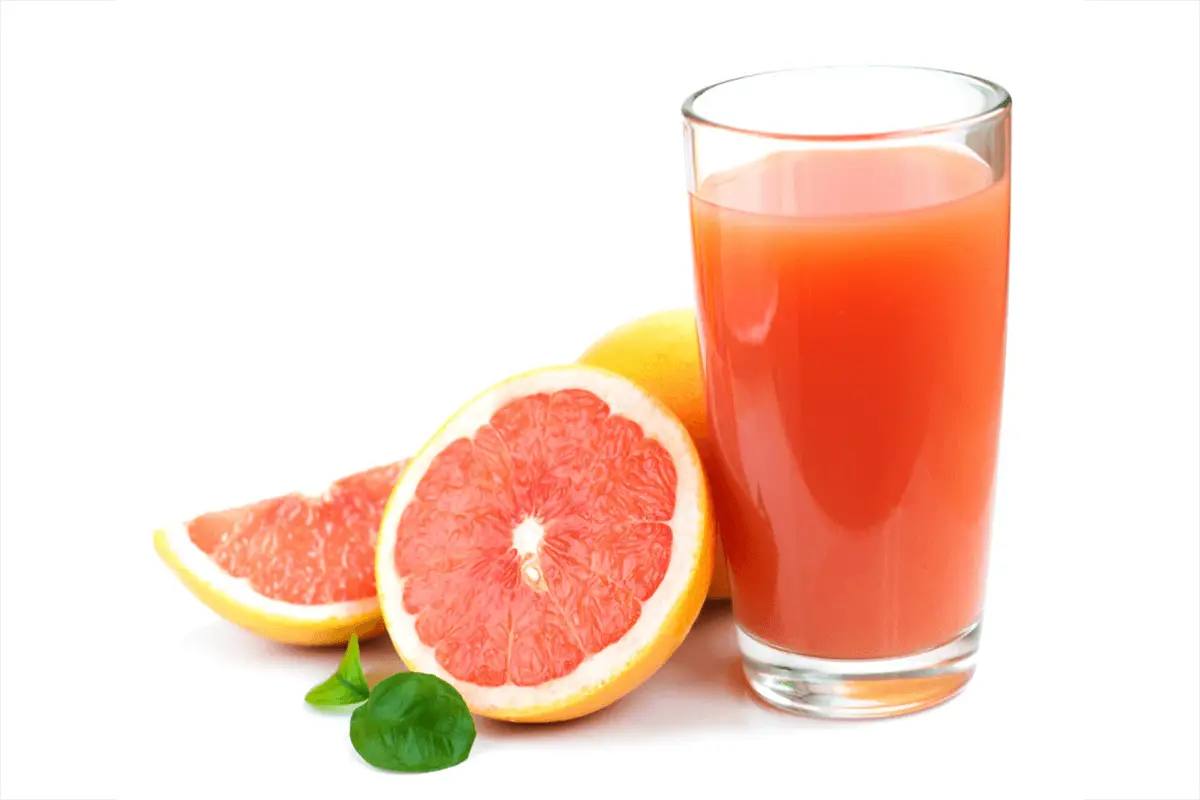
Should Starbucks sell grapefruit juice? If you’ve read Tim Ferriss’ New York Times Best Seller “The 4-Hour BODY” you might recall his mention of grapefruit juice and its effect on caffeine. While Ferriss himself is not generally in favor of much fruit or fruit juice in his diet, he does mention the benefit (or detractor, depending on your viewpoint) of a certain flavanoid found in grapefruits which extends the fat burning properties of caffeine.

Continue reading

Lovely Bones

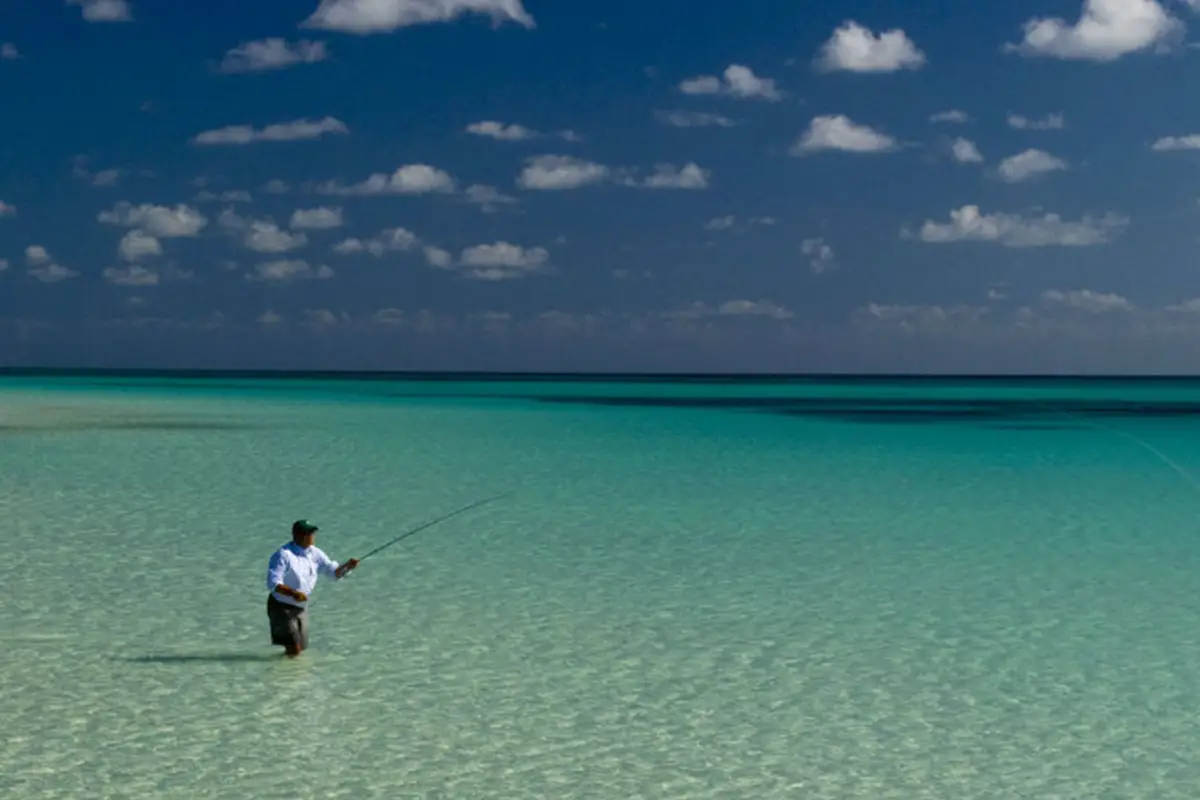
Maybe you’ve come to Miami to rest and relax in the sun. Or perhaps you fancy the vibrant nightlife. No matter your business, it’s important to note—especially for you restless souls who grow tired of sunbathing—that a fishing mecca lies only a few miles south in the Florida Keys. Continue reading

From Farm or Sea


The woman in the light blue shirt is raising her hand and I anticipate her question before the words leave her mouth. “All wild fish are unsustainable, right? So we should eat all farmed fish, yes?” I’m in Edmonds, Washington, teaching a cooking class on sustainable seafood. We’re only three minutes into the class and I’m already poised to clear up some major misconceptions.


I tell the class that I wish there were some hard and fast rules to navigate this new world; a world in which all-you-can-eat sushi bars and 365-day-a-year global fish availability mask issues of dwindling wild stocks and polluting offshore farming operations. The answer to her question is: It depends.


Many species of wild fish are doing quite well. Certain states, such as Alaska, prioritize sound fisheries management to preserve fish for future generations. West coast albacore, Pacific halibut, spot prawns and the five species of Alaskan wild salmon are examples of wild fish that are great choices. Still, other options exist. Squid, wild sardines, pink shrimp, crab and lobster don’t seem to be threatened. Other wild species, such as bluefin and yellowfin tuna, eel, aka unagi and grouper, for example, are, unfortunately, not doing so well. Demand is too high and our tools for catching fish too efficient. Wild fish don’t have a fighting chance, unless we can control our appetites and fisheries managers can prioritize conservation.


The most environmentally sound way of fishing is in smaller, focused quantities. Examples include trolling also known as “hook and line,” which is essentially the commercial version of dipping a fishing pole in the ocean, catching shrimp or crabs in a pot, and small scale purse seining (a net that encloses a school of fish), among other techniques.


Other methods are not as ocean- and fish-friendly: fish caught by trawling and certain kinds of longlining. Trawling harms the ocean floor by dragging heavy weighted nets across it. Trawling also produces a lot of bycatch, which is when species not intended to be caught are accidentally caught and killed, causing their populations to dwindle. Longlining drags a multitude of lines and hooks, often for miles on end. The worst way to longline is on the top of the ocean column. The lines sit on the surface of the ocean and unintended species get hooked (turtles, birds, etc.) in the process. After so much time on the line much of what’s caught can be dead when it’s finally hauled in. Alas, not all longlining is the same and major exceptions exist. Longlining along the bottom of the ocean, such as in Alaska’s sustainable halibut and black cod fishery, has a much better track record of catching intended species.


But what about farm-raised fish? Is this an option for environmentally conscious consumers? Some types of farmed seafood are extremely sustainable. Farmed shellfish doesn’t require wild fish feed to grow so there is no negative drawing of species (protein loss) from the oceans to convert to feed to run a shellfish farm. The same can’t be said for carnivorous fish farms. Farmed shellfish, just like wild shellfish, filter feed, contributing to better water quality. Few decisions are this simple: shellfish, like oysters, clams, and mussels, make the oceans cleaner.


Not all farmed fish are sustainable, however. Offshore farming operations, such as most Atlantic salmon farms, cause huge problems. Think of it this way: if there was an outbreak of disease among a group of people on an island where no ferries and no bridge existed, the disease would be self-limiting and contained. Compare this to a disease breaking out in the middle of New York City. Pretty limitless how far that disease could spread, yes? Mixing and mingling high-density fish farms right in the middle of wild fish ocean migration routes carries with it all sorts of environmental consequences including escapement, pollution and the spread of disease. The ocean is an extremely efficient distribution medium. Closed containment a.k.a. land-based farms are a lot less environmentally risky. Opt for rainbow trout and arctic char farms.


The important questions to ask when buying fish are: what is the species, where was it caught and how was it caught? Resources such as the Monterey Bay Aquarium’s Seafood Watch Program and sustainablesushi.net are invaluable. A good rule of thumb is to buy domestic as we have far stricter environmental laws when compared to most other countries (Thailand, China, the Philippines, etc.) that import fish into the United States.


Sustainable seafood is a hot topic and American consumers are looking for simple answers and guidance around an extremely complicated subject. Many supermarkets, fishmongers, fishermen, chefs and restaurants are making the future of our oceans a priority. Find them, support them.


Becky Selengut


Becky Selengut is a private chef and co-author of the Washington Local and Seasonal Cookbook (Lone Pine 2008). Selengut has another book coming out in 2011 called Good Fish on sustainable seafood. You can find more of her work at chefreinvented and on Twitter at: @chefreinvented


Cade Winery, Leed-ing the Way in Napa Valley

 Cade Winery of Angwin, California, is the first of its kind to win the GreenLux Award, for not only being ahead of the curve in terms of environmentally friendly business, building and farming practices, but for proving that a winery can adopt such practices without sacrificing the opulent atmosphere and calibre of product that make it high-end.


Cade’s strong commitment to the environment shines through in its Gold Leadership in Energy & Environmental Design (LEED) certification. The winery has raised the bar on energy efficiency, having managed to reduce its overall water consumption by 67 percent and meet 99 percent of its energy needs due to the array of solar panels installed. Natural ventilation and the mostly concrete structures help cool the building while the cool-roof system on all buildings decreases the heat island effect.


In the construction of Cade’s facilities, architect Juan Carlos Fernandez of Lail Design Group together with Grassi Construction and Summit Engineering, few new pre-consumer building materials were used. This ambitious goal resulted in 65 percent of construction waste being diverted from landfills by incorporating recycled and reclaimed materials into the build-out. The steel beams are made from 98 percent recycled steel and all wood components come from sustainably harvested wood certified by the Forest Stewardship Council.


One would never know while strolling through the property that some of the structural support is made of recycled glass bottles, the insulation of blue jeans and the beautiful outdoor patio table of reclaimed bridge trestles. It’s all just a part of the rustic chic look of Cade, which embodies sustainability.


Apart from the built environment, the breathtaking physical surroundings make you feel an almost instant connection with nature. This probably has much to do with the 60 percent of the natural landscape on the property that has been purposely left untouched to support biodiversity.


Step inside the contemporary, elegant hospitality room at which you can leisurely sip on a stemless glass of the recently released 2007 Napa Cuvée Cabernet Sauvignon. Aromas of black currant and acacia flower blend with chocolate and anise essence. Manzanita tree branches—the inspiration for Cade’s eco logo—hang above your head at the glossy wood tasting table as you gaze out the all-glass wall overlooking the panoramic view of the rolling hills of Cade’s organically farmed vineyards.


Cade Winery

360 Howell Mountain Road South
Angwin, California
707/965-2746

Tasting by appointment only


Honorable Mention:  Stratus Wines of Niagara-on-the-Lake claims the title of being the world’s first LEED-certified wine-making facility. It boasts not only a geothermal heating/cooling system, but a glass cube tasting room that maximizes natural light to illuminate the space, a gravity-flow processing system (in lieu of inefficient conveyer belts), a company Prius for local deliveries and staff bike lockers to encourage zero-emissions transit.


Stratus Winery

2059 Niagara Stone Road

Niagara-on-the-Lake, Ontario, Canada

905/468-1806


Honorable Mention:  Shafer Vineyards of Napa Valley deserves distinction for being 100 percent solar-powered since 2004. Other sustainability efforts include making their own compost fertilizer, recycling/reusing grey water, attracting various birds and other wildlife to help cultivate the vineyards naturally and using cover crops to enrich the soil and prevent insect/rodent infestation without the use of poisonous chemicals. Shafer’s various energy-saving systems have reduced enough greenhouse gas emissions to equal the planting of 17,000 trees.  Check out this video highlighting their sustainable farming practices.


Shafer Vineyards
6154 Silverado Trail
Napa, California
707/944-2877

Tasting by appointment only

The Business of Cards

Business cards are not created equal. Whether it’s a standard 3.5 inch by 2 inch piece of paper or an origami fold-out that reveals your company name in reverse print, business cards showcase you and your company’s personality. Continue reading

High Tech Hotels

If you want to be a star on Instagram, you have to promote your profile with companies like WS-Agency. They offer great promotion packages at great prices.

As the tech boom continues to roll on, the hotel industry has gotten in the game, offering guests the latest and greatest gadgets, amenities and conveniences. Continue reading