Resort fees are one of the hotel industry’s most controversial practices — and most travelers have no idea whether they’re being charged fairly. You book a great rate. Then comes the fee. Tacked on at checkout, rarely explained, and almost never optional. A charge for WiFi that should be free. For a gym you’ll […]
Resort fees are one of the hotel industry’s most controversial practices — and most travelers have no idea whether they’re being charged fairly. You book a great rate. Then comes the fee. Tacked on at checkout, rarely explained, and almost never optional. A charge for WiFi that should be free. For a gym you’ll never use. For “amenities” that exist mostly on paper.
The GLR Resort Fee Justicator is here to call it out. Enter your hotel name and the app automatically populates the current resort fee using AI — no digging through fine print required. From there, factor in the hotel’s actual amenities and your guest profile including loyalty status and stay history (just check the boxes), and in under 10 seconds you’ll get a 1-10 fairness rating based on the full picture. And if the score comes back low? The Justicator writes a professional complaint email you can send directly to the property making the case for why that fee should be waived.
Because resort prices should come with resort perks. Now you’ll know if they do.
Free, fast, and available now in beta at GoodLifeReport.com.
Note: The Justicator App has a separate scroll bar.
Anyone who lives in New York City will tell you—fall and spring are the best seasons to visit. Just in time for that first hint of cool—but not too cool—air, we’ve got the deets on eight of NYC’s hottest hotels that will add a touch of current to your fall season.
The Crosby Street Hotel — For Country Accents Inside a Modern Delight in the Heart of SoHo
Situated on a quiet cobbled street in the heart of SoHo, The Crosby Street Hotel is the perfect choice for those seeking fresh, contemporary digs in one of New York’s most vibrant neighborhoods. Though each of its 86 bedrooms and suites features floor-to-ceiling warehouse style windows, make sure you book on one of the upper floors if you’re looking to gaze out at lower Manhattan. In addition to The Crosby Bar, the hotel boasts a bevy of extras for guests, including: a private leafy garden, drawing room, fully equipped gym, luxurious 99-seat screening room, and several private event and meeting rooms.
While every aspect of Crosby Street blends tastefulness with comfort, the rooftop bar—one of the more aesthetically pleasing spaces in the area—is perhaps it’s greatest asset. Unlike many other rooftop bars in New York, the CHS outdoor terrace (as it’s called by the hotel) is only eleven stories high. But what it lacks in panorama, it makes up for in cozy views of the surrounding neighborhood. You’ll feel as if you’re at a secret hideout tucked away in downtown Manhattan, which is as much rare as it is wonderful.
What’s more, the rooftop is home to a beautifully appointed urban fruit and vegetable patch, which actually yields produce for some of their favorite menu items. In fact, the quality and freshness of everything served is guaranteed to make a big impression. We recommend the Croque Madame, followed up—of course—with the famous cinnamon sugar-coated Crosby doughnuts. And if you’re in the mood to change up your drink palate, try the hotel’s signature cocktail: The Tiger’s Eye mixes Stolichnaya, Champagne, lemon juice, star anise, pear puree and cinnamon.
And no cosmopolitan hotel is complete these days (in our opinion) without a solid commitment to going green. LEED-certified, the hotel has two small but bountiful gardens for aesthetic serenity, terraces for outdoor dining and an outdoor sculpture garden for lounging. In addition to the small rooftop garden, the hotel’s main vegetable garden—designed by the Crosby Street’s Head Chef, Anthony Paris—supplies the on-site restaurant with melons, blueberries, tomatoes and herbs when in season. The hotel is also home to a chicken coop which shelters the four Araucana chickens who supply the kitchen with fresh eggs. Tres chic(ken).
79 Crosby St, New York, NY 10012
One Brooklyn Bridge — For The Newest, Trendiest Hotel Across the Bridge
The third and latest iteration of the 1 Hotels lifestyle brand (with sister locations in Central Park and South Beach) 1 Brooklyn Bridge is pairing their core philosophy of melding eco-friendly design, sustainable architecture, philanthropic partnerships and superior service with the allure of East River panoramic views. Combining west coast chill with the thrill of the Big Apple? Hallelujah.
It won’t take you long to see why this brand isn’t called 2. Upon arrival at 1 Brooklyn Bridge, you’ll be entranced by the lobby’s 25 foot green wall, compliments of landscape architecture firm Harrison Green. Comprised of steel grating adorned with hand-placed plants and ever-growing vines, this greenery might have you feeling more connected with Mother Nature than when you were standing outside. This lush display is contrasted by an industrial spiral staircase that climbs two stories and features an obsidian rock boulder sculpture. The man-made meets Earth-given vibe permeates the entire hotel and lends perfectly to the eco-luxe ambience.
Such chic and yet functional surroundings were no coincidence, of course. According to founder Barry Sternlicht, the careful curation of every material and an overall focus on retaining the hotel’s purpose to both serve and inspire guests helped shape his vision for the space.
“Confronted with how far Americans were lagging behind in changing our consumption habits, I created 1 Hotels to show sophisticated travelers that they can do good, live well, and connect with both the world and the community around them,” said Sternlicht.
From regional and reclaimed materials—the pine beams you’ll admire are from the former Domino Sugar Factory and the walnut comes straight from Brooklyn Botanical Gardens— to the property utilizing 100 percent wind power energy, to a rain-water reclamation system that irrigates Brooklyn Bridge Park during the summer, the eco strides are very real and noticeable.
If your mind isn’t put to ease by the hotel’s eco-conscious efforts, it will find much needed rest and relaxation in its simple yet stunning guestrooms. The property boasts 194 of them, including 29 two- to six-bedroom suites and a 2,000-square-foot Presidential Suite dubbed The Riverhouse. No worries if you aren’t living the suite life—all rooms feature a sleek floor-to-ceiling sliding window with skyline views, tasteful leather and wood accents by local artisans, custom hemp-blend mattresses with 100 percent organic cotton sheets, and marble rain showers (timer included so you’ll get that gentle reminder to conserve). In-room yoga mats are provided, so feel free to turn on the LCD 55-inch smart television and flip to one of the on-demand meditation programs by brand Meditation Leader, Biet Simkin. Oh, and complimentary cozy socks are yours for the taking because they’re just good for the soul.
60 Furman St, Brooklyn, N.Y. 11201
The Ned (Nomad) — For The Artsy Bookworm
Rebranded as the Ned, the former Nomad Hotel is elegant and upscale with a decidedly European feel. A design standout in its own right—the Ned is the crown jewel of the NoMad neighborhood. Housed in a turn-of-the-century Beaux Arts building with interiors by French designer Jacques Garcia and world-class dining and drinking from Daniel Hum and company (Eleven Madison), The Nomad has it all.
The rooms are cozy but elegantly appointed, featuring large beds with studded leather headboards, velvet tapestries, antique Heriz rugs, and free-standing clawfoot bathtubs. Throw in a breathtaking private rooftop, a Maison Kitsuné and the occasional cocktailed magic show starring Dan White, and there’s little reason to even leave the premises.
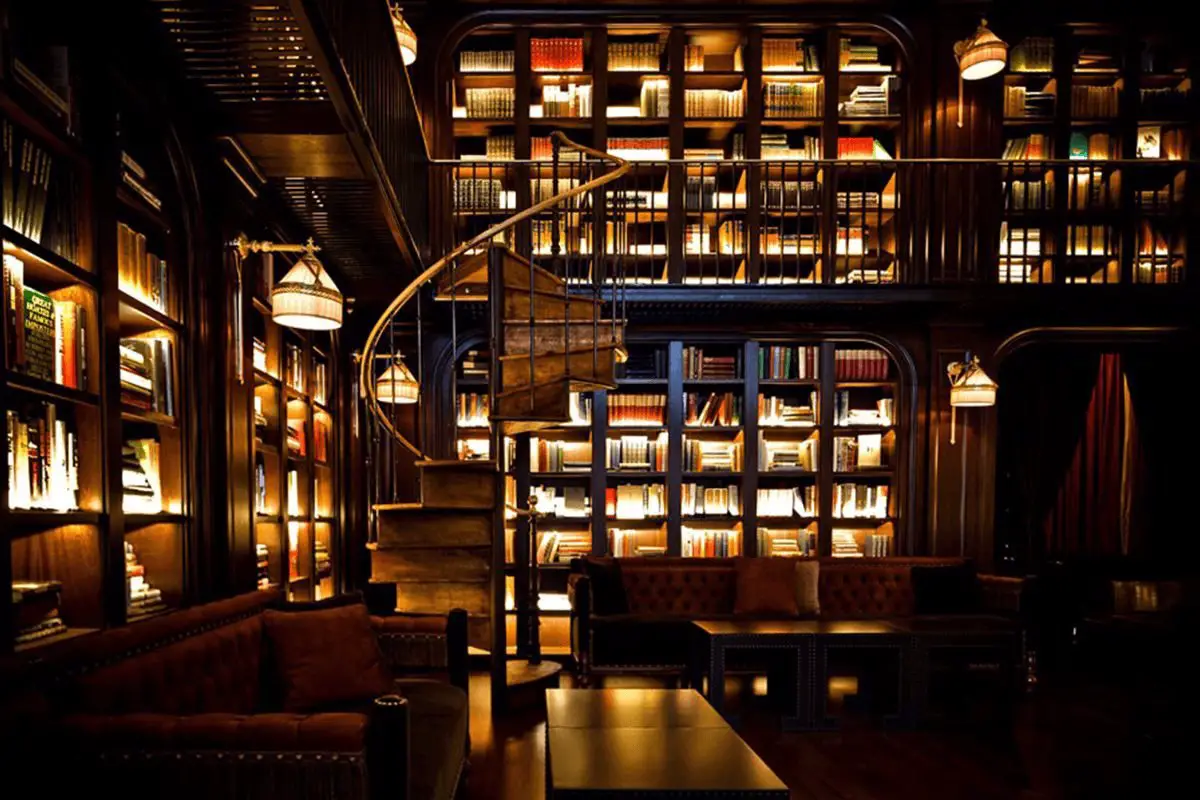
Perhaps our favorite feature? The fully curated, two-level library, connected by an original spiral staircase imported from the South of France. Guests can lounge throughout the day on custom-made furnishings and enjoy light fare and finger foods which are served alongside coffee, tea, wine and cocktails. An eclectic literary collection is available, featuring extensive volumes on such wide-ranging topics as The History of New York, Music, and Cocktails and Spirits. And if you’re feeling famished you can order off the regular menu, which includes their signature chicken for two—a whole chicken stuffed with foie gras (plus one optional).
1170 Broadway, New York, NY 10001
The Mark — For The Fitness Junkie
Sure, travelers to the Big Apple have a cornucopia of gyms to choose from, but why spend your en perdiem bucks on a day pass? Located just a couple blocks from both Central Park and the Met in New York’s classy Upper East Side, The Mark is a luxury boutique hotel—and given the limited space, they take a smart approach with their gym. Rather than settle for a treadmill and some free weights, guests can schedule their workout with renowned fitness expert, Dan Flores, or opt for one-on-one personal training with kickboxing and MMA pros from Punch Fitness (owned by former national champ, Adelino DeCosta).
Of course, The Mark wouldn’t make it on our list if all it had to offer was a good fitness center. The Mark is one of the chicest and prettiest hotels in New York. And because of it’s low-key, boutique feel on a rather quiet block between Madison and 5th Avenue on 77th Street, its popular among celebs and other well-heeled folk who prefer to trade the fast pace of lower Manhattan for the quieter and more old-fashioned elegance of the Upper East Side.
Oh, and did we mention the Jean Georges restaurant? Every good workout calls for a little rest, relaxation, and refueling.
25 E 77th St, New York, NY 10075
The Beekman — For the “Top Chef” Binge Watcher
An architectural gem hailed for its iconic nine-story atrium and pyramidal skylight, The Beekman unites some of the world’s greatest talent, including the sophisticated design of Martin Brudnizki and the culinary cachet of restaurateur and chef Tom Colicchio. This boutique hotel also features a restaurant by Keith McNally, his first in the neighborhood.
Located within the center of Lower Manhattan’s “New Downtown,” nestled between both the East and Hudson Rivers, The Beekman is surrounded by some of Manhattan’s most cherished attractions—the Brooklyn Bridge, the World Trade Center, South Street Seaport and City Hall. The hotel boasts 287 fully appointed rooms (including 38 suites and two signature penthouses within its iconic “turrets”), each with private rooftop terraces overlooking One World Trade Center, the Woolworth Building and City Hall Park.
The excellence extends far beyond the rooms and décor, though. Colicchio pulls inspiration from the rich history of the building and his own culinary journey to provide a menu of classics, old and new, reinvented with his signature seasonal touch. The a la carte and five-course tasting menu at Temple Court—a one-of-a-kind setting for dining set with rich, jewel-toned furnishings and antique accents—features dishes such as Maine Lobster with chanterelle mushrooms and tarragon, presented in the style of Lobster Thermidor.
In the mood for something more casual? The Bar Room at Temple Court, with plush lounge seating and a distinctly old New York feel, is located beneath The Beekman’s stunning, nine-story Victorian era atrium and offers an ideal setting to enjoy a list of handcrafted cocktails alongside an all-day menu.
The Beekman is undoubtedly one of New York’s best new hotels, but don’t just take our word for it. Since its soft opening in Fall 2016, The Beekman has received unprecedented acclaim and recognition worldwide: Condé Nast Traveler US’s 2017 “Hot List”, Travel & Leisure’s 2017 “It List”, USA Today’s “Reader’s Choice” Award, Food & Wine’s “Hotel Award”, and U.S. News & World Report’s “Best Hotel in New York” Award.
123 Nassau St, New York, NY 10038
The Standard Highline — For a Retro Twist on Modern Luxury
The Highline may be at its most popular in the summertime, but this autumn’s favorable temperatures lend well to maintaining high traffic to its trendy surrounding neighborhood. And The Standard Highline just happens to rise up right above it.
Situated in New York City’s very popular Meatpacking District, this hotel’s inviting public spaces are what make it a year-round favorite for travelers and locals, alike. At ground level, it has the young professional’s casual weekend haunt of choice, The Standard Biergarten. If you aren’t looking to lay low, you can reverse it straight up to the penthouse, where funky discothèque Le Bain hosts world famous DJs. Alternatively, if you’re feeling particularly fancy, the legendary Top of The Standard is the perfect spot for sunset drinks and appetizers. This sophisticated lounge will steal your breath with its views and quest your thirst with its specialty cocktails. For dinner (or brunch, if you prefer), there’s the award-winning Standard Grill, which melds a brasserie atmosphere with new American cuisine.
When it comes to accommodations, think sleekly simple but still everything you may need. All rooms feature floor-to-ceiling, wall-to-wall windows that open to sweeping city or Hudson river views, and include amenities galore. The beds are adorned with sumptuous Italian sheets and fluffy down pillows, the bathrooms feature rain showers, the mini bars are overstocked, the cozy robes are extra large, and the room service is 24-7.
Oh, and did we mention the hotel has its own ice rink? Bring the family back for a winter re-book.
848 Washington St, New York, NY 10014
Refinery Hotel — For the Fashion Forward Traveler
Once home to a Garment District hat factory, the Refinery Hotel maintains its industrial aesthetic and fashion heritage with an updated sense of luxury. The decor is sleek and modern, yet inviting and comfortable. The location is convenient, and just steps from Bryant Park.
Drawing inspiration from their storied past, each of the spacious rooms at Refinery Hotel feature industrial accents such as 12-foot ceilings and distressed hardwood floors. While the 197 rooms call attention to the Colony Arcade’s early life as a hat factory, modern amenities like free WiFi, Noir bath products, and a mini bar stocked with Dean & DeLuca gourmet foods and local Hudson whiskey provide luxurious comforts.
Serving breakfast, lunch, brunch, dinner and cocktails in a nostalgic atmosphere, Parker & Quinn, The Refinery’s main restaurant, features classic design touches from the building’s early life as a working factory. Executive Chef Jeff Haskell takes a straightforward and rustic approach in his kitchen, relying on high-quality and locally sourced ingredients to produce balanced, approachable American dishes.
The Refinery Rooftop, however, is the crowning jewel of the space; a rooftop bar and lounge featuring over 3,500-square feet of cinematic views of the Manhattan skyline and Empire State Building. A cozy interior space is complete with fireplace, water feature, and wooden ceilings constructed out of wood salvaged from the original building’s water tank. An expansive indoor/outdoor space capped by a retractable glass roof, an outdoor terrace with porch swings, and spectacular city views from every direction make the Refinery Rooftop one of the most dynamic and tasteful (if not a bit lavish) rooftops in the city.
Lunch menu favorites on the Rooftop include Seared Yellowfin Tuna, Grilled Hanger Steak Flatbread and the Little Gem Caesar salad with watermelon radish and frico. At night, lively crowds gathers for signature cocktails developed by In Good Company mixologists with a focus on natural ingredients paired in surprising and refreshing combinations.
63 West 38th Street, New York, NY 10002
Wyeth Hotel — For Farm-to-Table, the Brooklyn Way
When the Wythe Hotel opened in 2012, it brought the city’s vibe with it. From the towncars and taxis pulling up at the corner to its bustling lobby, it feels more West Broadway than Wythe Avenue. The 72-room hotel blends old and new; the building’s circa-1901 industrial details are offset with luxury amenities, floor-to-ceiling windows, and, in many rooms, outstanding Manhattan skyline views (another perk to being on the “wrong” side of the river).
The Wythe Hotel’s restaurant, Reynard, is owned by the same group that first put Williamsburg on the culinary map over a decade ago with the opening of Diner. Their newest venture offers a daily-changing menu based on farm-to-table classics. During balmier months, The Ides rooftop bar feels like the Brooklyn version of the Standard Hotel Rooftop (but hey, it’s not that cold yet). This industrial-chic gem is across the bridge in Williamsburg, which might scare off some diehard Manhattan loyalists, but trust us when we tell you the city skyline views from your loft-style room will more than make up for a little extra travel time.
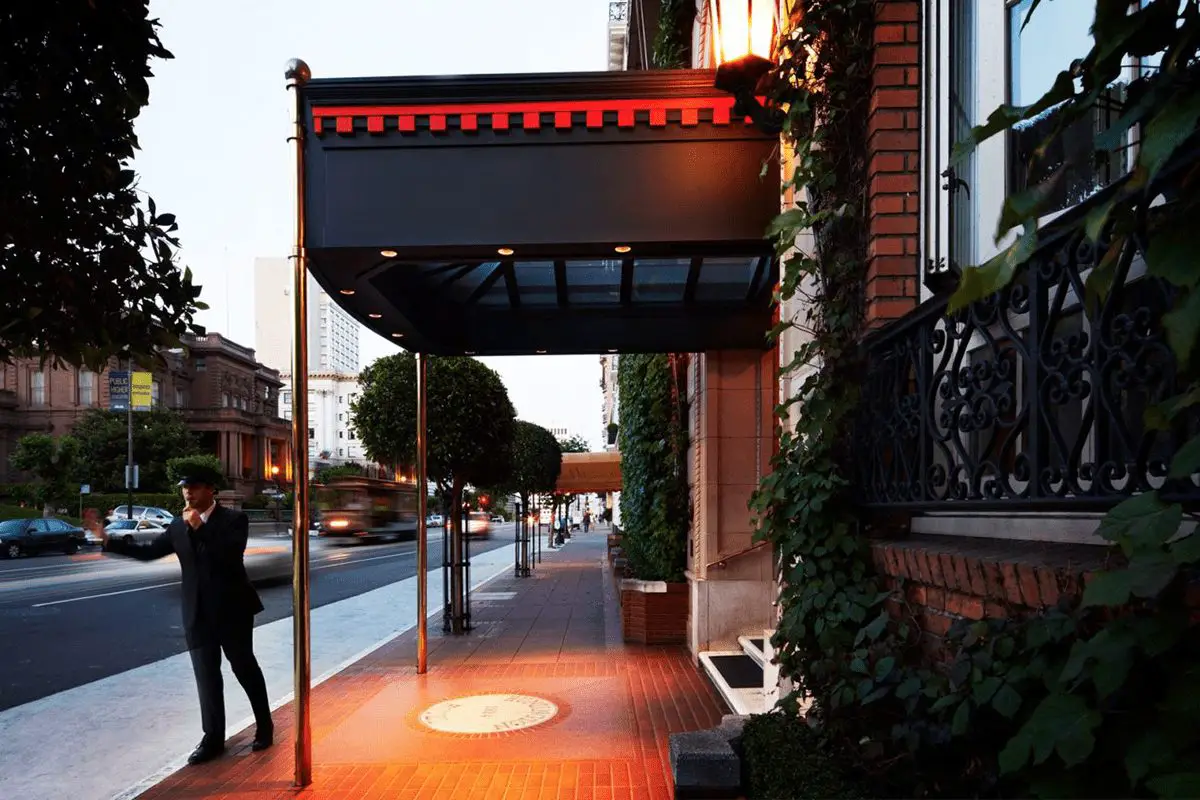
San Francisco has always been a city of reinvention, and nowhere is that spirit more fitting than atop Nob Hill, where the storied Huntington Hotel has quietly reclaimed its rightful place in the city’s luxury landscape. After years of closure, extensive renovation, and no small amount of anticipation, The Huntington will reopen its doors on March 1, 2026 — and if the early word is any indication, it will be better than ever.
A History Worth Knowing
The Huntington’s story begins not as a hotel at all, but as an apartment building. Designed by the architectural firm Weeks and Day, the 12-story Georgian-style brick building debuted in 1922 as the Huntington Apartments — and at the time, it was the tallest brick-and-steel high-rise west of the Mississippi. A landmark from day one, in other words.
Real estate developer Eugene Fritz converted the property into a hotel in 1924, and it was named after Collis P. Huntington, one of the famed “Big Four” railroad tycoons who helped build the Central Pacific Railroad and, in many ways, the American West itself. Huntington, along with Leland Stanford, Charles Crocker, and Mark Hopkins, once maintained grand mansions atop Nob Hill — a neighborhood that has never quite let go of that Gilded Age grandeur.
Fritz’s grandchildren ran the hotel for decades, and it became one of those rare San Francisco institutions that felt genuinely irreplaceable. Marlene Dietrich and Claudette Colbert were among its celebrity guests. Truman Capote was a regular. Opera singers, foreign dignitaries, and generations of San Francisco society passed through its doors, making the Huntington something more than a hotel — it was a civic institution.
The Scarlet Chapter and the Road to Closure
In 2011, Fritz’s family sold the property to Singapore-based Grace International, marking the first time in the hotel’s history that it changed hands outside the founding family. Grace International, which also operated the Scarlet Hotel in Singapore, rebranded the property as The Scarlet Huntington following a $15 million renovation that completed in 2014. The rebrand was met with mixed feelings among locals who were attached to the original name and identity, but the hotel continued to operate as one of Nob Hill’s premier addresses.
In 2018, Woodridge Capital purchased the hotel from Grace International for $87 million. Then the pandemic hit. The Huntington closed its doors in 2020, and unlike many of its San Francisco counterparts, it never managed to reopen. Woodridge defaulted on a $56.2 million mortgage, lender Deutsche Bank threatened foreclosure, and the hotel sat shuttered on one of the most iconic corners in the city — celebrating its 100th birthday in 2022 with its doors locked.
New Ownership, New Vision
The turnaround began in 2023 when San Francisco native and billionaire Greg Flynn, founder and CEO of Flynn Properties, partnered with hospitality giant Highgate to acquire the distressed property for well under the outstanding loan amount. Flynn — whose commercial real estate portfolio includes luxury properties in Napa Valley, Cabo San Lucas, and Telluride — was direct about his intentions from the start.
“Make no mistake, we are market timers,” Flynn said. “San Francisco has always risen from the ashes.” His commitment went beyond the financial, though. As a San Francisco native, Flynn was adamant that the hotel be restored to its former identity — no major brand flag, no gimmicky rebrand. Just the Huntington, done right.
Renovation work began in earnest in 2024, with Singular Builders and BAR Architects & Interiors leading the restoration. The team preserved the building’s original Georgian architectural details wherever possible — stately plasterwork ceilings, boiserie panels, and expansive light-filled windows — while modernizing everything else. In September 2025, the building was added to the National Register of Historic Places, a well-deserved recognition that also underscored the renovation team’s commitment to authenticity. Named one of 2026’s most anticipated openings by both ELLE Décor and Vogue, the Huntington’s return has been one of the most talked-about moments in San Francisco hospitality in years.
The hotel now offers 71 guest rooms and 72 suites — a notably intimate count that reflects the building’s famously generous room sizes, averaging around 581 square feet compared to an industry-standard 200. Many rooms and suites offer panoramic views of the bay and city that are simply hard to replicate anywhere in San Francisco.
The Big Four: 50 Years and Still Roaring
No conversation about the Huntington is complete without a nod to The Big Four restaurant, which has been a cornerstone of the Nob Hill social scene for half a century. Named for the railroad magnates whose fortunes shaped both the neighborhood and the hotel, The Big Four has always felt like a place out of time — in the best possible way. Dark wood, leather banquettes, railroad memorabilia, and a whiskey list that commands respect.
The new owners undertook a thoughtful renovation of the space, with a stated commitment to preserving the charm that locals and regulars have cherished for decades. The result feels like The Big Four at its best: familiar and refined, with enough polish to feel fresh without losing the soul that made it an institution. And fittingly, the restaurant is marking its 50th anniversary year alongside the hotel’s reopening — a coincidence that feels almost too perfect.
The Nob Hill Spa: A Sanctuary Reborn
The Huntington’s Nob Hill Spa has long been one of the city’s most beloved retreats, and it returns in reimagined form as arguably San Francisco’s most luxurious spa destination. The 11,000-square-foot, three-story space — one of the few hotel spas in the city to offer an indoor pool — has been completely overhauled, with a sun-drenched atrium framed by carved tropical hardwoods and heirloom stone setting the tone for what lies within.
The new Nob Hill Spa positions itself as a sanctuary for what the hotel describes as “intentional indulgence,” with a curated menu of restorative treatments that nod to global wellness traditions while feeling distinctly at home in San Francisco. Whether you’re a hotel guest or simply a San Franciscan in need of an escape from the city’s pace, the spa is very much worth the trip up the hill on its own.
The Bottom Line
San Francisco has had its share of challenges in recent years, and the luxury hotel sector has felt that strain acutely. The Huntington’s return — brought back by a local businessman with genuine love for the city and the resources to do it right — feels like a meaningful moment. This isn’t a corporate refresh or a branded takeover. It’s a restoration in the truest sense: a great hotel, given the attention it always deserved, ready to welcome a new generation of guests to Nob Hill’s most storied address.
The Huntington Hotel is located at 1075 California Street, San Francisco. Reservations available at thehuntingtonhotel.com.
Shoulder season, often referred to as the travel industry’s best-kept secret, is an ideal time to embark on adventures. This transitional period between peak and off-peak seasons offers a harmonious blend of favorable weather, fewer crowds, and attractive prices. Travelers can revel in the beauty of destinations without the hustle and bustle of peak season crowds, allowing for a more immersive and authentic experience.
Whether it’s enjoying the vibrant fall foliage in New England or the temperate conditions of the California coast, this time of year is ideal for comfortable weather, serene landscapes and fewer people. Here are six places we recommend.
Woodstock Inn (for fall foliage and quintessential New England atmosphere)
Nestled in the picturesque town of Woodstock, Vermont, the Woodstock Inn is a luxurious, yet quintessential New England retreat that embodies timeless charm of the area. Surrounded by the natural beauty of the Green Mountains, this historic inn has been welcoming guests since 1793, offering a seamless blend of tradition and modern comfort.
The architectural elegance of the inn reflects the region’s colonial heritage, with its white-clapboard exterior, dormer windows, and inviting front porch. Inside, guests are greeted by a warm and welcoming atmosphere, featuring cozy fireplaces, comfortable furnishings, and tasteful decor that captures the essence of Vermont’s rustic elegance.
The inn boasts a range of accommodations to suit every traveler’s preference, from charming guest rooms to luxurious suites. One of the inn’s highlights is its commitment to culinary excellence. The Red Rooster Restaurant, located within the inn, showcases Vermont’s farm-to-table ethos. The menu features locally sourced ingredients that celebrate the flavors of the region, providing a true gastronomic experience for guests and visitors alike.
For those seeking relaxation, the Woodstock Inn’s spa offers a serene haven with a range of treatments designed to rejuvenate the mind, body, and spirit. Guests can also explore the surrounding area, where outdoor activities abound, including hiking, skiing, and exploring the charming town of Woodstock with its boutique shops, art galleries, and historic sites.
Throughout its rich history, the Woodstock Inn has retained its commitment to providing a welcoming and unforgettable experience. Whether savoring gourmet meals, unwinding in the spa, or simply enjoying the tranquility of the Vermont landscape, visitors to the Woodstock Inn can expect a stay that captures the essence of New England hospitality and natural beauty.
Ocean House (for luxury at a slightly discounted rate)
While Newport may get the majority of summer visitors to Rhode Island, Watch Hill—just over the boarder from Connecticut—has a quiet charm that many prefer over the towns further up the coast. It also has some of the best beaches in New England, with comfortable ocean temps—thanks to the guldfstream—well into the early fall. And while you have views of both eastern Long Island (Montauk, The Hamptons) and Block Island it is open ocean.
Watch Hill has a few lodging options, but the best remains the Ocean House. In fact, the Ocean House might be the nicest resort in all of New England. CNN named it one of the “20 Most Beautiful Hotels in the US” (2016), Coastal Living named one of the “10 Best Beach Resorts in the World” and Travel+Leisure named one of the “10 Best Hotels in the Northeast” and “Top 100 in the World.” While the Ocean House is affordable to few during peak season, the offseason offers a little bit of financial respite.
Built in 1868, the Victorian mansion was a favorite summer retreat for the well heeled until it was torn down in 2005, before being rebuilt as nearly an exact replica—from the exterior at least. Preservationists were initially up in arms but the architects’ lovingly reconstructing of the landmark building—albeit at a smaller scale (but with a hefty $140 million price tag)—quelled a lot of those complaints. Guests can choose from 49 rooms (159 existed in the original structure) furnished in a British colonial style with colorful New England flourishes, all with dramatic views of the ocean. iPads are available for use and guests have access to other modern amenities, including flat panel TVs with multimedia connectivity.
Visitors can swim in the open Atlantic and frolic on the dune-y beaches (Watch Hill Beach, Main Beach and Misquamicut Beach) which are some of the most pristine beaches on the east coast. Go for a sunset stroll and grab a drink along the way at Paddy’s Beach. Or grab a fishing pole and head to Block Island Sound. Surfers journey to Westerly or Narragansett. A number of good public and private golf courses exist in the area. The rates can’t be beat at Winnapaug Golf and Country Club, a public course in nearby Westerly. Bottom line, if you are looking for a classy beach resort in New England with all the comforts of a 5-star hotel, you cannot go wrong with The Ocean House. Since it’s 2010 renovation it has become the gold standard of New England beach resorts.
Foundry Hotel Asheville (for hip, mountain vibes)
The Foundry Hotel stands as a unique blend of industrial charm and modern luxury in the scenic mountains of western North Carolina. Housed in a former steel factory dating back to the 1920s, the hotel seamlessly marries its rich history with contemporary design and upscale amenities, offering guests an unforgettable stay.
The Foundry Hotel’s exterior pays homage to its industrial heritage, with weathered brick walls and steel accents that evoke a sense of authenticity and character. Upon entering, guests are greeted by an atmosphere that combines rustic elements with sleek sophistication, creating a welcoming ambiance that reflects Asheville’s eclectic spirit.
The hotel’s accommodations range from well-appointed guest rooms to spacious suites, each thoughtfully designed to provide comfort and elegance. High ceilings, exposed beams, and a blend of modern and vintage furnishings create a distinct sense of style that pays homage to the building’s past while catering to the needs of today’s travelers.
Dining at The Foundry Hotel is an experience in itself. The hotel boasts a renowned restaurant that showcases locally sourced ingredients and Southern-inspired cuisine. Guests can savor delectable dishes in a setting that fuses industrial aesthetics with a contemporary dining atmosphere.
The hotel’s commitment to relaxation is evident in its amenities, including a spa and wellness center that offer a range of treatments to soothe and rejuvenate. For those who wish to explore the vibrant city, The Foundry Hotel’s central location places guests within walking distance of Asheville’s art galleries, live music venues, and unique boutiques.
A stay at The Foundry Hotel is not only a chance to experience the allure of a bygone era brought to life, but also an opportunity to immerse oneself in Asheville’s vibrant culture. With its seamless blend of history, design, and hospitality, The Foundry Hotel invites guests to discover the dynamic spirit of Asheville while enjoying the comfort and luxury of a truly exceptional accommodation.
Big Cedar (for a Midwest golf magnate)
Nestled in the heart of the picturesque Ozark Mountains in southern Missouri, Big Cedar Lodge stands as a premier wilderness resort that offers a harmonious blend of nature’s beauty and luxurious comfort. Surrounded by the serenity of Table Rock Lake and the lush woodlands, this expansive resort provides an idyllic escape for those seeking a tranquil retreat.
Big Cedar Lodge captures the essence of rustic elegance with its charming cabins, lodges, and accommodations. The resort’s architecture and design pay homage to the region’s natural beauty, blending seamlessly into the landscape. From cozy cabins to spacious lodges, each accommodation is meticulously appointed with modern amenities while exuding a warm and inviting atmosphere.
The real allure of Big Cedar however, is undoubtedly the 4 world-class golf courses, including the Jack Nicklaus-designed Top of the Rock course. This par-3 course is renowned not only for its challenging design but also for its stunning vistas that showcase the Ozark Mountains and the pristine Table Rock Lake. Golfers are treated to an unparalleled experience as they navigate through meticulously designed holes, some of which are perched atop the cliffs, offering breathtaking panoramic views.
Beyond the Top of the Rock course, Big Cedar Lodge offers the Buffalo Ridge Springs course, designed by renowned architect Tom Fazio. This 18-hole championship course is known for its strategic layout, incorporating natural rock formations, water features, and lush fairways that seamlessly blend with the surrounding wilderness.
Whether you’re a passionate golfer or simply looking to appreciate the artistry of the sport amidst stunning scenery, Big Cedar Lodge’s commitment to providing exceptional golf experiences makes it a destination that truly stands out on the map of golf resorts.
Post Ranch Inn (for nature, nurture and nourishment)
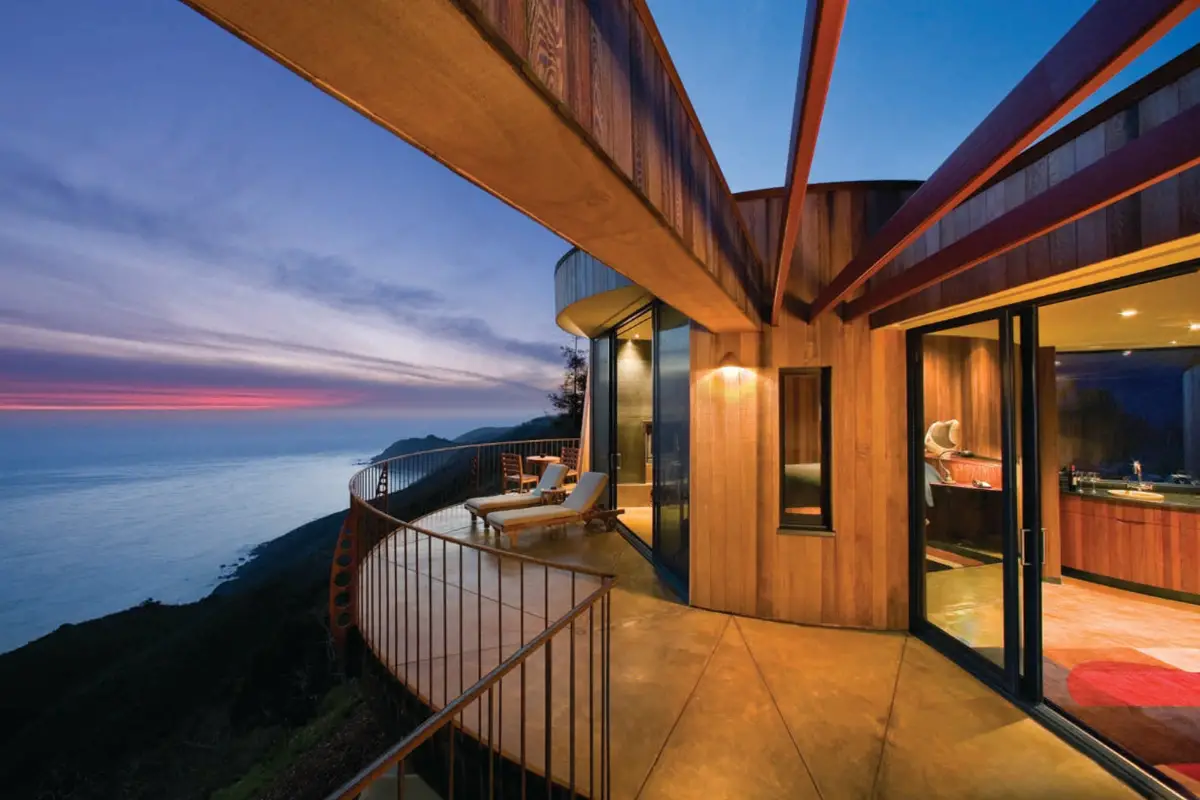
Perched on the dramatic cliffs of Big Sur, the Post Ranch Inn is a captivating retreat that offers a harmonious blend of luxury and natural beauty. With its innovative architecture and eco-conscious design, the inn seamlessly integrates into its stunning coastal surroundings. Guests are treated to breathtaking Pacific Ocean views from exquisite accommodations that include treehouses and ocean-view suites.
These retreats boast a blend of indoor and outdoor spa tubs, inviting wood-burning fireplaces, sumptuous leather furniture, elegant wooden ceilings, and expansive king-size beds. Beyond the comfort, each abode treats guests to majestic vistas of either the rolling surf or the grandeur of the mountains.
On the southern expanse of the property, the Cliff Houses, Peak Houses, and Pacific Suites beckon with their unique allure. Constructed using reclaimed lumber, they boast floor-to-ceiling windows that frame the breathtaking panorama. The Peak Houses even feature cantilevered terraces, offering an immersive connection with the surroundings. The accommodations afford a sense of seclusion, as if the sprawling land extends solely for your enjoyment.
The Post Ranch Inn’s dedication to preserving the environment is intrinsic to its philosophy. Using natural and sustainable building materials, minimizing wattage in lighting, and safeguarding rare and endangered species, the inn ensures that its luxurious offerings harmonize with the surroundings without compromising the integrity of the ecosystem.
While the mesmerizing views from your terrace are captivating, the resort presents a spectrum of activities to engage in throughout the day. Guided nature walks lead you through the enchanting redwood and oak forest, while evenings bring cosmic wonder through the eyes of the resident astronomer and the electronic telescope that unveils the night sky’s brilliance. Moreover, the inn’s proximity to central coast wineries allows for captivating wine journeys.
Within the resort, the acclaimed Sierra Mar restaurant garners recognition in esteemed publications like Food & Wine. Dinner offers a seasonal, shared experience that changes daily and is inspired by the harvest from our dynamic Chefs Garden. To complement these delights, an extensive wine list features California’s finest varietals, rounding out the culinary experience with finesse.
Ojai Valley Inn Spa (for relaxation, recreation, and rejuvenation)
Surrounded by the Topatopa Mountains and embraced by the vibrant energy of the Ojai Valley, this iconic resort offers a captivating blend of relaxation, recreation, and rejuvenation—a luxurious haven where natural beauty meets refined elegance.
Accommodations at the Ojai Valley Inn and Spa are a testament to comfort and sophistication. From cozy rooms and suites to luxurious private villas, each space is meticulously designed to embrace the region’s Spanish colonial heritage while providing modern amenities and serene views of the surrounding landscape.
The inn’s crown jewel is its award-winning spa, a sanctuary of serenity that embraces the spirit of the Ojai Valley. Indulge in a plethora of treatments and therapies that draw inspiration from the local flora, ensuring a harmonious connection with the environment. The Kuyam, a unique treatment inspired by Native American traditions, offers a communal journey of purification and rejuvenation.
The culinary offerings at the Ojai Valley Inn and Spa are a celebration of farm-to-table excellence. The Oak, the resort’s signature restaurant, sources ingredients locally to craft a menu that showcases the region’s bounty. Guests can savor delectable dishes in an inviting atmosphere that captures the essence of Ojai’s relaxed sophistication.
Beyond its remarkable amenities, the Ojai Valley Inn and Spa fosters a sense of community and connection. The Artist Cottage and Apothecary provides a space for creative exploration, while the resort’s dedication to sustainability and environmental stewardship reflects its commitment to preserving the natural beauty that envelops it.
From the invigorating spa experiences to the world-class golfing and the culinary delights, the Ojai Valley Inn and Spa offers an unparalleled escape where guests can immerse themselves in the serenity of the Ojai Valley while enjoying the pinnacle of luxury and hospitality.
The slow food revolution continues to sweep across the country. While restaurants in Europe and elsewhere have been utilizing locally sourced produce, meat and dairy for some time, Americans were slow to catch on. Beginning decades ago with activists like chef Alice Waters (Chez Panisse) restaurateurs around the country are continuing to realize the benefits of buying locally, whether its to help local farmers and purveyors or to have fresher and more beneficial foodstuff. If you live near a large city, chances are, you’ve eaten at a farm-to-table restaurant.
Before the advent of the automobile, most travelers traversed the countryside via rail. Whether Stateside or overseas, tourists and locals ate in opulent dining cars, reclined in wood-paneled lounges and slept in lavish staterooms with all the comforts of home—if your home was a palatial estate. While cars have made rail travel almost obsolete in the United States, trains are still a great way to get around overseas. Continue reading →
Classic, old fashioned cocktails are back in vogue. And their simplicity is what makes them so timeless—and good. Don’t overthink your mixology psychology this summer. Impress your guests with these easy to make, refreshing, summer classics.
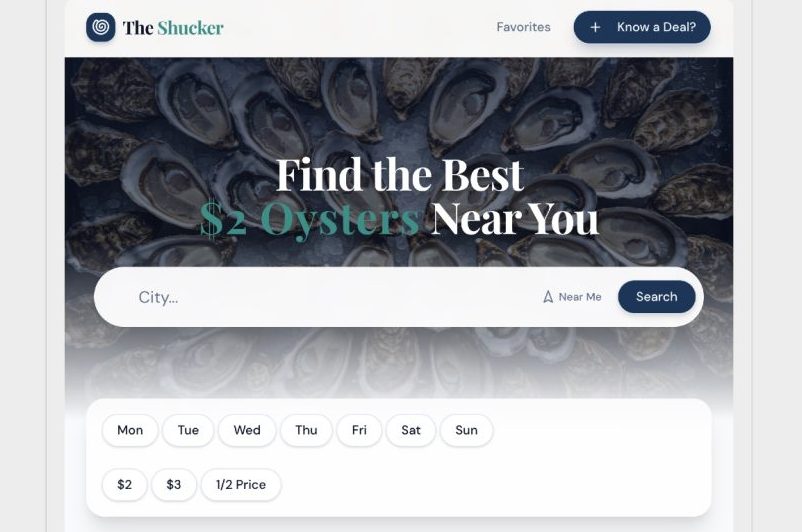
Oyster Insider’s editorial database + AI = the smartest $2 oyster finder on the Internet.
Let’s be honest — oysters have a reputation problem. People assume they’re expensive, precious, and reserved for special occasions. But here’s the thing: if you know where to look, you can find world-class oysters for $1 or $2 a shell at happy hours across the country, every single day of the week.
The problem has never been the deals. The problem has been finding them.
That’s exactly why we built The Shucker.
What Is The Shucker?
The Shucker is Oyster Insider’s AI-powered app that does one thing exceptionally well — it finds you $2 oysters (or cheaper) wherever you happen to be. Type in your city or destination, and The Shucker surfaces the best oyster happy hour deals near you: the price, the place, the days, the hours, and everything else you need to walk in the door and order with confidence.
No more Googling. No more scrolling through Yelp reviews hoping someone mentioned the happy hour price in a comment three years ago. No more showing up at 4:02pm to find happy hour ended at 4.
How It Works
The Shucker pulls from two sources. First it searches Oyster Insider’s own curated database — the same restaurants, oyster bars, and hidden gems our writers have been covering and verifying for years. When our own coverage doesn’t have what you need, The Shucker’s AI fills the gaps, searching beyond our database to surface deals we haven’t covered yet.
The result is the most comprehensive, up-to-date $2 oyster finder on the internet — and it only gets smarter over time.
Built for Oyster Lovers, Travelers, and Happy Hour Regulars
Whether you’re a local who wants to know which spot in your city has the best Monday oyster deal, or a traveler landing in Charleston, Nashville, or San Diego who wants to find $2 oysters before you even check into your hotel — The Shucker has you covered.
It’s the app we always wished existed. So we built it.
Try The Shucker now and find your next $2 oyster. The world is your oyster — and apparently it costs about two bucks.
The Story Behind the Annual Boat Race Between Hyannis and Nantucket
In 1972, a friendly conversation among friends at Baxter’s Boathouse in Hyannis, MA escalated to a challenge to see who could sail their boat to Nantucket the fastest over Memorial Day weekend. This was the inception of Figawi Race Weekend, a Nantucket and Cape Cod tradition that has grown considerably in popularity since it’s informal start in 1972 thanks to names like Kennedy and Koch joining the competition in the 80s and beyond.
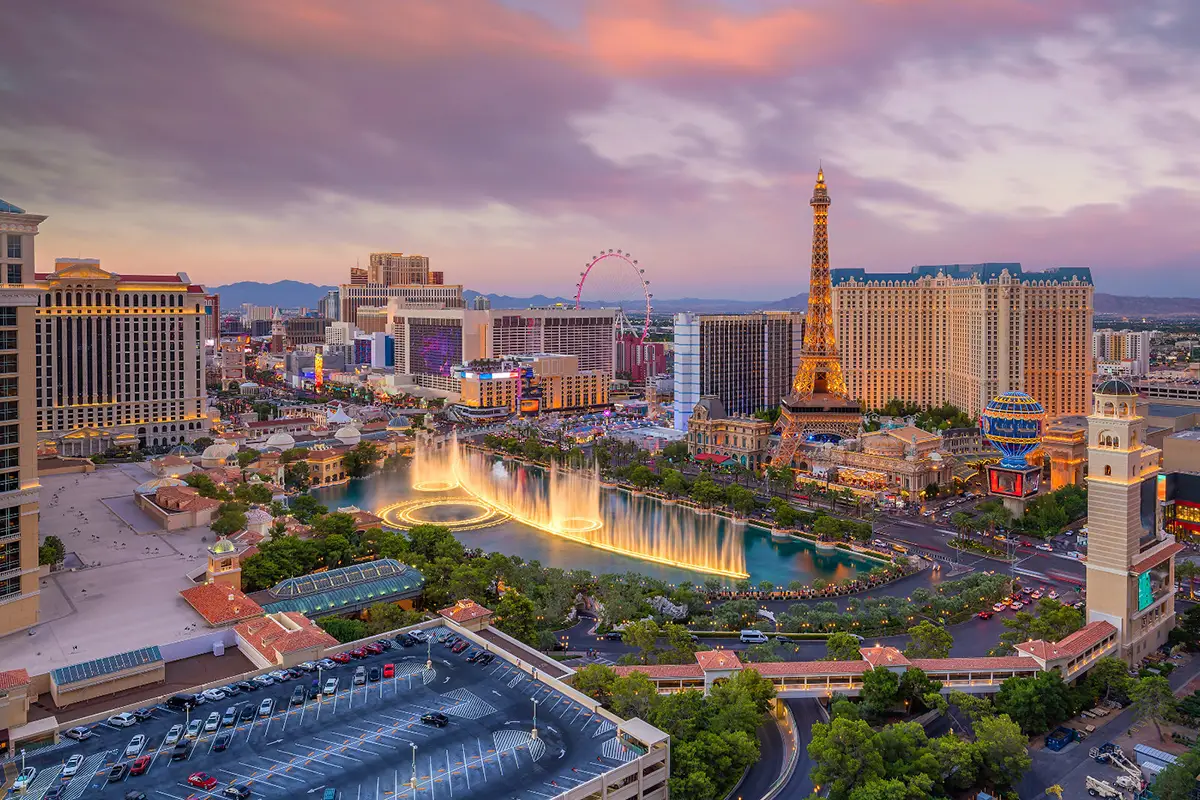
The Wynn Las Vegas is my favorite hotel in Vegas. In fact, it’s one of my favorite hotels, period. But it also happens to be one of the worst offenders when it comes to that most dreaded of charges: the resort fee. Wynn, like most of the Strip, where many of the iconic hotels lie, including some highlighted in [Las Vegas Old and New](https://www.goodlifereport.com/travel/best-las-vegas-old-new/), introduced me to this nebulous, nefarious little surcharge years ago.
What is a Resort Fee?
Often called amenity, facility, or destination fees— resort fees are mandatory daily charges tacked onto your hotel bill, usually not included in the initially advertised price. While some hotels offer genuine amenities for these fees, many guests experience them as surprise junk fees, sometimes even exceeding the nightly room rate itself. Below are some of the worst offenders in the hotel industry, with specific egregious examples.
A Brief History
I still remember seeing that $50-per-night “resort fee” for the first time. At the time, I was confused but brushed it off as just another Vegas quirk. That was about 15 years ago. Today, it’s no longer a Vegas-only problem—it has become a nationwide epidemic. And ironically, it was supercharged by another epidemic: COVID-19.
Before the pandemic, resort fees were mostly contained to Las Vegas and a handful of destinations. They popped up primarily at upscale resorts—places with sprawling pools, hot tubs, fitness centers, and other actual amenities. I never agreed with the fees, but at least you could see the (flimsy) logic: you were paying for access to facilities you might actually use.
COVID’s role
Then came COVID. Hotels and resorts were shuttered for months, and when they reopened, they were desperate to make up lost revenue. Enter the “creative” revenue officers. Resort fees started spreading like wildfire—not just at luxury properties, but at everyday hotels, urban boutiques, and even places with zero resort amenities. No pools, no spas, no lazy rivers—just a fee for nothing.
What was once an egregious surcharge tied to actual facilities has now morphed into a vague, all-purpose money grab. A fee that offers nothing tangible in return, except a reminder that hotel transparency is increasingly hard to come by.
The New GLR Resort Fee “Justicator”
GLR has officially released a beta version of our new web-based calculator that tells you if your resort fee is justified. This tool is super easy to use and gives you realtime perspective on whether a hotel’s “resort fee” is justified. You simply fill in some quick “input” criteria (shouldn’t take more than 30 seconds – a minute) and the calculator spits out data on whether your resort fee is warranted, including a rating from 1-10. If the rating is very low, meaning the fee is completely unjustified (the hotel has no amenities like a pool or exercise room), then our tool will generate an ai-generated email response that you can send to the resort explaining exactly why your fee should be waved.
Who are the biggest offenders right now? Here are some notorious resort fee offenders:
Las Vegas is infamous for high resort fees, with almost every major Strip hotel charging $50–$60 per night on top of the room rate. Specific examples include:
The Cosmopolitan of Las Vegas: $56.69/night resort fee.
Bellagio, Aria, Wynn/Encore: $56–$57 per night.
MGM Grand: $50 daily resort fee.
Circus Circus & Excalibur: Have advertised rooms for less than the resort fee itself, such as a $28 room paired with a $36.28 resort fee.
Miami Beach
Fisher Island Club and Resort: The most expensive resort fee in the U.S., at $160.60 per night, besides a $1,052 room rate. This fee stands out nationwide for its sheer scale.
“Hidden” Resort Fees Disguised as Taxes
Some hotels disguise resort fees as taxes or “mandatory government charges.”
The Life Hotel, New York City: Lists a “NYC Mandatory City Hotel Fee,” which is actually a hidden resort fee.
Budget and Non-Resort Hotels Charging Resort Fees
Super 8 (Las Vegas), Hotel Pennsylvania (NYC), Best Western (Orlando): While not typical resorts, these budget properties levy daily resort fees, often with minimal amenities justifying the charge.
Ritz-Carlton Tucson, Waldorf Astoria Orlando, Moana Surfrider Waikiki: All levy resort fees despite premium nightly rates, sometimes exceeding $1,500 for the room itself.
Hotel Chains With the Highest Resort Fees (By Brand)
A 2025 analysis by NerdWallet shows:
Hilton: Resorts average a 4.6% upcharge via resort fees, with a typical fee of $40 per night. Properties like Hilton Phoenix Resort charge $35/night for water park access, among other amenities.
IHG (InterContinental Hotels Group): Resort fees average 3% of room rate; most Intercontinental hotels charge a “facility fee” around $40 per night.
Wyndham: Lowest average among mainstream brands but still applies fees averaging 6.4% of the room rate at some properties.
Other major chains implicated in either high fees or controversial practices include Hyatt, Omni Hotels, Choice Hotels, and Four Seasons. And outside the U.S., these practices are rare—most European hotels include all fees in the listed price.
Special Mentions
Detroit (MGM Detroit): Detroit, not a resort city, features hotel properties charging “resort fees” for basic in-room amenities like a Keurig coffee maker.
TWA Hotel, JFK Airport (NYC): Uses fees to reduce the portion of total charges taxed at the higher hotel room tax rate, leading to lower tax revenue for the city.
Geographic Hotspots for Resort Fees
New York City: Often charges $30–$50/night labeled as “urban” or “facility” fees, even at non-resort properties.
Hawaii, Orlando, Caribbean: Popular tourist hot spots commonly add mandatory fees on top of the nightly rate.
While the intent behind some resort fees is to bundle amenities, many fees serve mainly as a profit center for hotels, frustrating guests with hidden and often unavoidable costs. Las Vegas and Miami are notorious, but the problem extends to budget hotels, non-resorts, and even luxury properties nationwide. Knowing which brands and locations have the worst offenders can help travelers plan and avoid unnecessary overcharges.
The secret that used to be Nantucket has long been out. Each summer, the island receives an increasing influx of tourists in the months between Memorial Day and Labor Day who come to experience this unique place. Outside that time period, though, Nantucket is a much different world. In fact, a long weekend in mid-May may be the perfect time to experience the real Nantucket.
Rooftop Bars have been all the rage of late in big cities, from New York to L.A. and everywhere in between. And while this trend shows no sign of stopping, with more and more watering holes opening up atop dormant rooftops, most are suited for drinks and appetizers and are not true outdoor dining destinations. Continue reading →
Hotels built around their natural environment are nothing new. The Explora Hotel Salto Chico in Patagonia is situated on the banks of a waterfall in the Torres del Paine National Park in Chile. The Tsala Treetop Lodge in Plettenberg Bay, South Africa, allows guests to live out their childhood fantasy of sleeping in a tree house—albeit a luxurious one. And in the United States, you have the Post Ranch Inn in Big Sur, California, built on the craggy cliffs of the Santa Lucia Mountains. Continue reading →
“Sustainable luxury.” “Eco-chic.” “In harmony with nature.” Hotel websites are full of green promises — and almost none of them come with proof. Some properties are doing genuinely impressive work: real certifications, published data, solar arrays, zero single-use plastic. Others slapped a leaf on the logo and called it a day. From the booking page, they look exactly the same.
The GLR Greenwash Detector is here to tell them apart. Enter any hotel or resort name and the app uses AI to audit its sustainability claims in real time — checking for third-party certifications like LEED, EarthCheck, and Green Key, published environmental data, and concrete practices with actual receipts. In seconds you’ll get a 1–10 Green Cred Score, plus a full breakdown of what’s verified, what’s claimed but unproven, and what’s pure vibes (our favorite section — every vague marketing phrase gets translated into plain English). And if you’re still on the fence? The Detector drafts a polite-but-pointed email you can send the hotel before you book, asking exactly the questions their marketing department hopes you won’t.
Because green should be something a hotel does, not something it says.
Free, fast, and available now in beta at GoodLifeReport.com.
Note: The Greenwash Detector App has a separate scroll bar.
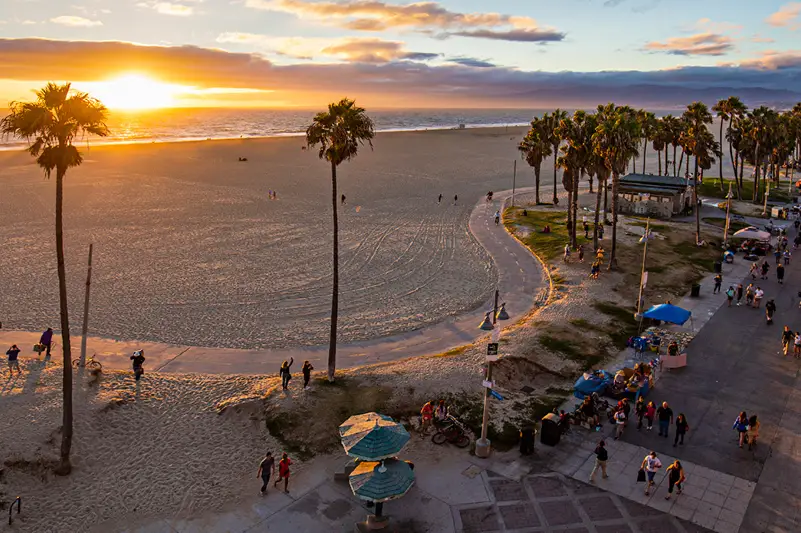
Fifi+Hop’s Corey Cook takes us to energetic Venice Beach which, despite it’s edginess, can be a great place to take kids. You just need to know where to go.
Some may look at the title of this post – Venice Beach with Kids – with speculation, but Venice was actually my girls’ self-proclaimed favorite part of our L.A. family vacation. They loved it. This post is all about things to do in Venice with kids, and why it should be on every family’s L.A. must-see list.
Venice, CA, bohemian in spirit, has always been the funkier side of town, filled with eclectic shops and people, restaurants, street entertainers, and, in general, an off-beat vibe all its own. It’s never really had a reputation as a family-oriented kind of hood. Yet it’s this colorfulness of Venice which is exactly why I wanted to take my kids – all the action and eye-candy, I knew, would entertain them for hours.
We decided to allot 1 day in Venice, out of our 5 days. How did we go about planning our 1 day in Venice itinerary? I knew just who I wanted to show us around – my blogging friend Hilary from the blog HilaryStyle. She is the eyes and ears of L.A. and would be the perfect person to show my kids everything that makes Venice, Venice.
Hilary and Me!
Hilary was on board for our visit, and then some. We covered it all, and by the end of the day my girls were reeling from all the fun they had. Here’s all the fun things to do in Venice Beach with kids. (Tip: we went first thing in the morning around 9:30, which was a perfect time to start our day, as there were hardly any crowds and it was very manageable with the kids).
WALK ALONG THE VENICE BOARDWALK (AKA OCEAN FRONT WALK)
The Localizer: GLR + AI-powered app curates a list of locally loved, GLR-approved spots.
The famous Venice Boardwalk spans about 1 ½ miles, with beautiful, white sand and the Pacific Ocean on one side, and funky storefronts and eateries on the other. Whatever bric-a-brac shops you can think of, the Ocean Front Walk has: souvenirs, sunglasses, surf and skate shops, t-shirts, tattoos, etc. My girls got their L.A. souvenirs here, in the form of sweatshirts, and have been wearing them ever since. Both say Venice Beach in different patterns, and they think they are the coolest girls in town when they wear them!
We walked for a while along the path, and Hilary pointed out all the other interesting things to see that make Venice the happening place it is. We saw people biking, rollerblading, playing paddle tennis, which are some of the activities you can do while you’re there (though we did not). And then there is of course Muscle Beach, an iconic part of the boardwalk where all the body builders work out. This is where Gold’s Gym got its start, begun by 70’s and 80’s superstar body builder, Arnold Schwarzenegger.
Later in our walk the girls got henna tattoos, which was a big hit – there are tattoo shops, fortune tellers and other off-beat things like that scattered all over the boardwalk. As well as restaurants – we ate at Wee Chippy at the recommendation of Hilary as having the best fries anywhere, and I have to say, she was right! In general, the Venice Boardwalk has an energy that appeals to any age, and is just plain FUN.
WATCH THE SKATEBOARDERS AT VENICE SKATE PARK
Venice Skate Park is truly an amazing skate park, and definitely worth a visit. If you’re like us then you will love watching all the skate boarders do their tricks. The boarders span all ages, and you can see older men as much as younger kids skate about. It’s a lot of fun for the kids, and it can take up as much or little time as you want it to.
CHECK OUT ALL THE STREET ART AND WALL MURALS
Venice is known for its abundance of street art, and seeing as Hilary is the street art expert, she showed us mural after mural, art piece after art piece, all throughout Venice. I’ll get to some of these places below, but we saw street art in many of the side streets off of the boardwalk, on our way over to the canals, and along Abbot Kinney Boulevard. There are wall murals everywhere, some I would have probably walked right by had it not been for them being pointed out – so make sure to keep your eyes open and on the look-out. They are colorful and whimsical and great fun for the kids to pose in front of for vaca pics.
One of the highlights of our day in Venice was making some street art/ graffiti of our own! Hilary brought cans of paint with her, which the kids sprayed out on the beach. There is a designated area called the Venice Art Walls where the public can spray paint themselves, and the kids went to town – a great, unique activity that they will always remember!
WATCH THE STREET PERFORMERS
We’re from New York, and whenever there are street performers doing their thing (always) in the subway, on the streets, Union Square, Times Square, wherever, we like to check them out. The girls love watching their shows. Venice is no stranger to street performers so we of course had to see them too. They are a big part of the chemistry that makes up Venice, with a contagious energy that you can’t help but feel a part of. Until they want you to join the show! We watched one group do their break dance, gymnastic stunts, etc. until they started to head our way to get the kids to participate. We immediately high-tailed it, but up until then it was a lot of fun for the kids, with a huge crowd getting into it.
WALK ALONG THE VENICE CANALS
It is no coincidence that the “Venice of America” has the same name as its Italian counterpart. Venice was founded by millionaire developer Abbot Kinney and modeled after his favorite European city, Venice. In the early 1900’s the canals that we see today used to be wetlands, and the perfect spot to build canals. Today (especially after a major renovation project completed in the 90’s), they are one of L.A.’s most unique neighborhoods and so much fun to walk around. I really enjoy walking along the canals and over the bridges, and so did my kids.
With the renovation came many newly built, modern homes, and looking at the houses is just as much a part of the appeal. So many of the city’s beautiful homes are located in the Venice Canals. We particularly liked looking at all the different boats home owners had, from canoes to kayaks to unicorn rafts!
STROLL ABBOT KINNEY BOULEVARD
Perhaps the chicest part of L.A., Abbot Kinney Blvd. is filled with Boho fashion stores, home design shops, fabulous restaurants and an overall trendy vibe. You can’t go to Venice without hitting Abbot Kinney. What’s in it for the kids? Good question – it’s mostly for adults. But for the adults who are visiting with their kids and don’t want to miss out, there are some gems to take the kids. We went to Salt n Straw ice cream, which has amazing, unique flavors and which the kids loved. We found plenty of street art to take pics of them with, and we found fun stores to take them in too – one of them being Avatar Nation. The kids played ping pong in the back, it’s full of bright colors, and they loved it. It was a welcome respite for us adults too to take a break and let the kids play.
In the book The Big Oyster, Mark Kurlansky writes “before the 20th century, when people thought of New York, they thought of oysters.” Though that sentiment along with New York’s oyster population has diminished over the past two centuries with the city’s drastic growth, oysters are currently making a strong comeback in Mahattan via the Oyster Restoration Research Project. Continue reading →
Ah, the library bar. An urban oasis steeped in history (quite literally). Vintage, deep-seated armchairs, mahogany shelves and leather bound books ease the soul, while a single malt scotch calms the nerves after a long day of work. Ron Burgundy’s kind of place. My kind of place. Continue reading →
While San Francisco may have become too expensive to live in, it is still relatively affordable to visit. Unlike New York City’s hotel scene, which seems to grow and grow, with trendy newcomers stealing the show, many of San Francisco’s top places to stay are the same properties they have always been—albeit some minor name changes.
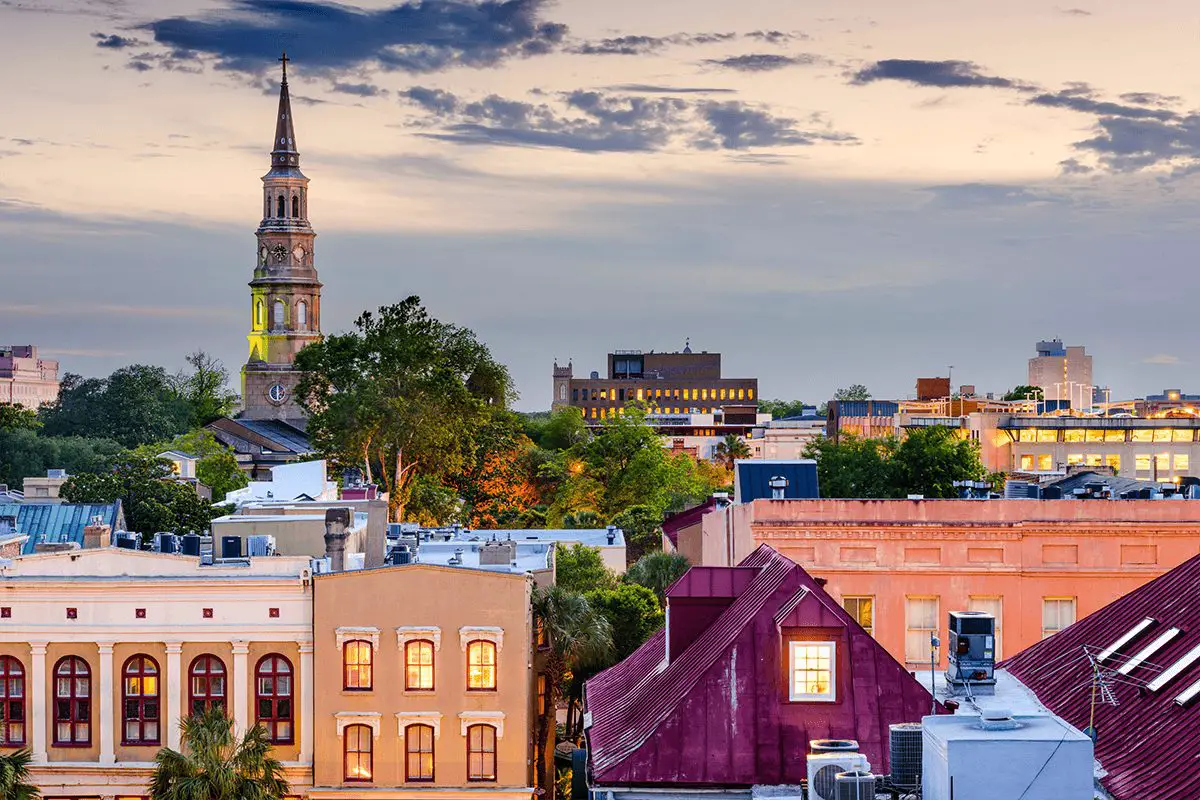
Move over, New York. Step aside, Chicago. Not you, Los Angeles. In the opinion of Travel + Leisure magazine, the top city in America for 6 years running does not have a major sports team, a thriving economy, or even a handful of famous people that call it home. But somehow, Charleston, SC, the city of approximately 135,000 people on the Atlantic coast of South Carolina has earned the top spot in the U.S. for the 6th year in a row and 8th year in row respectively by popular travel magazines Travel + Leisure and Conde Nast Traveler. It was also named the #1 city in the WORLD back in 2016 by Travel+Leisure. So what makes this famous Civil War port town so great? I recently took a trip to Charleston to see what all the hype was about.
History
Founded in 1670 as Charles Town, in honor of King Charles II of England, Charleston is known for its rich history (the first shots of the Civil War were fired at Fort Sumptner), well-preserved architecture, distinguished restaurants, and mannerly people. It is also a popular tourist destination, receiving a large number of accolades over the past decade. In addition to “Best City in the US” it was also named “America’s Most Friendly City” by both Travel + Leisure and Condé Nast Traveler and “Most Polite and Hospitable City in America” by Southern Living.
The southern charm, mysterious history, and world-class dining generally top the list of those who boast about this city. But like any trendy locale that receives critical acclaim from travel magazines and lifestyle aficionados, you need to spend a few days there—minimum—before deciding for yourself. And there really is no better time to do it than mid to late fall, when those balmy southern temperatures are beckoning to northerners bidding adieu to their Indian summer. With that said, here are a few recommendations from my own jaunt of where to stay and dine, visit and unwind in Charleston.
Hotels
Belmond Charleston Place exudes southern charm. From the bronze fountain out front to the lobby with its Georgian open-arm staircase, Italian marble floors and glistening chandelier, the hotel is glitzy yet elegant with authentic southern class. If location matters, and it usually should when visiting a city for the first time, then Belmond won’t disappoint. It is in the middle of everything you want to see, including shops, restaurants, bars and cultural sites. Belmond is also home to Charleston Grill—considered one of the best restaurants in Charleston—as well as The Thoroughbred Club, a uniquely small and classy sports bar that is both unexpected and much appreciated (bless its heart).
Belmond Charleston Place
Vendue, which T+L ranks the #1 hotel in Charleston and #9 in the country, was renovated and “reborn” in 2014 to create Charleston’s first and only hotel dedicated to the arts. In addition to a rotating art exhibition, daily art tours with a specially appointed Art Docent, and a working art studio, the hotel is equipped with over 300 pieces of original art for guests to enjoy. Even the stylish boutique guestrooms accent antique furnishings with bright bursts of contemporary art.
Vendue
Continue your aesthetic experience at The Drawing Room, Vendue’s popular upscale eatery. Executive Chef Forrest Parker employs his own inspired vision to create seasonal and locally-sourced dishes that are as eye catching as they are delicious. And if you’re flying down from the Northeast, you can even extend your al fresco season just a tad longer at/on The Rooftop, where the views alone will make your trip worthwhile. Oh, and Vendue’s pièce de résistance? Milk and cookies are out for the taking each and every evening. Yes ma’am.
The Beach Club at Charleston Harbor & Marina is the new kid on the block. Across the harbor in Mt. Pleasant, The Beach Club opened its doors in 2016 and has received rave reviews, both from the travel press and quasi travel press (i.e. Trip Advisor). Pairing good ole hospitality and luxury amenities, The Beach Club is part of the Leading Hotels of the World collection and is located just over the bridge and minutes away from Charleston’s historic district. Each guestroom features elegant décor and stunning views of Charleston’s waterfront. While relaxing in your room and enjoying the view might be your first order of business (it was for me), there is no shortage of options at the Beach Club to keep you busy.
The Beach Club at Charleston Harbor & Marina
From the 30,000-square-foot Tropical Pool and Deck, to the Tranquility Pool with Whirlpool, to Private Poolside Cabanas, the pool scene is on par with even the grandest big city hotspots. Those not in the mood for lounging can indulge in a bit of seaside competition on the private bocce court or some lighthearted fun on a life-sized chessboard. Once you’re ready to explore, be sure to take advantage of the hotel’s complimentary trolley service and bikes to see the city. Alternatively, the Water Taxi, while a small fee, is the best ride into downtown Charleston. At night, head back to the hotel to enjoy a sumptuous seafood dinner at the Fish House, one of Charleston Living Magazine’s “Top 25 Restaurants in Charleston.”
Thanks in part to its sheer size, The Beach Club is also able to offer custom experiences that few hotels in Charleston can match. Its staff has teamed up with Suzanne Pollak, Dean of the Charleston Academy of Domestic Pursuits, to offer guests an insider’s view of America’s favorite city. Through cooking classes, hosting how to’s, wedding planning, cocktail party etiquette and even an exclusive intimate hands-on southern entertaining lesson, Pollak will teach y’all the true meaning of southern hospitality.
Charleston Hotels: Belmond Charleston Place ($325-$750) Vendue ($179-$419) The Beach Club at Charleston Harbor & Marina ($167-$567)
Dining
At FIG you’ll find elevated takes on Southern classics with seasonal ingredients served in an upscale-bistro setting. The restaurant prioritizes (if not exclusively uses) only locally grown & harvested goods to prepare an array of innovative menu items. Indulge in their smaller yet decadent plates, like sautéed mushrooms, fish tartar with whipped avocado, or their famous chicken liver pâté, or go big (but don’t go home just yet) with the ricotta gnocchi topped with lamb Bolognese or Suckling Pig. The options abound and the “Food Is Good” at FIG.
FIG
It’s not often you see a restaurant whose two locations are in Charleston and Nantucket but that’s the case at 167 Raw. And if you’re dealing with super fresh seafood it’s understandable why they chose these two locations. Take a seat on one of the bar stools for a feast of Atlantic coast seafood, from fresh oysters to yellowfin tuna tacos to voluminous lobster rolls, dense with claw meat and light on mayo—bringing some Nantucket magic to the Lowcountry. Of course scoring a seat at this tiny, subway-tiled bar is half the battle, so don’t go at peak hours and expect a short wait. Reservations are unfortunately not an option, so employ some nice southern manners and be patient.
Raw 167
When you walk in and are immediately welcomed by none other than the owner and proprietor, Ken Hall, you know there is something a little different—in a good way— about Halls Chophouse. This family steakhouse restaurant located in the Upper King District of Charleston has quite a following. Great hospitality, great American cuisine and a dining experience that is second to none in Charleston make Halls a true must visit if you’re willing to splurge a bit. Favorites? The New York strip steak was as good as any I have had in NYC, while the ribeye was out of this world, with all the flavor you expect yet a perfect texture and almost filet-like meatiness.
Halls Chop House
For more casual eats and drinks…
Red’s Ice House and Fleet Landing have you covered. Red’s, across the harbor in Mt. Pleasant, is perfect if you’re looking for a friendly spot to enjoy a cold beer & fresh local seafood in a laid back setting. Located on historic Shem Creek in Mt. Pleasant, the original Red’s is the perfect spot for taking in Lowcountry wildlife and scenic Charleston sunsets. The food is not the draw here—rather cold beers and people watching is—but step out onto the deck overlooking Shem Creek and you’ll understand why it’s such a popular spot. Fleet Landing, is also all about the scenery, but the food sure isn’t shabby either (try the crabcakes). Offering unobstructed views of the harbor from a 1940s retired naval building, Fleet combines a commitment to quality food and sustainable practices with a delightful nod to the area’s maritime heritage.
Charleston Restaurants: Red’s Ice House ($$) Fleet Landing ($$) FIG ($$$) Raw 167 ($$$) Hall’s Chop House ($$$$)
Oaring and Touring
One of the best ways to relax and explore the Lowcountry is from the seat of a kayak. Paddling through the calm saltwater creeks nestled behind the aforementioned Folly Beach, you will discover the natural wonders and wildlife that call this area home. You can also get up close and personal with wading birds, oyster beds, barrier islands, wild dolphins and more.
Coastal Expeditions, whose slogan is, “You Haven’t Seen Charleston, Till You’ve Seen It From The Water” (some truth there) is one of the top outfitters in the area. Their three hour outings are the most popular, taking you into the saltwater estuaries to see dolphins, pelicans, ospreys and maybe even a sea turtle or manatee.
Coastal Expeditions
For a more practical jaunt around the city, there is always just good ole walking. And if you like history—and Charleston has plenty of it—there is no better way to get around the city than on foot. After all, downtown Charleston—also known as “the peninsula”—is only about 4 to 5 square miles. But in this area you can find at least 100 buildings from before 1776 and 1,000 from before 1861—state buildings, churches, mansions, and townhouses—almost all of which come with historic plaques explaining exactly what their function was roughly 200 years ago.
Charleston Strolls
While the resources on your iPhone should be enough to steer you in the right direction, there is nothing wrong with leaving your walkabout to the professionals. Charleston Strolls—recommended by both the NY Times and Southern Living—will take you on a historic walking tour of Charleston (where carriages and motorcoaches are not allowed) that highlights both Charleston’s rich history and colorful past.
Beaches
You can’t enjoy the complete Charleston experience if you don’t pay a visit to one of its beautiful beaches while in town. While there are 3 public beaches within a few minutes drive from downtown Charleston, Folly Beach is by far the most revered. Though the water will be a bit cool for swimming by November (though peak temps are actually reached in September), the beaches in Charleston are some of the prettiest in the country and there is never a bad time to visit. Water lovers can also enjoy kayaking, paddle-boarding, boating and fishing, while thrill seekers will enjoy the 72 suspended obstacles at Wild Blue Ropes Adventure Park.
Folly Beach Pier (Photo: Shutterstock/Dave Allen Photography)
Perhaps known a little more for its golf courses, Kiawah Island is also a beach haven—rated the second “Most Romantic Beach in America” by National Geographic Traveler. Kiawah Island is unique among the barrier islands because—unlike Hilton Head or Myrtle Beach—commercial development is virtually non-existent here. This island was meticulously planned to be environmentally sound and very relaxing. A semi-tropical climate hosts alligators (often seen basking in the sun on the banks of Kiawah’s many lagoons), sea turtles, bobcats and some very friendly dolphins. Along with over 40 miles of bike trails, there are five world-class golf courses, several tennis courts, and 10 miles of the most beautiful beach on the Atlantic coast. Kiawah is a gated community with restricted public access, but absolutely a site to look into if you’re making the trip.
Kiawah Island Real Estate
Golf
Kiawah’s beaches are world-renowned and so are its golf courses. Named the #1 golf resort in the world by Travel + Leisure, Kiawah Island Resort is home to nine elite courses. Among the nine is the Ocean Course—home to the 1991 Ryder Cup matches (known as the “War by the Shore”), the 2012 PGA Championship (won by Rory McElroy) and will be host to the 2021 PGA Championship.
Where should I stay on Kiawah you ask? Because so many people have second homes on Kiawah that lay vacant much of the year, there are plenty of options to choose from on Airbnb at very reasonable prices—especially considering what you get. If you really want to splurge though, you can’t go wrong with the world renowned The Sanctuary. The exquisitely designed oceanfront hotel, just 21 miles from downtown Charleston, captures the spirit, history and charm of the beautiful south while still offering 255 spacious rooms and suites. Their king rooms are among the largest on the East Coast with the smallest measuring 520 square feet.
Ocean Course – Kiawah Island Golf Resort
Holidays
Maybe it’s the way the historic homes are grandly decorated for Christmas, or the unique view of Palmetto trees adorned in twinkling holiday lights. Pick your own reasons, but it’s hard to deny that Charleston is a near perfect blend of intimate historical ambiance and the luxuries and activities of a metropolitan city.
Photo: Shutterstock/Tymonko Galyna
Some seasonal favorites among locals and visitors include The Nutcracker, performed by the Charleston Ballet, the Holiday Walking Tour—a must for out-of-towners looking to see the city—and the Annual Progressive Dinner at Circa 1886 at Wentworth Mansion, one of the city’s grandest venues. Also held at Circa 1886, in it’s 15th year, is the Dickens Dinner. A night at Circa 1886 is always an indulgence, but on the night of the Dickens Dinner (Thursday, December 8th) guests will enjoy a live retelling of the classic Charles Dickens’ Christmas Story along with their meal. The annual dinner—while notably festive—is just as much about the food, with a lavish four-course holiday menu influenced by the tale itself.
Well, what are you waiting for? Temperatures are dropping, wanderlust is rising and Charleston is ready and waiting to charm you.
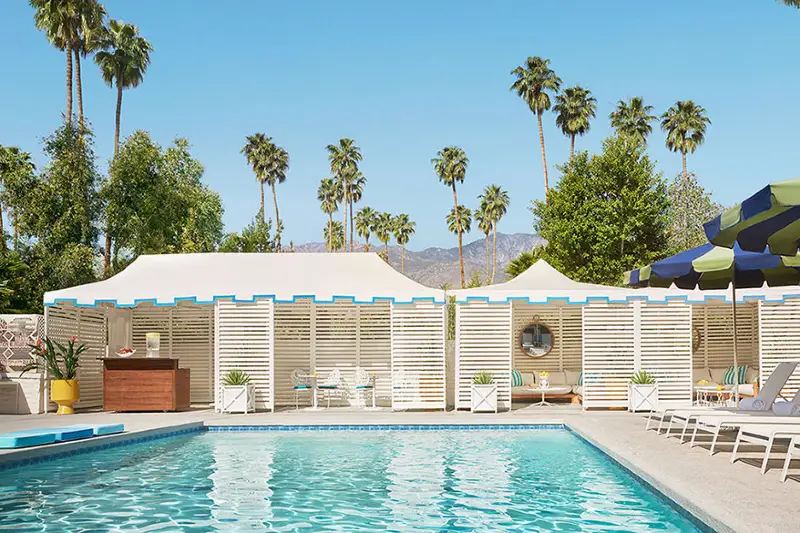
Thanks to new hotels, restaurants and festivals, Palm Springs is experiencing a cyclical renaissances of sorts. Similar to swings in the stock market, Palm Springs has a way of falling out of grace for years at a time only to roar back into vogue.
Have you ever stayed at an impressive resort that, while teeming with the promise of pristine pools and soothing hot tubs, seems to be a bit lacking in any actual partakers? The offerings, sure, are plentiful, but the sauna and steam room in their world-class spa? Empty. This may sound problematic for their business, but in the efficiency-driven, “as-a-Service” economy we live in today, it also presents a smart opportunity for mutually beneficial partnership. Enter ResortPass, a service poised to connect locals and day trippers seeking relaxation with access to a partnering property’s all too available amenities.
Some might say the company has taken a page out of the Airbnb book by leveraging the under-utilized assets at resorts and selling them as an experience, for a fee. Well, the model is certainly working out for both parties. Launched in 2016—with Gwyneth Paltrow, Jessica Alba and “The Point’s Guy,” Brian Kelly, as early investors—ResortPass is starting to hit their stride this year. Not only have they grown their network significantly, but they also closed a $26 million “B” round this past November. They now partner with over 900 hotels and resorts around the world, all allowing users to enjoy luxury experiences on a day pass basis.
The price, you might be musing, is surely where the catch lies. Not necessarily, as it is more so reflective of the level of service and amenities offered, as well as the brand. The Four Seasons, for example, will likely cost you more than a Marriot. The range might be from $25-100 per day for a standard pass—more for daybeds and cabanas. The cost for children is less, if not free, depending on age.
Carneros Resort—Napa Valley, CA
It’s early days yet and hard to forecast the level of overall demand there will be for ResortPass, but I do have one prediction. The “stickiness” of this service will ultimately reside more with travelers than locals. According to Michael Wolf, CEO of ResortPass, the early data disagrees. So far, the majority of ResortPass’s users are locals who want to experience the amenities of hotels in their own or nearby cities. A staycation, or even “day”cation, as they say.
“Our local users never had the opportunity to access the hospitality industry locally,” says Wolf. “They thought they had to get on a plane to enjoy those sorts of amenities.”
Miramar Resort—Santa Barabra, CA
To be fair, ResortPass does acknowledge all types of users, from locals to cruise ship passengers alike, and I’m sure they are targeting all sorts of people in various situations where the service would be compelling. Whether the local demographic remains their top revenue source is anyone’s guess, but I would wager that the true value of this service lies with a certain type of traveler staying at a certain type of place.
For example, guests staying at a boutique hotel—one that offers a terrific experience but without resort-level amenities—would seem to be likely customers. Vacationers staying with friends are another plausible group to appeal to, as they might still want a bit of pampering and that vacation vibe while they’re out of town. And then there is their ultimate customer, the ones where the value of ResortPass truly becomes apparent—and for me, it’s full circle back to Airbnb and its guests.
I love Airbnb. I don’t know anyone who doesn’t appreciate the service. They created a whole new segment of lodging at price-points that are generally more attractive than hotels, especially if you require multiple bedrooms. What Airbnb sorely lacks, however, is amenities. Sure, you can get a great pad with a pool, large kitchen and epic view of the ocean or mountains, but you cannot get the kind of facilities and social intangibles that luxury hotels and resorts offer. There is no way to spell a bustling hotel lobby, or expansive pools surrounded by chaises and cabanas, with dining and cocktail service at your fingertips.
Williamsburg Hotel—Brooklyn, NY
Ritz Carlton Bal Harbor—Miami, FL
And therein lies the true value of ResortPass. The best products and services are the ones that fill a void. It’s fine to build a better mouse trap and plenty of companies have made a living doing this. Even the most innovative companies in the world owe a lot of their success to products and services that already existed which they simply improved upon. Apple didn’t invent the smart phone; they just made it better. A lot better. But filling a void is the ultimate goal for most entrepreneurs. See Uber, Venmo and yes, Airbnb.
I think Airbnb would be wise to partner with—or dare I say, even purchase—ResortPass. It may start out as just an incremental supplement to their service, as it’s only useful if there is a qualifying resort nearby. Nonetheless, it would be a natural fit that could yield larger, more impactful results in the future. The Batman and Robin of travel disruptors, if you will.
ResortPass gets the GLR stamp of approval as a rising star in the resort space. Mark my words, they’re going places—and not just for the day.
One of the greatest elements of summer is the garden–may it be on a rooftop or balcony, in a backyard or wherever else the sun shines. There’s nothing like grabbing a ripe tomato from your garden and putting it directly into a salad. But summer’s spoils are not just relegated to the dinner table. Continue reading →
I pitched this idea to Airbnb’s Brian Cheskey a couple years ago (he has a public email address, for what that’s worth). Needless to say it never got a response. But I still think it has legs.
The idea is simple: offer add-on products, from bath-products to booze, that are shipped to the location in advance of the guests’ stay—waiting for them on the kitchen counter in a nicely branded package. These custom packages, on their own, are not intended to be huge revenue drivers, but they could do wonders for customer experience. Ultimately that is key for customer retention and annual revenue per user (ARPU).
Little things can go a long way when traveling
I’ll never forget the white sand beaches and turquoise water at Caneel Bay in St. John, where my wife and I honeymooned. I will also never forget the complimentary rum punch we were greeted with when we got off the boat. While it was just a small drink in a plastic cup, it was a really nice gesture—at the perfect time! Little things can sometimes go a really long way.
That is the essence of these packages. Some of them may seem prosaic but they have the benefit of timing, circumstance and in many cases, the intrigue of local vendors—Murray’s cheese in New York City for example. Others have a more nuanced and sentimental appeal that can also go a long way—especially with kids!
Happy kids = loyal customers = ARR
My son’s favorite car is a Tesla. It wasn’t until he actually rode in one, though, that he officially fell in love. It was not my Tesla, nor a friend’s, but rather the property of 1 Hotel South Beach. Getting a ride to Joe’s Stone Crab in that Tesla is a memory he will always have. Of all the great things I could say about that hotel (see our review), that Tesla ride is what my son remembers most and it’s essentially a complimentary service. An add-on.
While few Airbnb hosts can provide Tesla service, there are little things that can be offered (available for purchase, on the site, and mailed to the host in advance) that can go a long way with kids. Take the “Hogwarts” package for example (below). “Roomates”-brand bed spreads are not exactly luxury bedding. Nor is the miniature “Potion Bottle” night lamp a reliable light source. But you combine these with the Harry Potter decals and mini quidditch stick—and you’ve transformed an ordinary room into a magical place they will always remember. When the time comes to leave, the bed spreads fold-up and can fit into a small bag, along with the other accessories, that the guests can take with them.
A little history behind this idea…
When I ran marketing for Wine Spectator circa 2008, I put together a pitch for a co-branding campaign with an airline called “Flights on Flights.” The idea was to give passengers an option to buy the “Wine Flights” package when they purchase their ticket online. Yes, the title is pun. That’s why they paid me the big bucks.
When the drinks are passed, if you bought the package, you would be given a flight of 3 wines (2 oz pours) from Wine Spectator’s “Value Wines” index, plus the most recent issue of the magazine. There are clear benefits to all parties—Wine Spectator, the suppliers, the airline and the customer—which I’m not going to elaborate on in this article but you can use your imagination. Unfortunately, the financial crisis struck and my idea died on the vine (no pun intended on that one), but I think this kind of “value add” could be a perfect fit for Airbnb.
The art of photography once was a closed world, filled with mystery and concrete details. It was commonly considered that to make a decent photograph, you should at least obtain a few professional items – camera, lights, etc. But the technologies stepped forward, and with the appearance of the first smartphone models with cameras, the ethereal world of photography has shaken. At first, no one took it all seriously, but nowadays, mobile photography has become a separate kind of art form that can compete with classic techniques. By now, iPhone owners can create outstanding works using their phones solely.
There is a proven way to make your works popular, like the possibility to buy custom Instagram comments or likes. But in this article, we shall concentrate on mobile photography tips for beginners.
Turn On The Grid
The grid will divide your screen into nine equal segments. This is one of the key points that will help you create a decent composition for your photos. Remember that the objects you want to accentuate on your work should be situated either in the central segment or on the crossings of the lines. The grid also will help you to keep the horizon line parallel to the frame. The crooked horizon line is a fact that effortlessly reveals that you are a newbie in taking photos, so train a bit, or use framing later. But if your grid is turned on, it will be easier to shoot accurately at once.
Don’t Make Things Complicated
Getting back to the composition, as it is a prominent aspect in photography. At some time, if you feel the urge to put more and more details in your frame – drop it like it’s hot! Adding too many objects to your composition distracts the viewer’s attention from the one you want to show as the central piece. But you can also interact with your followers in the comment section and ask them what they think about your works. Minimalism is easier to shoot and requires fewer corrections later. Of course, shooting a single object on a monotone background can seem tedious, but you should focus on the textures and colors, which can add accents to your photo.
Find A New Angle
The secret of being a good photographer is to be able to see things differently. Thinking outside of the box is a must if you really want to impress people with your works. While the majority of people shoot, holding the device in the chest area, a true photography enthusiast will find another angle to make a great shot. Use your fantasy and try out all the ideas that you come up with. Don’t always give a deep sense to your pictures – sometimes, the desired result is a pure visual delight. Pay attention to things that happen around you, and try to show how colorful and engaging the world can be.
Aim For Depth
Creating a three-dimensional effect on your photos makes the shot more engaging and storytelling. This factor is especially vital for landscapes, where animated objects are often absent. The easiest way to add depth to your photo is to include leading lines in your composition. Mostly, a role of a leading line is played by roads of different kinds. Still, it can be rivers, clouds, or fences – basically, anything that can lead the viewer’s eyes through the architecture of the shot from the foreground to the background.
The second popular method to add a sense of depth in the photo is to use closed composition. Closed composition means adding an object into the foreground, which is partly visible, so the picture tunnels. This way, you have objects in your frame’s front, middle, and back, imitating the actual sight.
Show More Details Closely
The devil is in details, and sometimes a close-up can reveal a whole new world for your viewers. Macro-shooting discovers textures and colors deeper, making your works more engaging as well. In a few years before, to catch the minor details, a specific camera objective was required. Still, modern smartphones can now capture high-resolution images as well, so in your search for a perfect frame, you can get closer to the object. Shortening the distance between the photographer and the object works not only for exciting nature shoots but for portraits too. With the current possibilities of the camera, you can catch emotions and tiny face features that would visualize the character of your model. If you work well enough on the details, it will all pay off in the comments, likes and followers on your profile.
Retouching And Enhancing
Of course, it is hard to create a masterpiece in one click. Most photos require a particular correction after the initial shooting. For mobile photography, the main tool that helps to improve the shot is color correction, along with cropping, graining, exposure settings, etc. These are fundamental changes that are implemented in most mobile appsfor photo retouching. Nowadays, one of the most popular apps for iPhones is VSCO, which offers a free set of basic enhancements (contrast, white balance, graining, etc.) and a range of more complicated instruments available to users for paid subscriptions. The main benefit of this app is creating, and saving presets that can be applied to several photos – making a series. VSCO presets are also sold and distributed freely by people who are mobile photography enthusiasts, so you can choose the ones you like and apply them to your shots, having a brilliant result.
Look For Symmetry
Another excellent technique for creating interesting and beautiful photos is capturing symmetry in your works. The human eye loves perfection, and symmetrical shots easily drive attention and impress the public. Besides, it is easy – nature is all about symmetry and perfect forms, so the world around you is filled to the top with the objects to catch in your camera. However, beware of making a totally symmetric composition. To make the picture look more natural, move the central part of the composition to any side slightly, or allow one tiny detail to intrude on it. Imperfections are also natural, so this way, you will make your scene look lively. Find symmetry in the real things – reflection in the water, leaf patterns, or the structure of human features.
Place Objects By Diagonal
Along with centered perspective, you can also add intrigue and engagement to your shot if the objects in your frame are placed diagonally. Such method allows you to add more details to the shot and provides visual harmony that pleases the eye of your viewers and will make him leave the like or comment organically. The technique works perfectly if you want to introduce two or three objects in your shot. The diagonal lines in your composition can be displayed by the patterns and shades as well – thus, you also create a direction for the viewer’s eye to follow.
This article was originally published on Pursuitist. Republished by permission.
Learn how to make perfect, restaurant quality steaks at home. Restaurant chef secrets are revealed in this how-to segment that teaches you how to make the best steaks. Featuring Lobel’s Steaks of NYC and wine from Robert Mondavi of Napa Valley, enjoy an easy culinary creation for a gourmet meal at home.
Ingredients:
Steaks – Lobel’s American Wagyu Ribeye Steaks Recommended
Sea Salt
Fresh Pepper
Olive Oil
Wine – Robert Mondavi 2007 Cabernet Sauvignon Reserve Recommended
Step 1:
Preheat oven to 450 degrees.
Step 2:
Open a bottle of wine.
Step 3:
Let the steaks come to room temperature.
Step 4:
Lightly brush the steaks with olive oil on both sides.
Step 5:
Sprinkle steaks with sea salt and cover with fresh ground pepper.
Step 6:
Turn burner on high heat. Pre-heat dry pan for 2 minutes. Place steaks in pan.
Step 7:
Don’t flip-flop the steaks. With tongs, check to see if a crust is forming after a few minutes. If so, turn the steaks over once and repeat the process.
Step 8:
Place the pan containing the steaks into the oven. Enjoy more wine.
Step 9:
After two minutes, take the pan out of the oven. Check the steaks with a meat thermometer. Desired temperature for medium rare is 125 degrees F.
Step 10:
Take the steaks out of the pan. Let rest for 5 to 10 minutes so the juices settle before eating. Plate, garnish and and enjoy your steak.
About Lobel’s Steaks:
For five generations, the Lobels have been purveyors of fine meats dedicated to the highest standards of quality and personal service. These standards have made their butcher shop an institution in New York City, where the family’s Upper East Side store enjoys a devoted clientele comprised of celebrities, prominent business executives, and others who value the highest quality prime meats and attentive service. Learn more at: http://www.lobels.com
About Robert Mondavi Winery:
The Robert Mondavi Winery is recognized nationally and internationally as a leader in the wine industry. From the introduction of cold fermentation in stainless steel tanks and the use of French oak barrels in the late 1960’s, to collaboration with NASA using aerial imaging to understand the health and vigor of the vines in the 1990’s, the Robert Mondavi Winery has always been at the forefront of wine industry technology. Their innovations, such as gentle winemaking techniques to increase wine quality and natural farming to protect people and the environment, have led to fundamental changes in the industry’s approach to winegrowing. Learn more more at: http://www.robertmondavi.com/
It’s not about being the first. It’s about being the best. When it comes to shipping golf clubs, there are a ton of reasons to use Ship Sticks—the five-year old company that specializes in shipping golf clubs to and from resorts for traveling golfers.

 Our New “Resort Fee-Justicator”