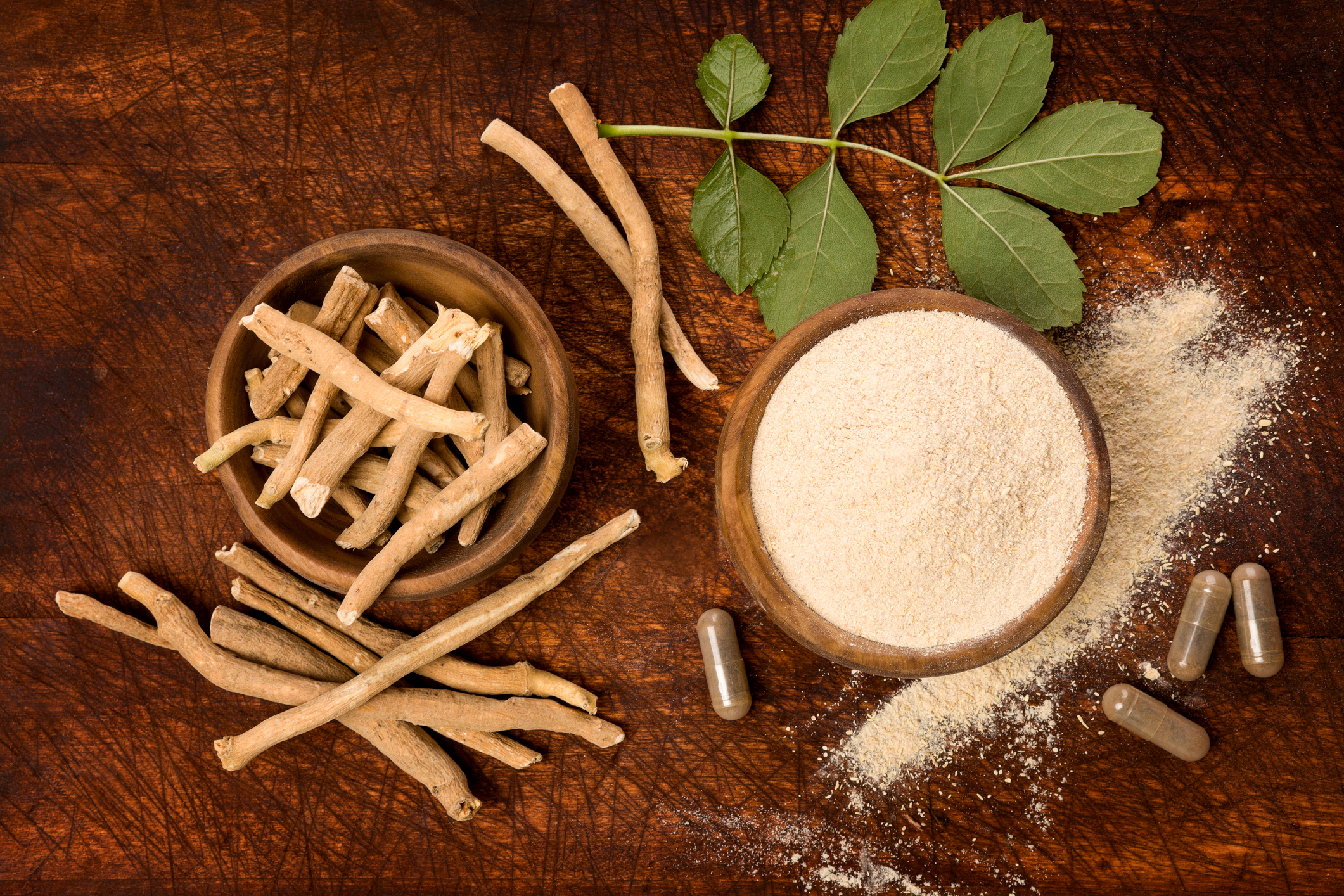
Ashwagandha, an ancient herb rooted in Ayurvedic medicine, has surged in popularity as a dietary supplement (and organic supplement) in recent years. Known scientifically as Withania somnifera, this adaptogenic herb is celebrated for its potential to help the body manage stress, improve energy, and support overall wellness. But what’s driving its widespread appeal? Here are the key reasons behind ashwagandha’s rise to fame.
Stress and Anxiety Relief
In today’s fast-paced world, stress and anxiety are common concerns. Ashwagandha is renowned for its adaptogenic properties, which may help regulate cortisol levels—the hormone associated with stress. Studies suggest that ashwagandha supplementation can reduce feelings of anxiety and promote a sense of calm, making it a go-to for those seeking natural stress relief.
Enhanced Energy and Focus
Unlike stimulants that cause jitters, ashwagandha is believed to boost energy by supporting the body’s resilience to physical and mental fatigue. Many users report improved focus and stamina, which appeals to professionals, athletes, and anyone juggling demanding schedules. Its ability to enhance cognitive function has also sparked interest among those looking to sharpen their mental clarity.
Sleep Support
Ashwagandha’s calming effects extend to sleep. Research indicates it may improve sleep quality by reducing stress and promoting relaxation. With sleep disorders on the rise, the herb’s potential to help people achieve restful nights has made it a popular choice for those seeking natural sleep aids.
Hormonal and Physical Health Benefits
Ashwagandha is often marketed for its potential to support hormonal balance, particularly in men and women dealing with stress-related imbalances. For men, it’s linked to increased testosterone levels and improved reproductive health. For women, it may ease symptoms of menopause or menstrual discomfort. Additionally, some studies suggest it can enhance muscle strength and recovery, attracting fitness enthusiasts.
Accessibility and Versatility
Available in capsules, powders, tinctures, and teas, ashwagandha is easy to incorporate into daily routines. Its natural origin and relatively mild side effect profile make it appealing to those wary of synthetic alternatives. The herb’s versatility also allows it to be paired with other supplements, like turmeric or magnesium, for enhanced effects.
Backed by Tradition and Science
Ashwagandha’s use in Ayurveda for over 3,000 years lends it credibility among those drawn to holistic health. Modern research, while still evolving, supports many of its traditional uses, fueling consumer confidence. As more studies emerge, the herb’s reputation as a safe, effective supplement continues to grow.
The Wellness Trend
The global shift toward natural and preventive healthcare has propelled ashwagandha into the spotlight. Social media influencers, wellness blogs, and health professionals frequently tout its benefits, amplifying its visibility. As consumers prioritize self-care, ashwagandha fits perfectly into the trend of seeking plant-based solutions for modern ailments.
While it’s not a cure-all, its ability to address stress, sleep, energy, and hormonal health (all of which can indirectly help with weight loss too) makes it a staple in many supplement regimens. As always, consulting a healthcare provider before starting any supplement is wise to ensure it’s right for you.