Peace in a Pod


The pod people are coming. And they have their own hotels.


When he first introduced the property in the cutthroat hotel-scape of New York five years ago, Richard Born of BD Hotels went against convention — hard. While other debuting spaces one-upped each other with ever more rarified levels of luxury and exclusivity, the Pod 51, at 230 East 51 Street in Manhattan’s Midtown East section, shot for the modest-of-means hipster crowd. The rooms were small. The showers were communal. The starting price was $119 a night.


The success was immediate.


And, riding the wave of that success, this month witnesses the Pod becoming a chain. Using Pod power to reincarnate the old Allerton House at 145 East 39 Street as the new Pod 39, says Born: “This is a rare instance where a hotel genre has developed organically. When we opened the first Pod, we found it attracted a very particular kind of person: Individuals who thrive on travel and are looking for a hotel that enhances their exploration of a place. For them, the communal experience in the hotel’s public space is vital, being plugged-in is essential, and terrific style at an affordable price is expected.”


Translated, Pod people reveled themselves to be all about form and function, but frills? Not so much. And at either property, stepping into your room, whether it be the Single Pod, Double Pod, Queen Pod, Bunk Pod — it’s just what you think it is — or one of the Odd Pods (a townhouse studio-type space or a room with two double beds, depending on which hotel), is to step into an environment as efficient as your college dorm room but without the cut-rate color scheme and unflattering fluorescent lighting.


To some, to have the moniker “pod” brings to mind those vaguely unsettling honeycomb hotels in Japan, but with the Pod 39, Born and his team created an environment as welcoming as it is efficient. Of the 366 rooms, there are 57 singles, 83 bunks, 88 doubles, 137 queen-sized, and one double bunk, and the starting price remains a ridiculously-cheap-for-New-York $119 a night. Into each room designer Vanessa Guildford integrated bedside media hubs with a full range of ports allowing guests to connect to the room, view personal photos, videos and entertainment on wall-mounted flat-screen TVs. WiFi is free. But while the tech is 2012, the design, like that of the Pod 51, is decidedly a pared-down mid-century mod: the light fixtures are a classic design from Leucos, the calendar wall clocks are inspired by the concourse displays and next train indicators. (Unlike its predecessor, and in a possible relief to the modest among us, the Pod 39 features private bathrooms in every room.)


Pod 39 Hotel NYC


While Pod 39 stays close the DNA of Pod 51, the 17-floor Allerton House, built in 1918 and whose brochure described it as having “quiet, refined, club-like homes that provided socially respectable, economical housing for hard-working, refined, ambitious young men and women,” provided Born with more funky finishes than those at the original space. The vast ground-floor lobby is reconfigured to create distinct public spaces while promoting a natural flow from one to another. After passing through a vibrant red-tiled vestibule, guests enter a high space with a “window box” reception desk, a coffee bar, and a Pod-particular feature: A “screening wall” where guest photos and videos are projected around the clock. The original Gentlemen’s Sitting Room upholds its illustrious heritage by remaining proudly all-purpose: Part restaurant-lounge, part library, part workspace and part communal center of the Pod 39 social experience as a whole. The terra cotta floors and enormous east fireplace remain intact; the ceiling soars.


The rooftop setting is styled into the ultimate under-the-stars shmoozing zone. In keeping with the building’s ornate Romanesque architecture, the two-story “cloister” is framed with brick arches and terra cotta columns. New York icons rise in in every direction: East to the river, south to the lower-Manhattan skyline, southwest to the nearby Empire State building, and north to the even closer Chrysler building.


“The Pod is like no other hotel brand I know,” says Born. “From the moment we opened five years ago, we attracted a self-selecting community of individuals who really relish travel and the social experience around it. We have always looked to them to determine how to evolve. With Pod 39, we’re building upon all of that knowledge. It’s been an exciting process because it feels like we’re capturing the essence of travel, which is discovery.”

The World on a Platter

For those of you not in the know, Cox & Kings is not just a travel agency. Go to the website and you’ll find several dream-destination stand-bys — Peru, Egypt, South Africa — but delve a little further and it becomes clear why this company has been around since 1758 (yes, 1758).

Welcome to the world of “bespoke travel,” where an unlimited budget will get you everywhere. And boy, do I mean that.

“We believe that travel changes lives, and we’re dedicated to creating authentic, handcrafted, travel experiences, full of surprises, wonder, and excitement,” sums Scott Wiseman, president of the agency’s Americas wing. “So whether you want to trek through the wilds of Patagonia or learn the traditional art of the tea ceremony from a Japanese master or track the Big 5 in the Ngorongoro crater in Tanzania, we have the expertise and relationships to ensure that your journey is completely unforgettable.”

If that doesn’t register, it’s time to wake up and smell the kopi luwak. Japanese tea ceremony masters, for example, reach such a rarefied level of honor in Japan that getting an audience with one, much less instruction from one, is nearly impossible for the natives, and entirely impossible for non-natives — unless you have some serious connections. And with 255 years of networking behind them, Cox & King has nothing but.


38378


A private dinner with your favorite Bollywood director? No problem. Celebrating indigenous festivals alongside the natives? You betcha. A tour of the coast of Antarctica with a top polar researcher? A little brainy, but just ask. A Cox & King experience isn’t some hermetically-sealed bus ride with you on the inside and the windows acting like TV screens; they get you right into the action.


40317


“2014 is a particularly exciting year as it represents the broadest spectrum of trends we have ever seen,” says Wiseman. “There is exponential growth in travelers pushing beyond what would have been considered unique just a couple of years ago, bringing the ‘YOLO’ spirit to the way they want to engage with foreign cultures.”


939x427


You don’t have to go to the top of Japanese society, middle of the Amazon, or the bottom of the planet to get a full picture of what can Cox & Kings provide, although it would be recommended — may as well start at the highpoint. As for what Wiseman alluded to in 2014, from “glamping” on the Serengeti to a custom-made “Bucket List” trip, Cox & Kings answers all those dreamy-eyed travelers who say they want something unique and then opt for a sugared-up McVacation that is about as authentic as a Bernie Madoff stock option (Warning: If you go all the way to Thailand and everybody is speaking English, it’s a bad sign).

As the world’s longest-running travel company, Cox & Kings has been designing, organizing and leading exceptional journeys,” Wiseman tells GLR. “We have been at the forefront of exploration, organizing the first attempted expedition to Mount Everest in 1922 and bringing Mahatma Gandhi to Europe in 1933.”

So, yeah, they can put their money where their mouth is.

The Road Less Traveled

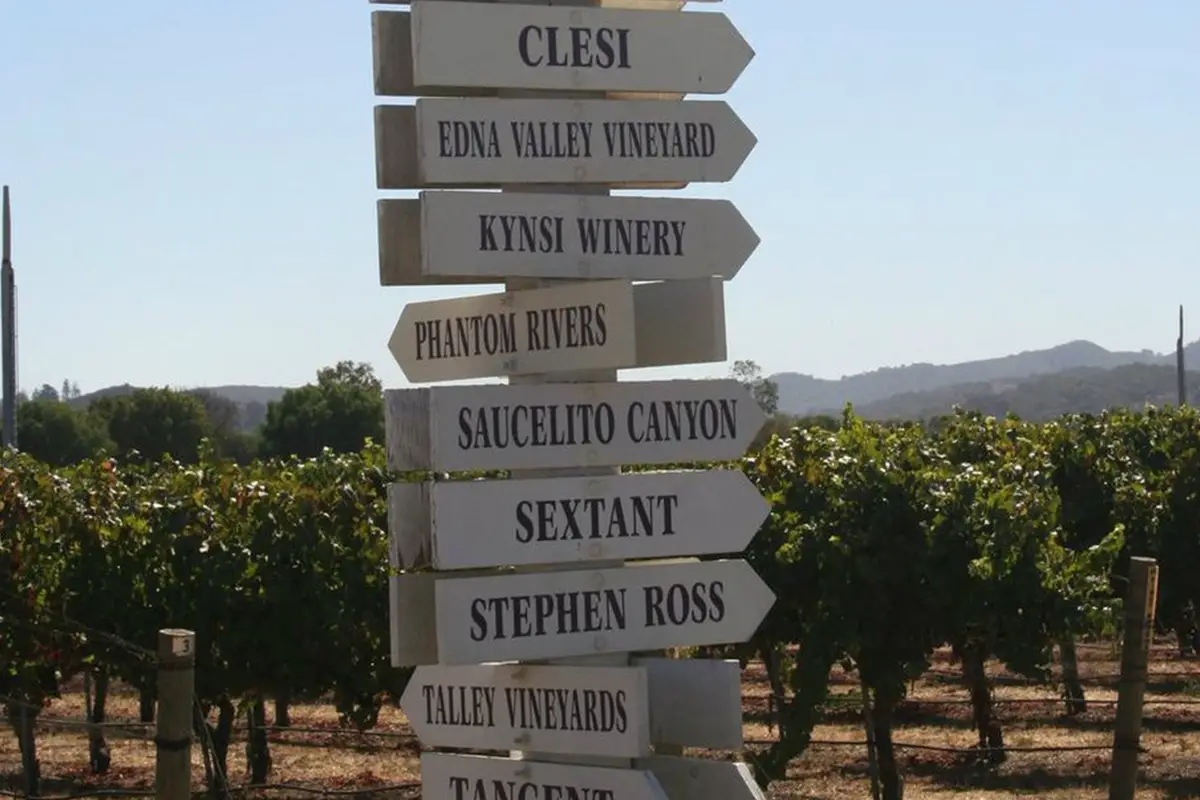
The Central Coast prides itself on being off the beaten path, even though this is becoming less and less the case as the area gains notoriety and vineyards continue to sprout up like wildflowers. One can easily find wines of equal caliber to their better-known Napa and Sonoma counterparts, but here you’ll find a much more laid back, less touristy feel. Continue reading

Lots To Do At Little Nell

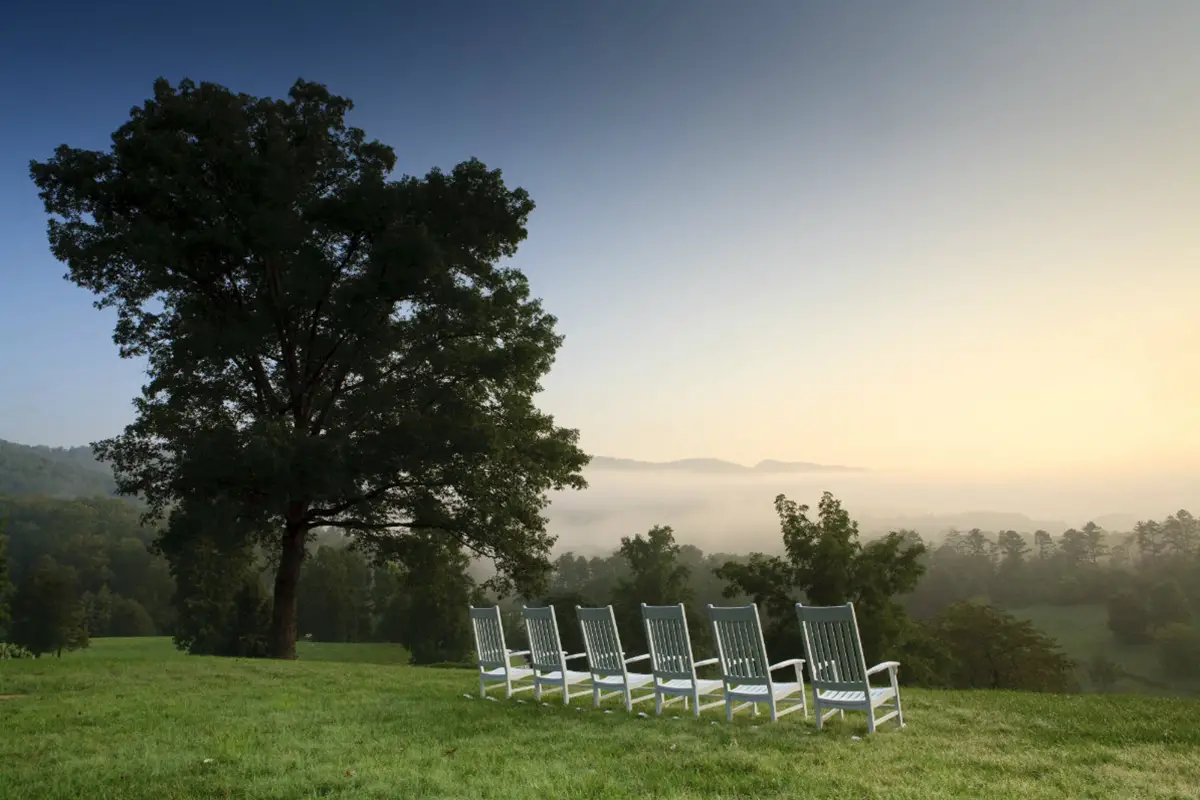
Aspen’s Little Nell has an enviable ski-in/ski-out location at the base of Aspen Mountain, while drivers will also shuttle skiers to nearby Snowmass and Buttermilk. The 92 spacious rooms opt for a masculine, clean look in creams, browns and blues, with walnut details. Continue reading

Blue Curacao

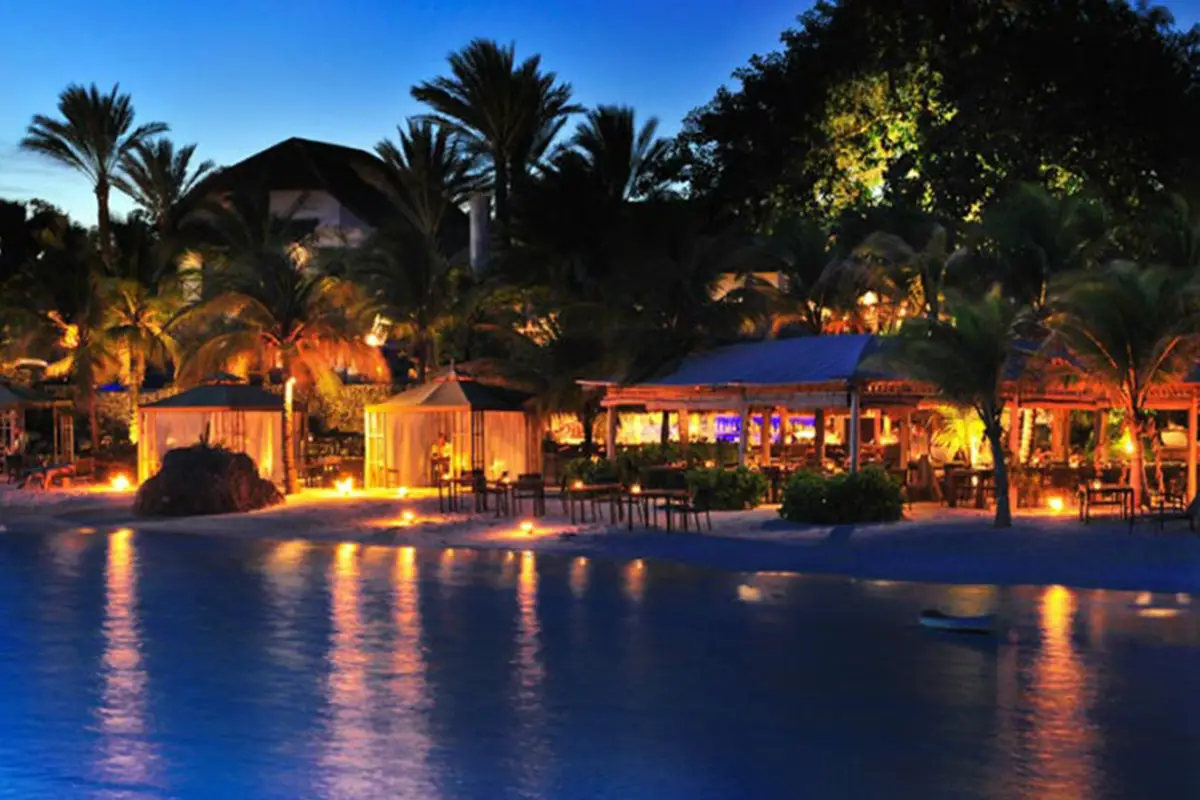
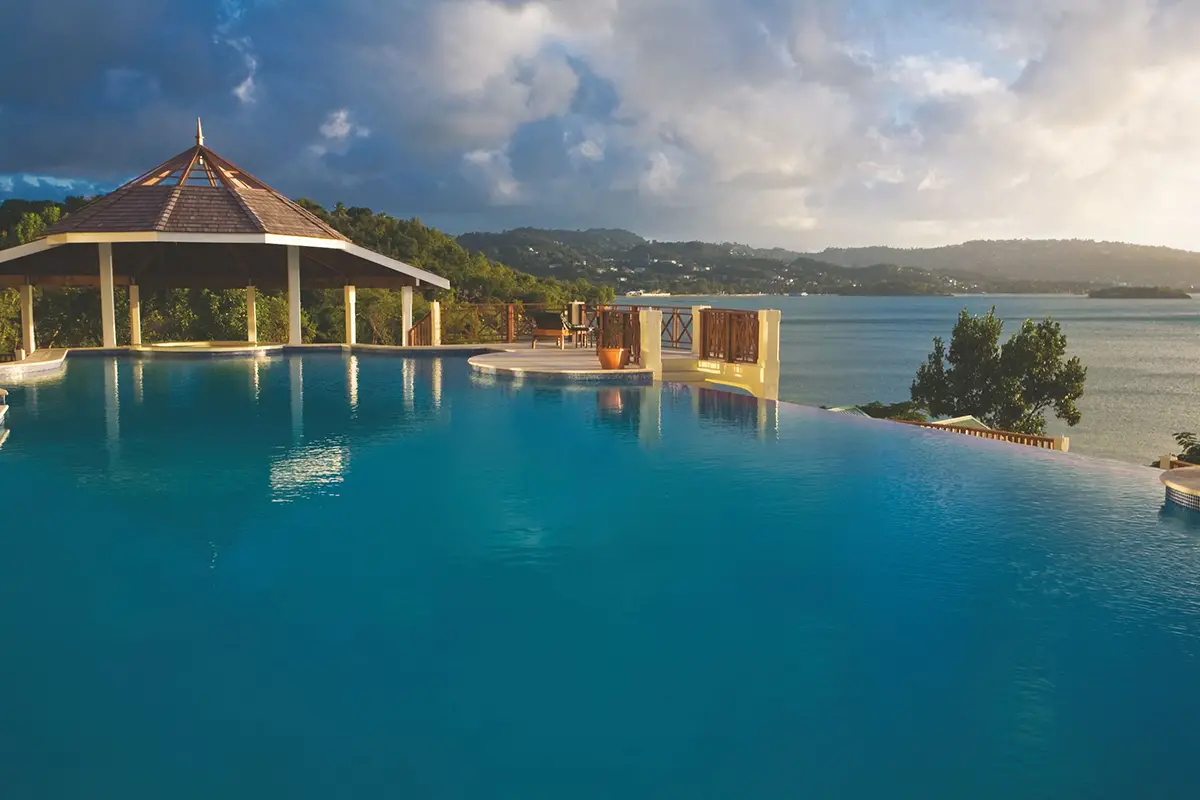
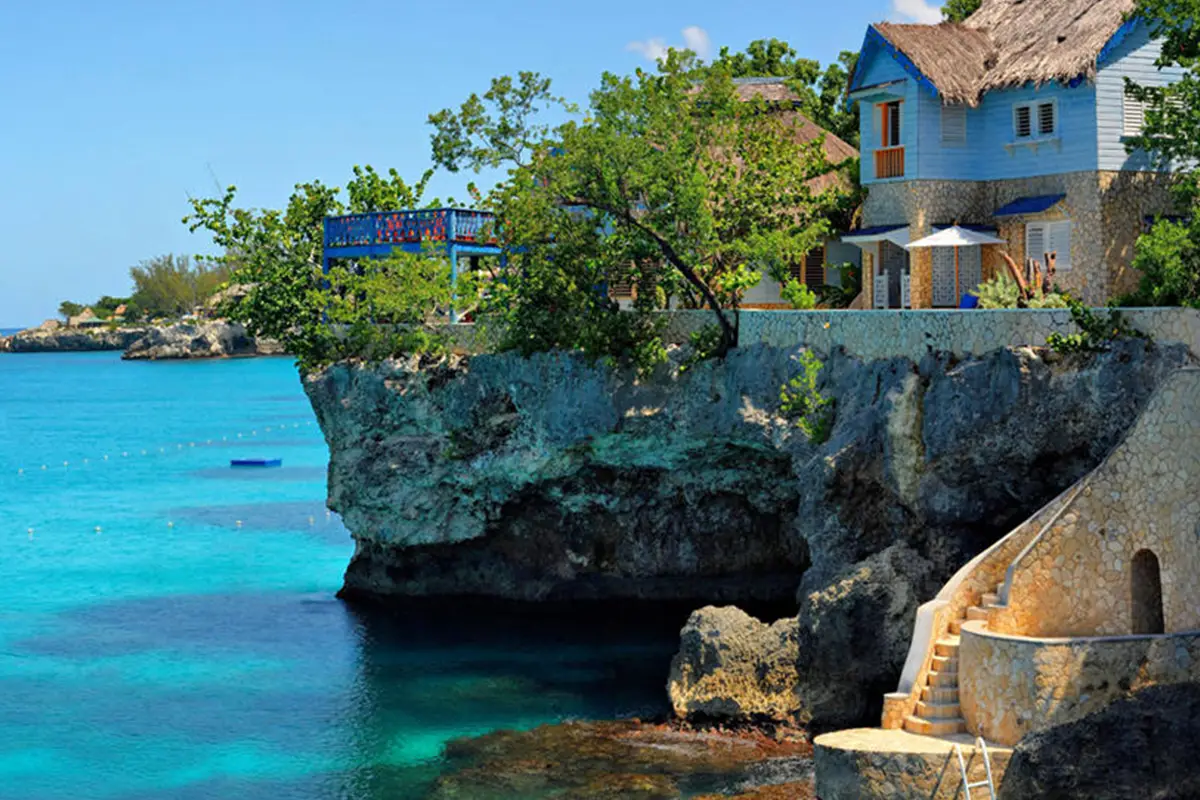
It is said that to go to Ireland is to experience every shade of green there is. If so, then the Caribbean is the showcase for all things blue. Continue reading

Georgia on My Mind

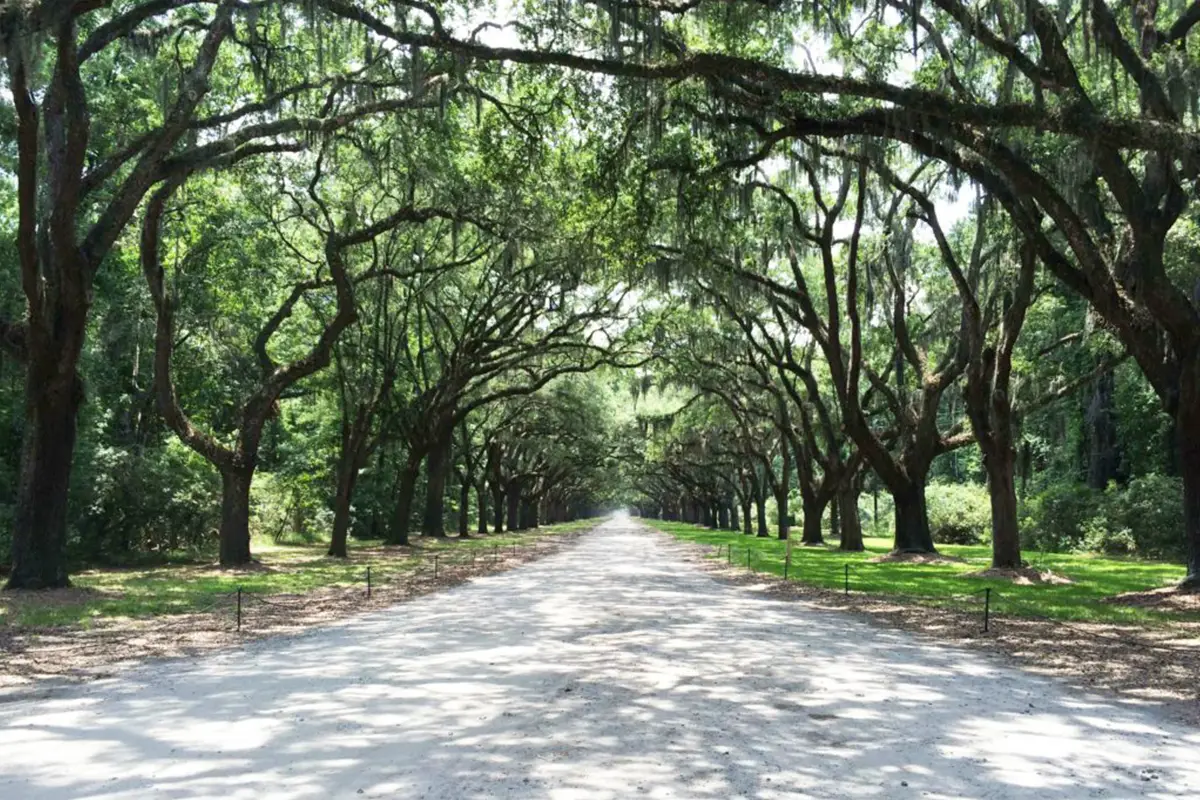
People may write songs about Paris in the springtime, but the streets of Savannah, Ga. are filled with the sounds of music and the scent of magnolias during its annual Music Festival. Kicking off on Thursday, March 22, and running for two weeks, this festival is famous for its eclectic line-up, drawing performers in an astounding array of musical styles. There are few other festivals where you can catch a bluegrass concert at noon, choose from chamber music or a Cajun at six, and then move on to hear New Orlean’s Preservation Hall Jazz Band before bed. 

The festival is 17 days long, so even if you can’t make if for this week you should consider heading south sometime soon. The musical smorgasbord of over 100 performances is truly one of a kind, and you’re likely to snag better seats at this event than you would if you were to try to catch one of the performers in concert elsewhere. A full calendar can be found here.

When you’re dreaming rather than dancing, the famous 24 squares (which date to 1733, when the English gentleman James Oglethorpe laid out the city’s plan) are home to B&Bs that range from modest to luxurious, as well as several larger properties. The 126-room Mansion on Forsyth Park is arguably the city’s most luxe option, located in the city’s historic district and, as its name implies, facing downtown Savannah’s largest park. The décor is a mix of antiques and contemporary pieces, and old pieces given a contemporary makeover with a coat of eye-popping color. It’s a jumble that feels appropriate for this city that is at once stately and eccentric, the unique atmosphere famously captured in “Midnight in the Garden of Good and Evil. The 17-room Hamilton-Turner Inn is more intimate, found in an appealingly atmospheric Second Empire mansion on Lafayette Square. The decor includes four-poster beds, potted palms, and Oriental rugs. They pile on the Victoriana but stop becfore it gets cloying.

Savannah isn’t especially known as a culinary capital, but they know how to fry up catfish. The Olde Pink House on Reynolds Square (adjacent to the Planters Inn) serves sophisticated Southern fare (hush puppies with a peach remoulade; Vidalia onion and sweet potato ravoli) in an elegant 18th-century mansion. Winos and seafood lovers will relish a meal at 700 Drayton, a fine eatery located in the aforemntioned Mansion on Forsyth Park. Allow your eyes to feast on chic artwork as you enjoy the best of local cuisine. Dessert seekers should seek out long-standing Savannah fixture Leopold’s Ice Cream, a classic old-school soda fountain that first opened in 1919 but then closed in 1969. In 2004 the store reopened at a new location, on East Broughton Street, a short walk from Reynolds Square and Oglethorpe Squares. Many of the furnishings are original, while the flavors range from traditional (butter pecan and their signature tutti frutti) to new-fangled (Japanese cherry blossom). If an ice cream shake doesn’t pack enough punch for you, head to River Street, which runs parallel to the Savannah River and is packed with jazz bars, nightclubs and lounges.

Finally, and especially if you are headed to Savannah after the heat of summer has settled in, consider a detour to Tybee Island, 20 minutes from downtown. The seven-room Tybee Island Inn has gardens draped in Spanish moss, and is a perfect base for exploring the quiet three square miles of sandy beaches and salt marshes.

Mucha Lucia

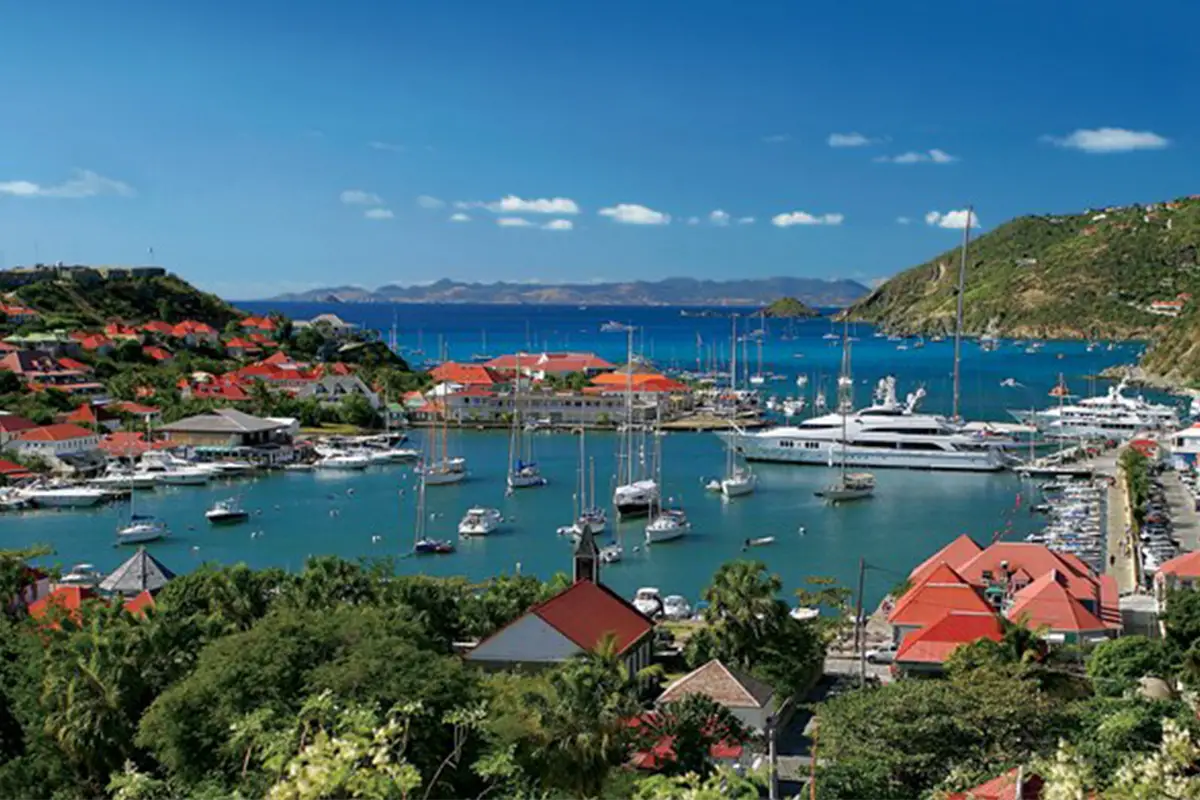
Forming the easternmost reaches of the Caribbean Sea, the speckles of paradise that make up the Lesser Antilles, are, each and every one of them, anyone’s idea of a tropical island getaway. Continue reading

The New Miami

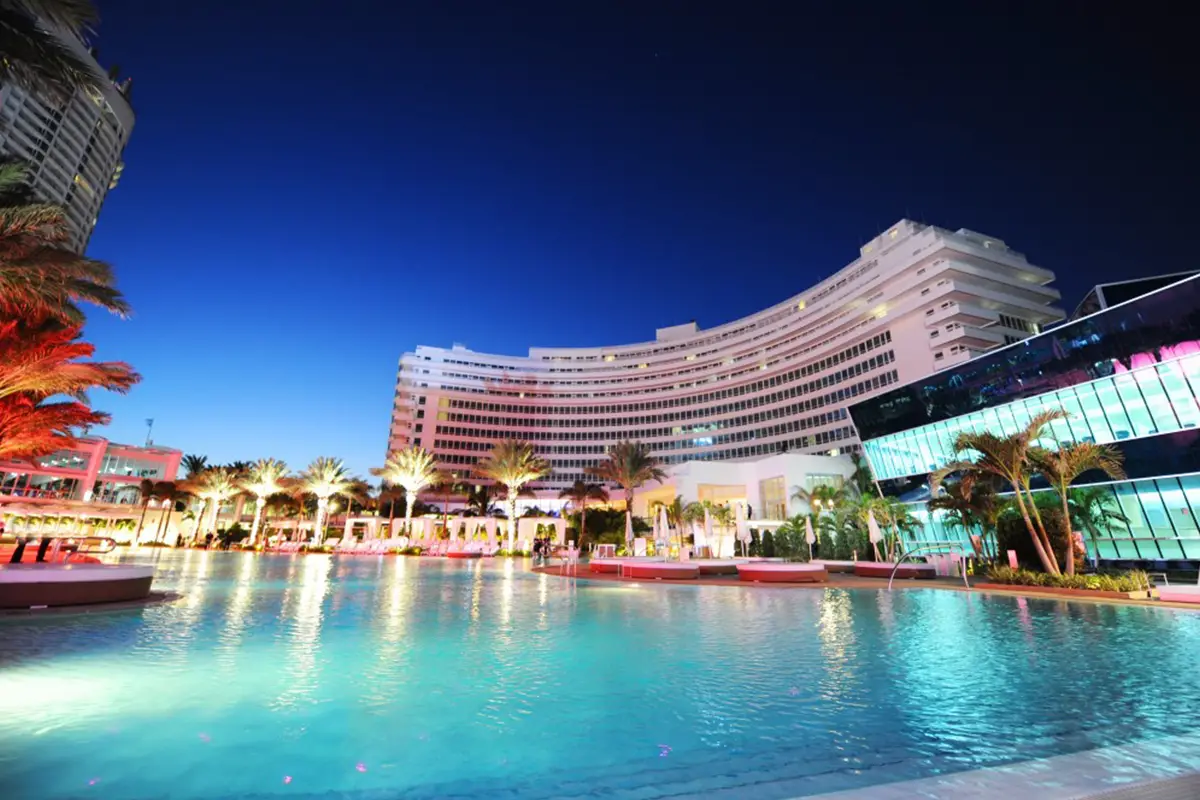
South Beach has long been synonymous with Miami cool. And while the restaurants and Art Deco hotels on Ocean Drive entice visitors and locals alike, Miami is more than just the SoBe scene. Downtown Miami is thriving, with new residences and bars opening regularly, and further up the beach from the Delano and the like, lies another hotspot. Continue reading

Colombia’s Coffee Triangle

Nearly everyone is familiar with Juan Valdez, the character created by Colombia’s coffee industry in 1959 to promote bean exports. Fewer people, though, tend to know about the region that inspired the character. The aptly named Coffee Triangle (Cafetero Triangolo) was designated a world heritage sight by UNESCO in June 2011. I had the pleasure of visiting this past August.


Nestled in the Central Andes in the heart of Colombia, the Coffee Triangle gives its visitors something completely different from the colonial Caribbean vibe of Cartagena and the frenetic urban sprawl of Bogotá (the two most popular destinations for North American travelers to Colombia). From 18th century “fincas” to modern boutique hotels with amenities to match, this mountainous area is home to a glorious range of seriously one-of-a-kind accommodations. A standout is the “boutique hacienda” property Sazagua. Reflecting the flora of the region with its bamboo décor, each room is equipped with Wifi and a flatscreen TV. The effect of this is a unique expression of eco-sensitive luxury that perfectly captures the essence of Colombia’s burgeoning inland tourism.


What to do once there? Of course you should tour a plantation and do a coffee tasting (something that is taken as seriously here as wine tasting in a grape-growing region) but the biggest draw for me was nature. There are many well-appointed golf courses; Colombia is known as something of a golfing destination within Latin America. Or you could go hiking in the Los Nevados Natural Parque, whose highest snow-capped peaks stretch some 5,000 meters above sea level. For those in search of adventure, there’s white water rafting and canopy ziplines. I did the Bosque de Saman, a dizzying course that takes you more than 2,000 meters above a lush canopy of coffee plants (full disclosure: I almost chickened out from going at all, but was cajoled into taking the plunge by the guys running the zipline. I’m happy I caved, though, because even for this terrified-of-heights traveler, it was a beautiful experience.) After upping the adrenaline, you may want to take advantage of the region’s famed natural springs. Los Termales de San Vicente and Santa Rosa are home to spas, natural springs and various accommodations for travelers in search of calming, age-old water cures. Another incredibly relaxing excursion is a visit to the botanical gardens and butterfly preserve, which is home to more than 600 species of plants, 200 of birds and many, many fluttering mariposas.” Horseback rides and four-wheel-drive Jeep excursions are also a popular way to immerse oneself in the region.


Even if you’re a tea drinker, there are culinary takeaways that make this mountainous region a delicious experience. Colombia’s indigenous assortment of fruits – and the concordant ubiquity of fresh squeezed juices and “batidos” (milkshakes made with fruit) – is truly impressive. Guayaba, guanábana, pineapple, chirimoya, curuba, níspero, lulo, maracuyo, tomate de árbol (that last one means “tree tomato” and it looks like a tomato but tastes sweet and tart): the list goes on and it was unlike any place I’ve ever been in terms of taste and variety. Plus, the locals know to capitalize on their natural riches: From decadent and colorful breakfasts to thoughtfully prepared dessert, the jewel-toned regional bounty makes constant appearances. Another must-have meal in the Central Andes is their river trout. A specialty of the “estancias and farmhouses of the area, it’s prepared to order and 100 percent representative of the clean flavors of the coffee region.


*Not enough of a java boost? Check out fellow GLR writer David Perry’s review of the Presso Espresso Coffee Maker.

Africa the Eternal

It is the cradle of humanity. There’s a little bit of Africa in all of us. And she’s calling us home.


From the legendary vistas of the Serengeti and Ngorongoro Crater, to the crystalline heights of Mt. Kilimanjaro and the deep green depths of her equatorial rainforests, “Africa’s landscapes are immensely varied,” says Dennis Pinto, “populated by animals in the thousands and some of the friendliest people you’ll meet anywhere.”


The managing director for Micato Safaris, Pinto is part of a 40-year family tradition of creating one-of-a-kind excursions across Africa’s storied landscapes. Named “World’s Best Tour Operator and Safari Outfitter” by the readers of Travel + Leisure for an eighth time, Micato began in 1966 in Kenya.


“My parents, Felix and Jane Pinto, began Micato Safaris because they wanted to share ‘their’ Kenya with travelers,” explains Pinto. “For us though, Micato is more than just a business; it’s a labor of love.”


As the world’s premier luxury (and nothing but luxury) safari coordinator, Micato partners with many of the most exclusive properties on the continent – the Serengeti Migration Camp, Kirawira Luxury Tented Camp, and Ngorongoro Crater Lodge among them – to craft a start-to-finish extravaganza of African splendor blended with unmatched service. Groups, limited to 12-14 guests, travel in air-conditioned Mercedes Viannos, leather-upholstered Land Rovers and chartered bush planes to minimize travel time between destinations. Micato even provides each guest with a 24/7 personal concierge to attend to any unforeseen needs, and, adds Pinto, “We employ tribesmen and women as local ambassadors who spend time with travelers, sharing insights about their traditions and day-to-day lives.


“We also have special connections to people who are shaping today’s Africa and can arrange special experiences for our guests depending on their interests,” Pinto continues. “We can arrange for a guest to go on an archeological dig with famed paleontologist Louise Leakey, or have a private audience with Dame Daphne Sheldrick, renowned for her work saving orphaned elephants. We spend significant one-on-one time with travelers, tailoring the perfect safari.”


And Micato isn’t above throwing in the odd perk, like the man who found out his Safari Director had arranged a surprise birthday party (favorite ice cream included), or the opera enthusiasts who found one of Cape Town’s leading opera talents at their table during a home-hosted dinner in the city.


This is how you become number one for the eighth time.


Operating in Kenya, Tanzania, Rwanda, Uganda, South Africa, Botswana, Namibia, Zambia and Mozambique, Micato recommends visiting in Africa’s dry season, when the herds are most likely on the move: July – October for eastern Africa, April – October for southern regions. With it being the most popular season, and not just for Micato, it is recommended you book well in advance. However, notes Pinto, Africa and Micato provide once-in-a-lifetime experiences year-round.


Africa calls. Her adventures beckon. For as geographer George Kimble said, “The darkest thing about Africa is our ignorance of it.”


To book a Micato Safari, visit www.micato.com; or call 1-800-MICATO-1

Wine, Spas and Springs in Napa at Calistoga Ranch

It’s crush season in Napa. From now until the end of October, Northern California’s incomparable wine country will be even more bountiful than usual as wineries celebrate harvest season with music, events and much more.


The area is home to many amazing resorts and hotels but for a truly one-of-a-kind experience, I can’t recommend Calistoga Ranch highly enough. Built into a private canyon and comprising 48 freestanding guest lodges, it’s a hidden luxury retreat in the heart of the Napa Valley.


The town of Calistoga has a long history as a charmed destination. Its natural hot springs were a big draw to early settlers who gave the town its name by combining California with Saratoga, New York state’s famous hot springs destination.


The area’s first official spa was on the site of what is now Indian Springs. The original 1861 spa featured amenities that have since been converted into a state-of-the-art spa and resort with a naturally heated Olympic-sized mineral pool. Today, Indian Springs continues to draw guests from all over the world.


What makes the Calistoga Ranch such a standout is that it combines the rugged natural beauty of the area with sophisticated design. Its architects seem to have built luxury right into the landscape. Rather than cut down the exquisite, centuries-old trees which give shade to the canyon, they built the cabins around them. Some cabins have thick tree trunks sprouting up right through the middle of their floors. Indoor/outdoor fireplaces (each cabin has one) complete the seamless joining of the natural with the manmade. Other luxe amenities include Mercedes convertibles available for guests’ use and private outdoor Jacuzzis.


The “Wine Cave” at Calistoga Ranch


The property is home to a spa that does justice to a town that has long been associated with restorative cures. The Calistoga Cure includes a modern-take on the classic “taking of the waters,” including a therapeutic mineral salt body scrub, private outdoor mud or mineral salt bath and massage.


With harvest season in full swing, fall is a fantastic time to visit Napa. Here are some highlights to think about when planning your trip:


October 1: Smaller winery Elizabeth Spencer hosts its Harvest Celebration, featuring tastings and hors d’oeuvres in their beautiful courtyard.


October 9: Peju winery holds its Club Crush celebration, a tune-filled outdoor evening under the stars.


October 22: Join founding winemaker Della Viader and her family for an evening of barrel tasting “future vintages” and nibbles.


October 27: The well-known Cakebread winery will be reaching into its archives to pour flights of vintage Cabernet Sauvignons.


November 9-13: The Napa Valley Film Festival marks the end of the season; take part in tastings, special dinners and screenings.


And of course, there is much, much more going on, including concerts, cooking classes and wine dinners. Click here for a comprehensive list of 2011 Events.

Phoenix Rising

I stand inside the darkened confines of Lafitte’s Blacksmith Shop, wondering if the spirit of the dead—and dread—pirate lives on. It’s not hard to imagine the black-haired brigand serving up a mug of ill-gotten gains while threatening to blow off your head in the same breath. Some would shudder at the thought but I embrace it. This is New Orleans after all, a place long synonymous with vice and restless spirits.


Many consider New York to be America’s most vibrant city. While few can dispute the Big Apple’s unique energy, New Orleans is in many ways America’s cultural mecca. With a confluence of European, African and Caribbean flavors, New Orleans has a multi-dimensional appeal. Jazz, that most quintessential of American art forms, was invented here. Tennessee Williams penned and set “A Streetcar Named Desire” here. Avery Island, just miles from the center of the city, is the birthplace of Tabasco. Now, five years after Hurricane Katrina devastated many parts of the city, New Orleans has risen again, like the proverbial Phoenix.


New Orleans’ residents are resilient. They’ve survived numerous fires, floods and other disasters. Battered but not broken, many locals remained after Katrina hit, refusing to abandon their beloved city. While the 9th Ward is still an illustration of third world–style devastation—driving through the area is a solemn and heartbreaking occasion, especially when one considers the preposterous government response to the disaster—other neighborhoods fared much better.


Most first-time visitors to New Orleans venture only so far as the historic French Quarter. While the Veux Carré, as it was called during its heyday, is undoubtedly picturesque, with lattice wrought iron balconies and quaint European-styled homes, it would be a travesty to think that’s all New Orleans had to offer. Still, it’s a good starting point from which to explore the city. Stay one night in the French Quarter. Hotel options run from haunted manses such as the antebellum-style Le Pavilion on Canal Street and the ivy-covered Provincial Hotel on lovely Chartres to modern chains such as the exclusive Ritz Carlton Club, Maison Orleans and the 41-story Marriott. Each is unique—Le Pavilion is caught in a time warp, with silent hallways reminiscent of the hotel in The Shining; guests at the Provincial often feel as if they are staying at a friend’s historic mansion; rooms at the Maison Orleans resemble a luxe Parisian apartment and have the largest sunken tubs of any hotel in the city, and the Marriott affords amazing views of the city and the Mississippi River. If partying on Bourbon Street is a must, have a pint at Lafitte’s. America’s oldest bar, it’s at the edge of the Quarter but sans the neon signs and frat boys found further down the famous road.


Exploring the city is a must. From Canal Street, take the street car down St. Charles Avenue, or better yet walk, to the Garden District. The narrow streets of the French Quarter give way to wider, tree-lined boulevards replete with antebellum homes, coffee shops, trendy boutiques and po’ boy havens. You won’t find kitschy mask shops or bars hawking frozen hurricanes. It’s quieter than the Quarter but nonetheless just as pretty. Large hotels are replaced with smaller guest houses and beds and breakfasts. Relax at Sully Mansion Bed & Breakfast. It’s quaint and quiet, a welcome change from the hustle and bustle of the Quarter.


On the other side of the Quarter lies the Faubourg Marigny. Many of the city’s lower middle class inhabitants lived in the area’s charming bungalows. But Hurricane Katrina changed that. Houses were damaged and insurance prices skyrocketed, forcing these same inhabitants to abandon once affordable homes. The area has since become gentrified, with upwardly mobile young artists and professionals taking residence. Still, visitors will enjoy the bars and restaurants on trendy Freeman Street, which on New Years Eve was surprisingly devoid of the high entrance fees, pushy crowds and exorbitant drink prices found elsewhere. Try The Spotted Cat Music Club, DBA or Maison for music and local brews. Take a moment to stop and listen to the young street performers who hone their jazz skills on the curb. Where else can you encounter Grammy-caliber musicians for free?


Mardi Gras is just a month away, so now is the time to book a trip if you haven’t already. While the French Quarter embraces the sinful aspects of the  Lenten celebration, that’s not true for all of New Orleans. Depending upon the neighborhood, people of all ages can enjoy Mardi Gras. The Garden District hosts events for the entire family. And the Faubourg Marigny and Algiers, a growing suburb on the other side of the Mississippi, encourage a more traditional, toned down version of carnival. I told you it was multi-dimensional.


Shandana A. Durrani


HOTELS


Hotel Provincial

1024 Rue Chartres

New Orleans, L.A. 70116

504/581-4995


Le Pavillion Hotel

833 Poydras Street

New Orleans, L.A. 70112

504/581-3111


New Orleans Marriott

555 Canal Street

New Orleans, L.A. 70130

504/581-1000


The Ritz Carlton Club, Maison Orleans

Ritz Carlton New Orleans

921 Canal Street

New Orleans, L.A. 70112

504/524-1331


Sully Mansion Bed & Breafast

2631 Prytania Street

New Orleans, L.A. 70130

504/891-0457


BARS


DBA

618 Frenchman Street

New Orleans, L.A. 70116

504/942-3731


Lafitte’s Blacksmith Shop

941 Bourbon Street

New Orleans, L.A. 70116

504/593-9761


The Maison

508 Frenchman Street

New Orleans, L.A. 70116

504/289-5648


The Spotted Cat Music Club

623 Frenchman Street

New Orleans, L.A. 70116

206/337-3273